The Eagle’s Nest of the Alentejo: A Private Connoisseur’s Guide to the High-Altitude Bastions and Hidden History of Marvão and Castelo de Vide
By Portugal Magik · Published 2026-07-31
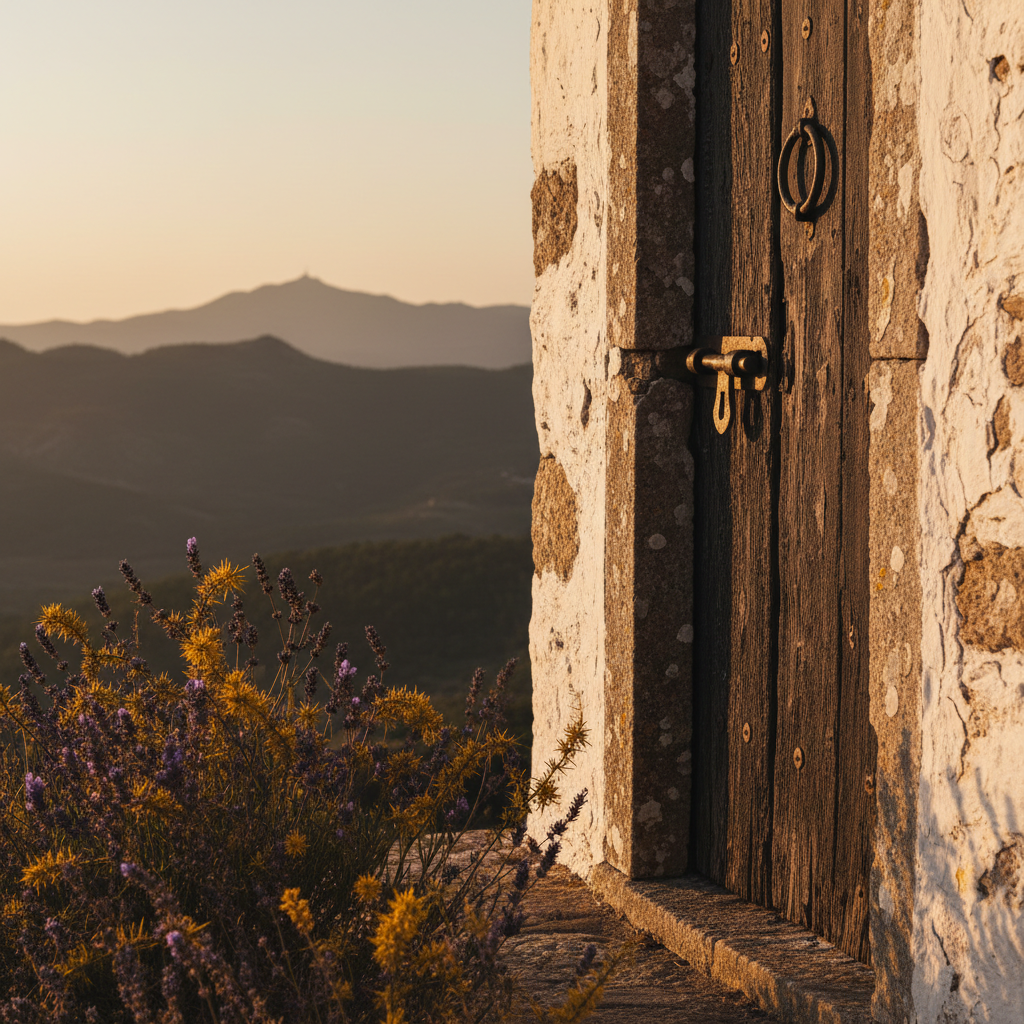
Explore the dramatic heights of Marvao and the lush heritage of Castelo de Vide in our guide to the Alentejo's most stunning high-altitude bastions.
The Alentejo region, often celebrated for its rolling golden plains and cork oak forests, holds a dramatic secret along its eastern border with Spain. Here, the landscape undergoes a sudden and theatrical transformation. The earth rises to meet the sky in the granite peaks of the Serra de Sao Mamede, providing a pedestal for two of the most evocative fortified settlements in the Iberian Peninsula. Marvao and Castelo de Vide represent a refined chapter of Portuguese history, where the rugged requirements of medieval defense have aged into a display of architectural grace and silent, high-altitude beauty.
For the discerning traveler, these villages offer more than mere sightseeing. They provide an immersion into a slower, more deliberate pace of life, where the air is noticeably cooler and the vistas stretch toward an endless horizon. This is a region for those who appreciate the nuance of history, the quietude of ancient stone, and the privilege of exploring a destination that remains remarkably untouched by the frantic pace of modern tourism.
## The Vertical Majesty of Marvao
Perched at nearly 900 meters above sea level, Marvao is frequently referred to as the Eagle’s Nest. It is a place where the clouds often drift through the narrow streets, and the silence is broken only by the wind whistling against the thick granite fortifications. The village is entirely contained within its medieval walls, creating a sense of total seclusion from the world below.
### The Fortress in the Sky
The primary draw of Marvao is its impeccably preserved castle. Originally established by the Moors in the 9th century and later expanded by Christian kings, the fortress is a masterpiece of military engineering. The granite walls seem to grow directly out of the living rock, making the transition between nature and man-made defense almost seamless.
A walk along the ramparts offers a panoramic view that is arguably the finest in Portugal. To the east, the Spanish plains of Extremadura unfold, while to the west, the jagged peaks of the Serra de Sao Mamede dominate the foreground. The castle cistern, a vaulted underground chamber of impressive proportions, remains a testament to the ingenuity required to sustain life in such an elevated and isolated position.
### The Village Labyrinth
Beyond the castle, the village of Marvao itself is a delight of whitewashed houses, Manueline doorways, and wrought iron balconies. The streets are paved with river stones, polished by centuries of passage. It is a place where every corner reveals a new perspective, whether it is a small chapel tucked into a courtyard or a sudden opening in the walls that reveals the valley floor hundreds of meters below. The sense of history here is not institutional but lived, felt in the thickness of the walls and the enduring stillness of the afternoon air.
## Castelo de Vide: The Sintra of the Alentejo
Only a short drive from the heights of Marvao lies Castelo de Vide, a town that offers a softer, more verdant contrast to its neighbor. Known as the Sintra of the Alentejo due to its lush microclimate and abundant springs, Castelo de Vide is a town defined by the sound of running water and the fragrance of blooming gardens.
### The Jewish Quarter and the Heritage of the Sephardim
One of the most significant aspects of Castelo de Vide is its Jewish Quarter, or Judiaria. This is one of the best-preserved medieval Jewish neighborhoods in Portugal. The narrow, steep streets are lined with houses featuring two doors: one for business and one for the family.
The small synagogue, dating back to the 14th century, serves as a poignant museum dedicated to the Sephardic history of the region. Exploring these alleys is an exercise in quiet reflection, tracing the lives of a community that contributed immensely to the intellectual and commercial fabric of Portugal before the period of the Inquisition. The intricate stonework and the presence of mezuzah slots in the doorframes serve as silent witnesses to a complex and enduring heritage.
### A Landscape of Healing Waters
Castelo de Vide is also famous for its thermal springs. The town is dotted with ornate fountains, such as the Fonte da Vila, where the water is said to have curative properties. The abundance of water creates a landscape that is unexpectedly green for the Alentejo, with gardens and parks that provide a refreshing respite during the warmer months. The climb to the town’s own castle provides yet another spectacular vantage point, looking back toward the high ridge where Marvao stands sentinel.
## The Art of the Journey: Reaching the Borderlands
The journey to Marvao and Castelo de Vide is as much a part of the experience as the destinations themselves. Departing from Lisbon, the landscape transitions from the coastal bustle to the poetic emptiness of the interior. The drive takes you through vast estates of cork and holm oak, past ancient Roman ruins, and eventually into the rising terrain of the Sao Mamede Natural Park.
For those traveling with a dedicated professional driver, this transition is effortless. The winding mountain roads, which can be demanding for those unfamiliar with the terrain, become a scenic gallery viewed from the comfort of a high-end vehicle. This allows travelers to focus entirely on the changing scenery, perhaps stopping to photograph a lonely chapel or a herd of sheep crossing the road, without the concerns of navigation or parking.
## Practical Considerations for the Discerning Traveler
### Timing Your Visit
The high Alentejo experiences distinct seasons. Spring is particularly beautiful, as the wildflowers carpet the slopes of the mountains. Autumn brings a crispness to the air and a golden hue to the light that is perfect for photography. While summer can be warm, the elevation of Marvao and Castelo de Vide ensures they remain cooler than the plains below. Winter offers a different kind of charm, with the possibility of mist and a cozy atmosphere by a fireplace in one of the region’s boutique guesthouses.
### Gastronomy of the High Alentejo
The cuisine in this part of Portugal is robust and deeply rooted in the land. Travelers should look for dishes featuring chestnuts, which are a staple of the Marvao area, as well as high-quality lamb and local cheeses. The wines of the Alentejo are world-renowned, and a glass of a full-bodied red from a nearby estate is the perfect accompaniment to a meal overlooking the ramparts.
### Exploration and Attire
While the atmosphere is one of refined relaxation, the terrain is historic. Sturdy, comfortable footwear is essential for navigating the cobblestone streets and climbing the castle battlements. Even in summer, a light wrap or jacket is recommended for the evenings, as the temperature can drop quickly once the sun sets behind the mountains.
## The Allure of the Alentejo Border
Marvao and Castelo de Vide are not merely stops on a map; they are gateways to an older, more contemplative version of Portugal. They represent a frontier that was once defined by conflict but is now characterized by peace and architectural splendor. To visit these bastions is to step outside the flow of time and appreciate the enduring strength of the Portuguese spirit.
Whether you are drawn by the military history of the fortifications, the cultural depth of the Jewish Quarter, or simply the desire for a breathtaking view, these high-altitude gems offer a profound sense of place. They are destinations that reward the curious, the patient, and those who seek the extraordinary in the quiet corners of the world.
To experience these historic heights with the highest level of comfort and local expertise, consider the benefits of a private excursion. Traveling in a premium Mercedes-Benz vehicle with a professional English-speaking driver ensures that your focus remains on the beauty and history of the region, while every logistical detail is managed with precision.
Speak with our team and discover how to turn this experience into reality, ensuring your journey through the Alentejo is as seamless as it is memorable. Request your personalized proposal today and begin your ascent to the Eagle’s Nest.