The Crown’s Refuge: A Private Connoisseur’s Guide to the Royal Palaces and Exiled Estates of Cascais and Monte Estoril
By Portugal Magik · Published 2026-09-17
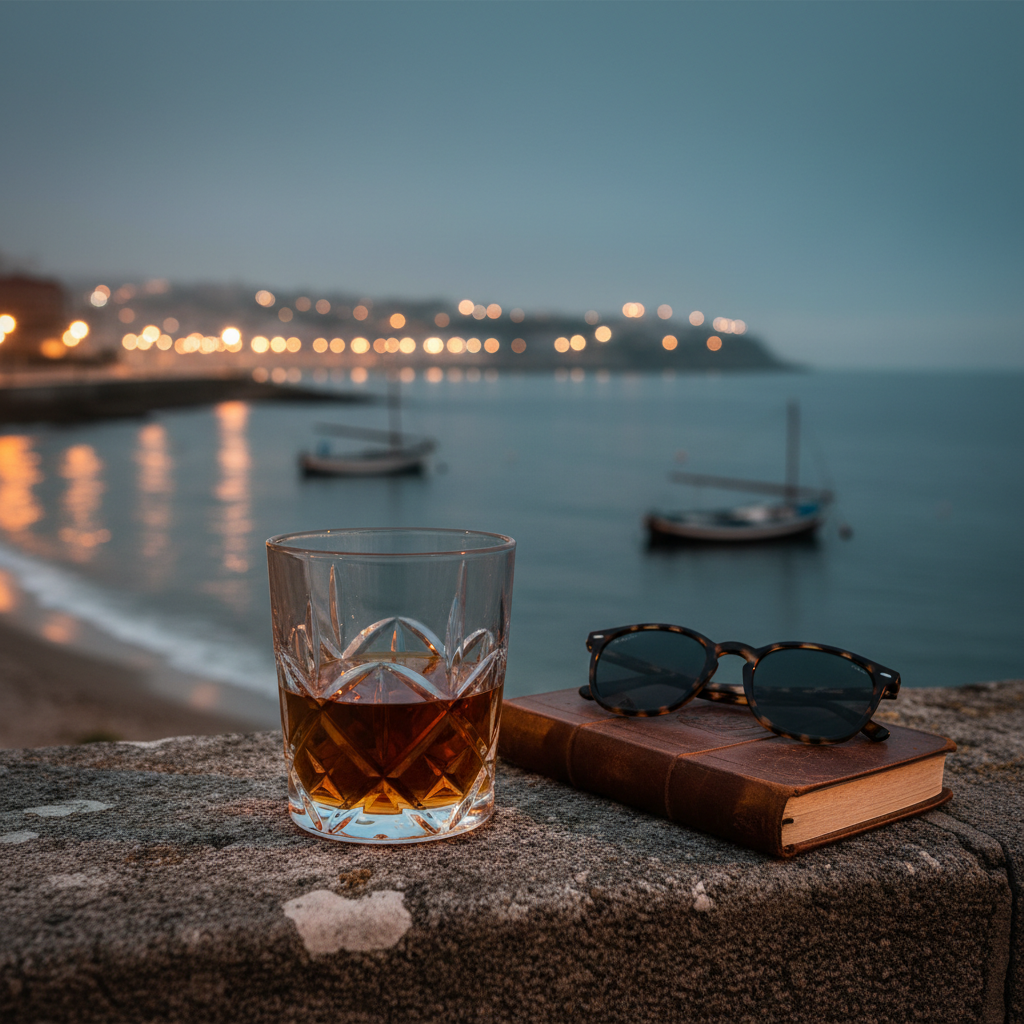
Explore the regal history and sophisticated estates of Cascais and Monte Estoril, the legendary sanctuary for European royalty and high-profile exiles.
The Atlantic coastline of Portugal, specifically the stretch between the elegant town of Cascais and the refined hills of Monte Estoril, holds a narrative unlike any other in Europe. For decades, this region earned the moniker of the Coast of Kings. During the mid-twentieth century, while the rest of the continent was embroiled in political upheaval, this sun-drenched sanctuary became the preferred residence for displaced royalty, deposed monarchs, and high-profile exiles.
Today, the air in Cascais still carries that distinct sense of regal poise. The architecture is a tapestry of summer palaces, grand chalets, and understated estates that whisper stories of international intrigue and aristocratic leisure. For the discerning traveler, exploring this region is not merely a sightseeing exercise. It is an immersion into a sophisticated past where the line between a holiday retreat and a sovereign court often blurred.
## The Royal Transformation of a Fishing Village
The story of Cascais as a high-end destination began in 1870, when King Dom Luis I decided to convert the Citadel of Cascais into his official summer residence. Before this royal endorsement, Cascais was a modest fishing village. However, the King’s presence transformed it almost overnight into the most coveted address in the country.
Following the monarch, the Portuguese nobility began commissioning spectacular villas, or *chalets*, along the coast. These buildings, many of which remain in pristine condition, showcase a variety of architectural styles ranging from Neo-Gothic to Romanticism. Walking through the center of town, one can still admire the Palácio Seixas, which sits directly on the water, or the Casa de Santa Maria, a stunning example of Mediterranean influence with its iconic blue and white tiles.
### The Citadel of Cascais and the Palace of the Presidency
The Citadel remains the anchor of the town’s royal heritage. This fortification, which once defended the mouth of the Tagus River, now houses a magnificent Pousada and the Palace of the Presidency. While the palace serves as the summer residence for the President of Portugal, parts of the grounds are often accessible to those who appreciate military architecture merged with royal comfort. The interior reflects the sobriety and elegance expected of a head of state, maintaining a link between the monarchical past and the republican present.
## Monte Estoril: The Sanctuary of Exiled Sovereigns
As one moves slightly east from the heart of Cascais toward Monte Estoril, the atmosphere shifts. This area became particularly famous during and after World War II. Portugal’s neutrality made it a safe haven, and the Palácio Hotel in Estoril became a focal point for European royalty who had lost their thrones.
Among the most notable residents was King Umberto II of Italy, the last King of the Italians, who lived in Cascais for nearly four decades. His residence, the Villa d’Este, stands as a testament to the understated elegance of the exiled elite. Similarly, the Count of Barcelona, father of King Juan Carlos I of Spain, spent his years of exile here, making the region a de facto Spanish court in waiting.
### The Palácio Estoril: A Hub of Diplomacy and Espionage
The Palácio Estoril Hotel is a legendary landmark that deserves a stop for any connoisseur of history. It was here that royalty rubbed shoulders with British and German spies. It is widely known that Ian Fleming, the creator of James Bond, frequented the bar at the Palácio, drawing inspiration for his first novel, Casino Royale, from the atmosphere of intrigue that permeated the lobby. The hotel’s "Royal Gallery" displays photographs of the many monarchs who called this place home, offering a visual timeline of twentieth-century European history.
## Architectural Marvels: The Estates of the Connoisseur
The region is dotted with estates that were designed to impress. These are not merely houses but statements of cultural wealth.
### Castro Guimarães Museum
Located within the Marechal Carmona Park, the Count of Castro Guimarães’ former residence is a masterpiece of eclectic architecture. With its stone tower rising from the tide, the building houses an impressive collection of rare books, Indo-Portuguese furniture, and pre-twentieth-century art. The library, in particular, is a sanctuary for bibliophiles, containing a 16th-century chronicle that is one of the most important illuminated manuscripts in Portugal.
### Casa das Histórias Paula Rego
While the region celebrates its royal past, it also embraces contemporary sophistication. The Casa das Histórias, designed by Pritzker Prize-winning architect Eduardo Souto de Moura, is a modern palace of art. Its twin red chimneys are a contemporary nod to the traditional architecture of the region, housing the works of the late Dame Paula Rego. It represents the ongoing evolution of Cascais as a center for high-end cultural experiences.
## The Coastal Drive: A Visual Symphony
To truly appreciate the scale of these estates, one must experience the drive along the Avenida Marginal, the road that connects Lisbon to Cascais. However, for a more secluded perspective, the route toward Guincho Beach offers a stark contrast. Here, the manicured gardens of the palaces give way to the wild, rugged beauty of the Atlantic.
Along this road, you will pass the Boca do Inferno (Hell’s Mouth), a dramatic cliff formation where the ocean crashes into a sea cave. This spot was a favorite of the occultist Aleister Crowley and remains one of the most photographed natural landmarks in the area. The juxtaposition of the refined town and the raw power of the ocean is what gives Cascais its unique character.
## Practical Information for the Discerning Traveler
Navigating the nuances of Cascais and Monte Estoril requires a pace that matches the environment. This is a region to be savored, not rushed.
* **Timing:** The best time to visit is during the spring or early autumn. The weather is mild, the light is perfect for photography, and the summer crowds have dispersed, leaving the streets to those who truly appreciate the town’s quiet dignity. * **Accessibility:** Most of the historical palaces and museums are located within a short distance of each other. However, many of the most interesting exiled estates are tucked away in private residential areas of Monte Estoril and along the coast towards Guincho. * **Dining:** The region is famous for its fresh seafood, particularly the local sole and sea bass. Many high-end restaurants are situated right on the water, offering views that have remained unchanged for a century.
## An Elevated Journey with Portugal Magik
Exploring the royal legacy of Cascais and Monte Estoril is an experience that is greatly enhanced by the comfort of a private vehicle and the knowledge of a professional driver. At Portugal Magik, we have spent fourteen years perfecting the art of the private tour, catering to international travelers who value discretion, punctuality, and deep local insight.
Our fleet of Mercedes-Benz E-Class, V-Class, and Sprinter vehicles ensures that your journey along the Coast of Kings is as refined as the destination itself. Whether you wish to focus on the history of the exiled monarchs or simply want to enjoy the architectural beauty of the coastal estates, our English-speaking drivers provide a seamless, door-to-door experience. We provide the transport and the logistical expertise, allowing you the flexibility to explore each palace or museum at your own leisure.
The history of Cascais is a story of elegance under pressure and the enduring allure of the Atlantic. It is a place where every street corner has a story to tell, and every estate holds a secret of the past.
Request your personalized proposal today and discover how we can facilitate your discovery of this extraordinary coastline.