The Cork and the Crown: A Private Connoisseur’s Guide to the Noble Estates and Ancient Heritage of the Alentejo Montado
By Portugal Magik · Published 2026-07-31
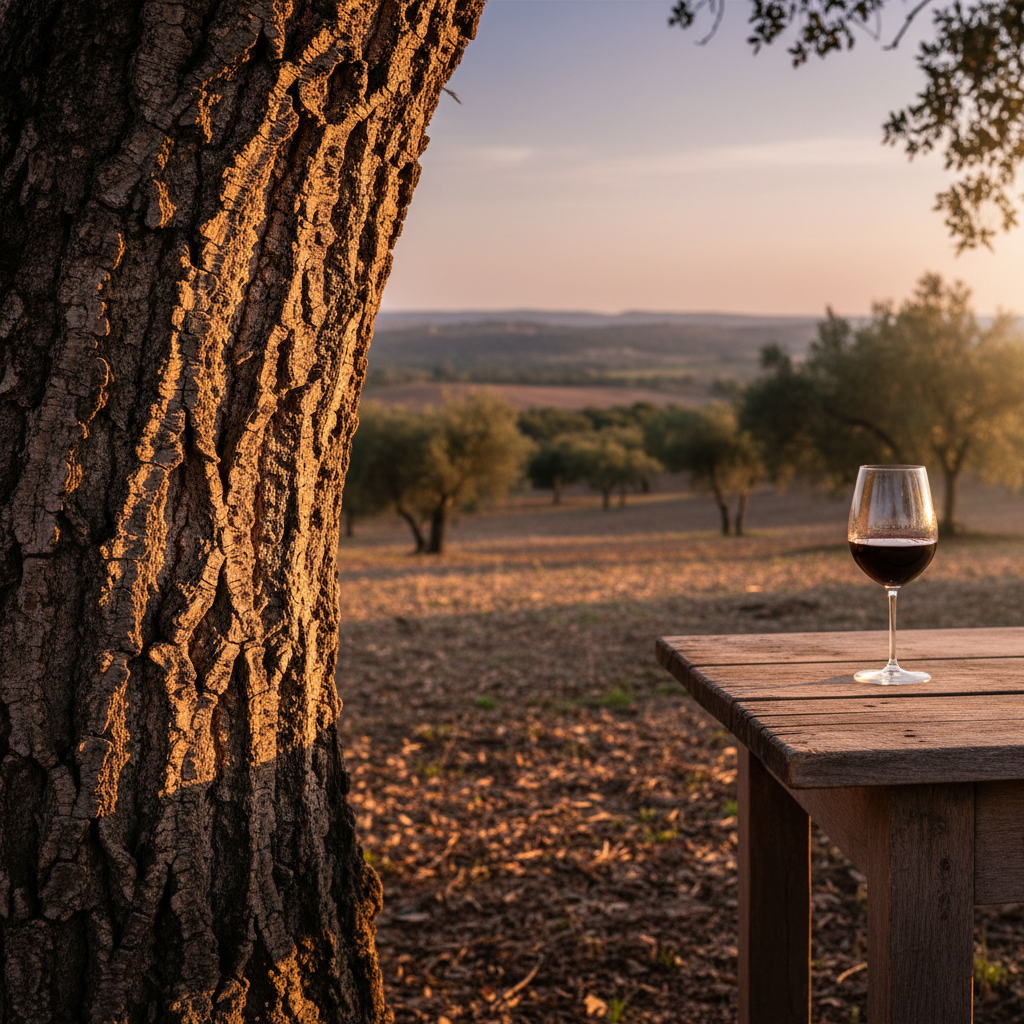
Explore the Alentejo Montado, a landscape of noble estates, ancient cork forests, and high-end vineyards. Discover the refined heritage of Portugal's golden heartland in total comfort.
To enter the Alentejo is to step into a landscape where time flows according to the rhythm of the seasons and the slow growth of the cork oak. This is Portugal’s golden heartland, a vast expanse of rolling plains, whitewashed villages, and ancient megaliths. At the center of this cultural and environmental identity lies the *Montado*, a unique agro-silvo-pastoral ecosystem that has sustained the region for centuries.
For the discerning traveler, the Alentejo represents an escape from the hurried pace of modern life. It is a place of understated elegance, where high-end estates offer a glimpse into a noble past and the art of living well. From the sun-drenched vineyards of Évora to the shade of the ancient cork forests, the Alentejo invites a deeper level of exploration, far beyond the typical tourist trails.
## The Architecture of Nature: Understanding the Montado
The *Montado* is more than just a forest; it is a carefully curated landscape. This ecosystem, primarily composed of cork oaks (*Quercus suber*) and holm oaks, is the result of centuries of harmonious interaction between man and nature. The Alentejo is responsible for more than half of the world’s cork production, and the sight of these noble trees, their trunks stripped of bark to reveal a deep sienna hue, is an iconic image of the region.
The lifecycle of a cork tree is a lesson in patience. A tree must be twenty-five years old before its first harvest, and even then, the initial cork is not of high enough quality for wine stoppers. It takes another eighteen years, across two more harvests, before the tree produces the premium cork required by the world’s finest vintners. This dedication to quality and longevity mirror the Alentejo way of life, where nothing of true value is ever rushed.
## Évora: The Regal Gateway to the Interior
No journey through the Alentejo is complete without a significant stay in Évora. As a UNESCO World Heritage site, the city serves as a living museum of Portugal’s history. From the well-preserved Roman Temple of Diana to the imposing Gothic Cathedral, Évora tells a story of Roman occupation, Moorish influence, and Portuguese royalty.
Walking through the narrow, winding streets of the Jewish Quarter or resting in the shade of the Praça do Giraldo, one feels the weight of history. The city was a favorite residence of Portuguese kings, and that regal legacy remains in the form of refined manor houses and elegant public squares. For those seeking a deeper connection to the land, the surrounding countryside is dotted with prehistoric dolmens and menhirs, some of the oldest megalithic structures in Western Europe, standing as silent sentinels over the *Montado*.
## The Estates of Distinction: A Legacy of Land and Lineage
The Alentejo is defined by its *herdades*, or large agricultural estates. These are not merely farms; they are the ancestral seats of families who have stewarded the land for generations. Many of these estates have evolved into sophisticated retreats, offering world-class hospitality while maintaining their agricultural heritage.
### The Art of the Vine
The region’s soil and climate produce some of Portugal’s most prestigious wines. The Alentejo wine route allows travelers to visit estates where ancient techniques, such as fermenting wine in large clay *talhas* (amphorae), meet modern viticulture. The red wines here are known for being full-bodied and rich, while the whites offer a surprising freshness that reflects the complexity of the terroir. Tasting these wines in the very cellars where they are aged provides an intimate link between the glass and the ground.
### The Gold of the Alentejo
Olive oil is the other great treasure of the region. The Alentejo produces high-end, extra-virgin oils that are celebrated by chefs globally. Visiting a traditional olive grove during the harvest season reveals the meticulous care taken to ensure the fruit is pressed at the peak of perfection. The resulting oil, often described as "liquid gold," is a staple of the refined Alentejo table.
## The Serenity of the Alentejo Coast
While the interior is characterized by its plains and forests, the Alentejo coast offers a different kind of beauty. This is one of the last preserved coastlines in Europe, where dramatic cliffs meet pristine beaches. Towns like Comporta and Vila Nova de Milfontes have become havens for those seeking a discreet, high-end seaside experience.
The coastal *Montado* here blends into dunes and pine forests, creating a landscape that feels wild and untamed yet profoundly peaceful. It is the ideal place to witness the sun setting over the Atlantic, perhaps after a day spent exploring the hidden coves and fishing villages that dot the shore.
## Practical Information for the Discerning Traveler
Visiting the Alentejo requires a thoughtful approach to logistics, as the region’s greatest treasures are often tucked away at the end of long, tree-lined driveways or hidden within fortified hilltop villages.
* **When to Visit:** The Alentejo is beautiful year-round, but spring (April to June) and autumn (September to October) offer the most pleasant temperatures. The spring brings a carpet of wildflowers to the *Montado*, while autumn is the season of the grape and olive harvest. * **Dining:** The Alentejo is a culinary powerhouse. Seek out local specialties such as *porco preto* (Iberian black pig), which grazes on acorns in the cork forests, and fresh seafood along the coast. The region is also famous for its sophisticated conventual sweets, a legacy of the many monasteries that once flourished here. * **Attire:** Even at high-end estates, the Alentejo style is one of understated elegance. Think breathable linens, comfortable yet polished footwear for walking on cobblestones, and layers for the cooler evening breezes.
## Moving Through the Landscape
To truly appreciate the Alentejo, one must embrace the journey as much as the destination. The distances between the noble estates, the historic centers, and the coastal retreats are best traversed with the comfort and flexibility of a private vehicle. This allows for spontaneous stops at a roadside artisan workshop or a detour to a scenic lookout that isn't found in any guidebook.
Having a dedicated driver who understands the nuances of the region ensures that you can focus entirely on the scenery and the stories of the land. Whether you are navigating the narrow streets of Monsaraz or winding through the cork forests near Estremoz, the experience is elevated when every detail of the transit is handled with professional care.
## Conclusion: A Realm of Quiet Majesty
The Alentejo does not shout its beauty; it whispers it through the rustle of cork leaves, the chime of sheep bells, and the clinking of crystal glasses on a sun-drenched terrace. It is a region for those who appreciate the finer details of craftsmanship, the depth of history, and the restorative power of a wide-open horizon.
By exploring the noble estates and the ancient heritage of the *Montado*, travelers gain more than just photographs; they gain a sense of belonging to a land that has remained true to itself for centuries. It is an experience of authenticity, refined and presented with the quiet pride that defines the Alentejo.
To experience this region in its fullest glory, consider the benefits of a private journey tailored to your specific interests. With over 14 years of expertise in curating premium experiences across Portugal, our team provides the ultimate way to discover the Alentejo. Travel in the comfort of a high-end Mercedes-Benz fleet, accompanied by a professional English-speaking driver who serves as your personal navigator through this noble landscape.
Speak with our team and discover how to turn this experience into reality. Request your personalized proposal today.