The Conventual Kitchen: A Private Journey into Portugal’s Sacred Sweets and Secret Cloisters
By Portugal Magik · Published 2026-03-30
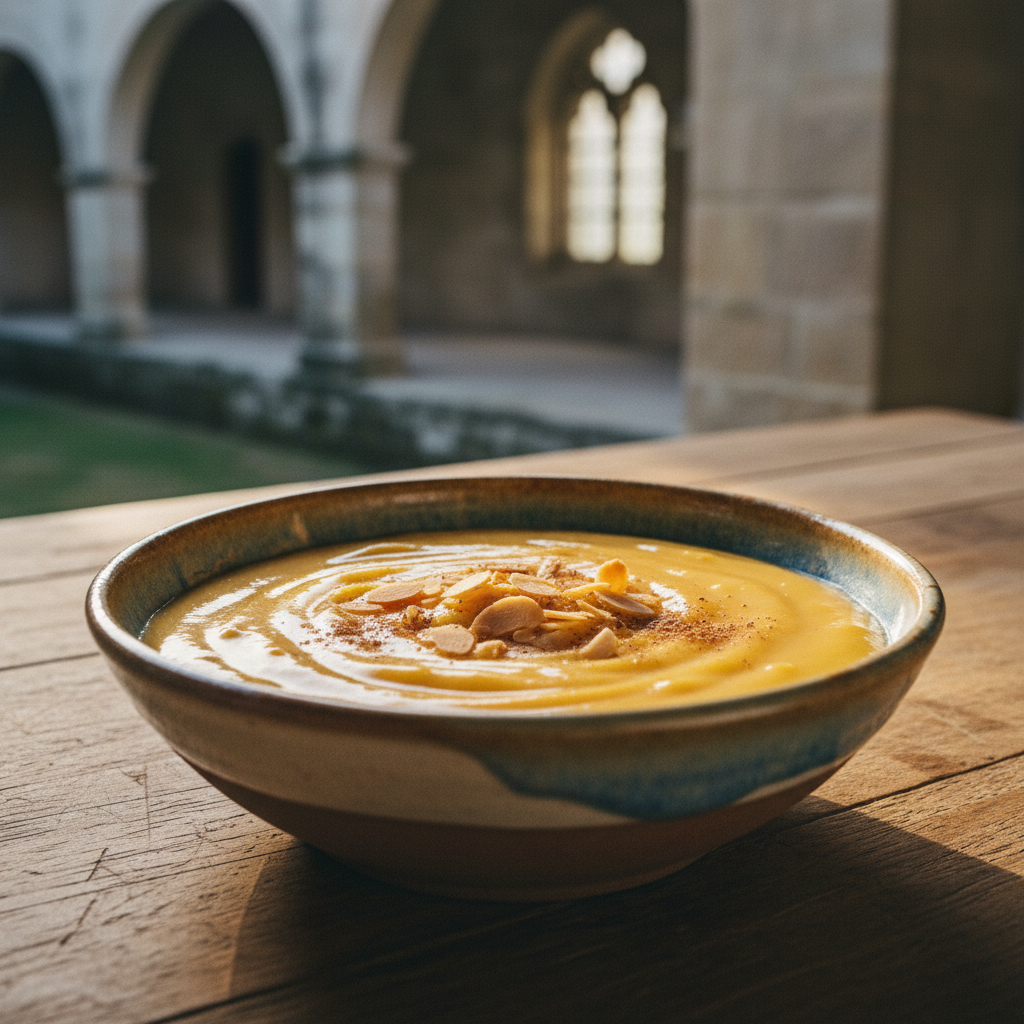
Discover the hidden history of Portugal’s 'Doces Conventuais' on a private journey through ancient cloisters and elite pastry ateliers.
In the sun-drenched silence of Portugal’s ancient cloisters, a sophisticated alchemy was perfected over centuries. Beyond the rhythmic chants and the tolling of vesper bells, the kitchens of Portugal’s convents and monasteries became the unlikely birthplaces of a world-class pastry tradition. These "Doces Conventuais" (Conventual Sweets) are more than mere desserts; they are edible artifacts of history, crafted with meticulous care and secret techniques passed down through generations of religious life.
For the discerning traveler, exploring the heritage of the conventual kitchen is an invitation to traverse the very soul of the Portuguese identity. It is a journey that leads from the golden altars of Lisbon to the majestic stone arches of Alcobaça, revealing a story of opulence, ingenuity, and devotion.
## The Alchemical Marriage: Sugar and the Golden Egg
The story of the conventual kitchen begins with two seemingly simple ingredients: eggs and sugar. Historically, the abundance of egg yolks in religious houses was a byproduct of practical necessity. Egg whites were used in vast quantities to starch the habits of nuns and friars, and as a clarifying agent in the production of fine wines.
Not wishing to waste the golden yolks, the religious orders turned to the refinement of sugar, a commodity that arrived in abundance from the Portuguese colonies in Madeira and Brazil. By combining these yolks with refined sugar syrups, often flavored with cinnamon, almonds, or citrus, the nuns created a repertoire of sweets that are as visually stunning as they are rich in flavor. For over five hundred years, these recipes were kept under lock and key, known only to those within the convent walls until the dissolution of religious orders in 1834 forced the monks and nuns to sell their secrets to the public to survive.
## The Pillars of the Sacred Table: Essential Destinations
A journey through the heritage of Portuguese pastry requires a curated itinerary that visits the sites where these traditions were born and where they are still practiced with uncompromising standards.
### The Mosteiro de Santa Maria de Alcobaça One cannot speak of the sacred kitchen without acknowledging the Cistercian influence at Alcobaça. This UNESCO World Heritage site is a masterpiece of Gothic architecture, but its heart beats in the monumental kitchen, where a diverted branch of the River Alcoa once flowed through the room to provide fresh fish and water. It was here that the *Pão de Ló de Alfeizerão* and the *Cornucópias* were perfected. Today, the town remains the epicenter of conventual pastry, hosting an annual international festival dedicated to these delicacies.
### Lisbon and the Legend of Belém In the capital, the Jerónimos Monastery stands as a testament to the Age of Discovery. While the *Pastel de Belém* is perhaps the most globally recognized conventual sweet, its true essence is found in its preparation, a secret recipe originally created by the monks at the monastery. To experience this properly, one bypasses the crowds to appreciate the heritage behind the puff pastry and the creamy, scorched custard that has remained unchanged since 1837.
### The Aristocratic Flavors of Évora In the Alentejo region, the city of Évora offers a more rustic yet equally sophisticated interpretation of these sweets. The *Pão de Rala* (a rich almond and pumpkin sweet) and the *Trouxas de Ovos* are staples here. These treats reflect the slower pace of the Alentejo, emphasizing the high-end quality of local Marcona almonds and the farm-fresh eggs of the rolling plains.
## A Private Masterclass in Heritage
For those who wish to go beyond tasting, a private journey into the conventual kitchen includes exclusive access to contemporary artisans who maintain these ancient traditions. Imagine a morning spent in a private atelier in Sintra or Azeitão, guided by a master pastry chef who explains the delicate art of "ponto de fio" (the thread stage of sugar syrup) or the meticulous folding of parchment-thin pastry layers.
These experiences are not designed for the casual observer but for the dedicated enthusiast seeking a deep connection with Portuguese culture. It is an opportunity to understand how a simple mixture of yolks and sugar can be transformed into the "Wires of Eggs" (*Fios de Ovos*) or the "Belly of a Nun" (*Barriga de Freira*), names that evoke the wit and humanity of the cloistered life.
## The Art of the Pairing: Beyond the Pastry
The experience of the conventual kitchen is elevated through the pairing of these rich sweets with Portugal’s finest fortified wines. A dense, almond-based cake from a northern convent finds its perfect partner in a twenty-year-old Tawny Port, whose nutty notes mirror the ingredients of the dessert. Meanwhile, a delicate *Abade de Priscos* pudding, famed for its inclusion of infinitesimal amounts of Iberian pork fat for texture, is best balanced by the high acidity of a Carcavelos wine or a late-harvest Setúbal Moscatel.
Selecting the right vintage to accompany these historical flavors is a sensory exercise that requires professional guidance, ensuring that each note of spice and sugar is complemented rather than overwhelmed.
## Navigating the Sacred Path with Ease
Exploring these hidden gems, often tucked away in rural villages or behind the heavy wooden doors of ancient cities, requires a seamless approach to travel. The winding roads of the Douro Valley or the narrow cobbles of Évora are best navigated in the comfort of a high-end vehicle, where the transition between destinations is as refined as the locations themselves.
Traveling with a professional who understands the nuances of Portuguese history allows you to bypass the superficial and delve into the authentic. It is about knowing which bakery in Coimbra still uses the original 16th-century proportions for *Pastéis de Santa Clara*, or which hidden convent in Portalegre still allows for private viewings of its gilded chapel before a tasting of its famed *Doces de Amêndoa*.
## Practical Information for the Discerning Traveler
* **Best Time to Visit:** While available year-round, the autumn and spring months offer a temperate climate ideal for exploring monasteries and enjoying the richness of these sweets. * **The Silk Route of Sweets:** Major hubs for conventual pastry include Alcobaça, Coimbra, Évora, Portalegre, and Lisbon. * **A Note on Authenticity:** Seek out establishments that hold the "Conventual Heritage" seal, ensuring that the recipes used are those documented in historical archives. * **Attire:** When visiting active religious sites or upscale tasting rooms, elegant, respectful attire is recommended.
## A Legacy Preserved
The conventual kitchen is a testament to the endurance of Portuguese culture. These recipes have survived wars, social upheavals, and the passage of centuries, remaining as a sweet reminder of a time when the kitchen was a place of meditation and mastery. To taste a *Toucinho do Céu* (Bacon from Heaven) is to consume a piece of history, crafted with a level of dedication that is increasingly rare in the modern world.
As you plan your journey through Portugal, consider the stories told through its flavors. Let the scent of roasted almonds and caramelized sugar guide you through cloisters and cathedrals, revealing a side of the country that is both sacred and deeply indulgent.
To experience the true essence of Portugal's heritage, one must travel with those who carry the keys to its most exclusive secrets. Our team, with fourteen years of dedicated service to international travelers, provides the expertise and the premium Mercedes-Benz fleet necessary to ensure your journey is as smooth as it is enlightening.
Speak with our team and discover how to turn this experience into reality.