Choco Frito to Amêijoas à Bulhão Pato: Essential Shellfish and Seafood Dishes to Order in Portugal
By Portugal Magik · Published 2026-11-26
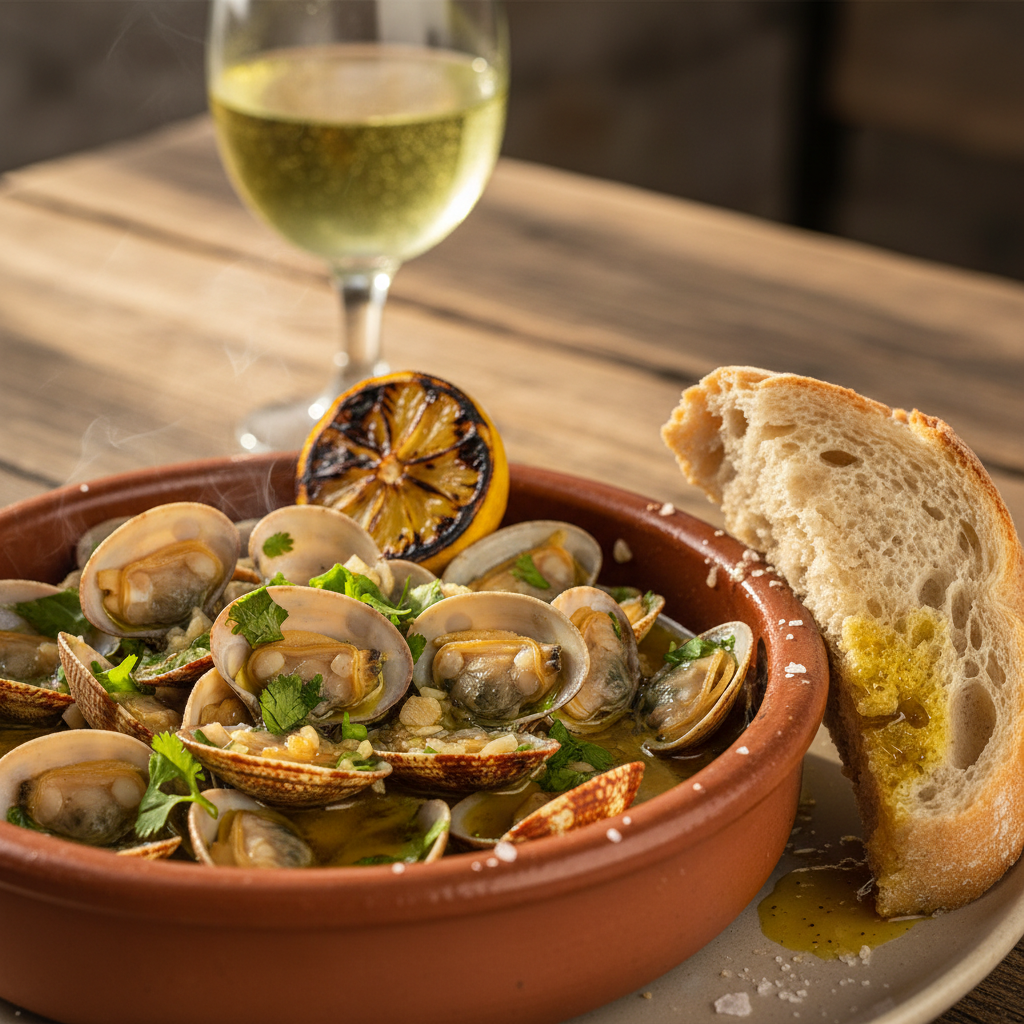
Discover the essential seafood and shellfish dishes of Portugal, from the iconic Amêijoas à Bulhão Pato to the crispy Choco Frito of Setúbal.
Imagine sitting at a white-clothed table under a striped umbrella, the Atlantic breeze carrying a faint scent of salt and pine. Your waiter brings a steaming copper pot to the table, and as he lifts the lid, the aroma of garlic, fresh cilantro, and dry white wine fills the air. This is the ritual of a Portuguese seafood lunch, a slow and sensory experience that defines the country's coastal culture. From the rugged cliffs of the Algarve to the wind-swept shores of Cascais, the ocean is the heart of the national kitchen.
Portugal has one of the highest rates of fish consumption per capita in the world, and it shows. The quality of the ingredients is so high that chefs often do very little to them, relying on olive oil, sea salt, and a hot grill. Whether you are a fan of tender octopus, crispy fried cuttlefish, or delicate clams, knowing what to look for on the menu is the first step to an unforgettable meal. Here are the essential shellfish and seafood dishes you should look for during your next visit.
## The Starters: Petiscos from the Sea
In Portugal, we do not just eat appetizers; we enjoy *petiscos*. These are small plates meant for sharing, usually accompanied by a glass of chilled Vinho Verde or a cold beer. They represent the social heart of Portuguese dining, where the conversation is as important as the food.
### Amêijoas à Bulhão Pato This is arguably the most famous clam dish in the country, named after a 19th-century poet who was a well-known gourmand. The clams are sautéed in high-quality olive oil with plenty of garlic, fresh cilantro, and a splash of white wine. The real magic, however, is at the bottom of the bowl. You must use chunks of crusty bread to soak up the leftover sauce, which is a rich, salty emulsion of seafood juices and lemon.
### Choco Frito Originally from the port city of Setúbal, just south of Lisbon, this dish has become a national favorite. Thick strips of cuttlefish are marinated in garlic and lemon, coated in a light batter, and fried until golden and crisp. It has a satisfying, meaty texture that is softer than typical calamari. It is usually served with a wedge of lemon and a side of potato chips or a simple salad, making it a perfect casual lunch by the water.
### Salada de Polvo Octopus salad is the ultimate refreshing starter for a warm afternoon. The octopus is tenderized and boiled, then cut into small bite-sized pieces and tossed with finely chopped onions, parsley, and bell peppers. A generous dousing of vinegar and olive oil brings everything together. It is bright, acidic, and incredibly clean on the palate, showcasing the natural sweetness of the Atlantic octopus.
## The Main Event: Iconic Seafood Entrees
When it is time for the main course, Portuguese seafood often takes a more communal turn. Many of the best dishes are served in large pots or pans meant for two or more people, turning a meal into a shared event.
### Arroz de Marisco Unlike a dry Spanish paella, a Portuguese seafood rice is "malandrinho," which means it is served in a rich, soupy broth. The rice continues to absorb the flavors of shrimp, clams, crab, and monkfish as it sits on the table. It is often seasoned with a hint of tomato and piri-piri for a tiny kick of heat. Eating this feels like a warm hug from the ocean, especially when served in a traditional clay pot.
### Cataplana de Marisco The Cataplana is both a dish and a vessel. This clam-shaped copper pot is a symbol of the Algarve region. It works like an early pressure cooker, sealing in all the steam and juices of the fish, prawns, and mussels inside. When the waiter opens the hinges at your table, the release of aromatic steam is a theatrical moment you won't forget. The combination of seafood with onions, peppers, and sometimes a bit of chouriço creates a deep, complex flavor profile.
### Bacalhau à Lagareiro While salted cod (bacalhau) is a category of its own, the "Lagareiro" style is a must for any seafood lover. The fish is roasted with a massive amount of olive oil, garlic, and small "punched" potatoes (batatas a murro). The name comes from the *lagar*, or olive oil press, signifying the importance of the oil in this dish. The cod becomes flaky and silky, swimming in a golden sea of garlic-infused oil that is pure indulgence.
## Rare Delicacies and Seasonal Finds
For the more adventurous diner, the Portuguese coast offers several unique items that look a bit strange but taste like the essence of the sea. These are the prizes of the local fish markets.
### Percebes (Goose Barnacles) These are often called "Lucifer’s Fingers" because of their prehistoric, claw-like appearance. They grow on the jagged rocks of the Atlantic coast, where the waves are most violent, and harvesting them is a dangerous job for local divers. To eat them, you pinch the leathery skin and pull out the tender meat inside. They taste exactly like a fresh ocean wave, salty and intense. No butter or sauce is needed; they are simply boiled in seawater.
### Sapateira Recheada If you see a large brown crab on a menu, it is likely a Sapateira. The highlight of this dish is the "recheio" or stuffing. The crab meat is mixed inside the shell with mustard, egg, beer, and spices to create a creamy, savory dip. It is served with thin slices of toasted buttered bread. It is a messy, hands-on experience that is a staple of Sunday family lunches along the coast.
## Practical Tips for Seafood Lovers
When dining in Portugal, it helps to know a few local secrets. First, always look for the "Peixe do Dia" (Fish of the Day). Most premium marisqueiras (seafood restaurants) will have a display case near the entrance where you can see the morning's catch resting on a bed of ice. You can often point to the specific fish you want and have it weighed.
Second, be aware of the "couvert." When you sit down, the waiter will often bring bread, butter, olives, and perhaps a small shrimp or tuna pâté. These are not free; you will be charged for what you eat. If you do not want them, simply ask the waiter to take them away.
Lastly, timing is everything. Lunch usually starts around 1:00 PM, and dinner rarely begins before 8:00 PM. On weekends, the best seafood spots fill up quickly with locals, so it is always a good idea to arrive early or plan your visit during the week.
## The Best Regions for a Seafood Journey
While you can find great seafood all over the country, three areas stand out for their distinct offerings:
1. **The Lisbon Coast:** In towns like Cascais and Guincho, the focus is on high-end grilled fish and fresh lobster. The proximity to the capital means the quality is exceptionally high. 2. **Setúbal:** This is the kingdom of the Choco Frito and the famous red mullets (Salmonetes). The local market here is one of the best in the world. 3. **The Algarve:** Here, the influence of the Mediterranean meets the Atlantic. Look for the freshest oysters from the Ria Formosa and the iconic Cataplana.
There is a specific joy in discovering a small, tucked-away restaurant where the paper tablecloths are thin, the wine is served in chilled jugs, and the fish was in the ocean just a few hours prior. These are the moments that stay with you long after the flight home.
Whether you are looking for a casual afternoon of peeling prawns by the harbor or a more refined evening exploring the nuances of Portuguese coastal cuisine, the variety of flavors is endless. The commitment to freshness and the simplicity of the preparation ensure that the natural quality of the seafood always takes center stage.
We would love to help you explore these coastal treasures and the beautiful landscapes that surround them. Request your personalized proposal today and let us guide you through the very best of Portugal.