Central Portugal: Where to Go for Beaches, Historic Towns and Roman Ruins
By Portugal Magik · Published 2026-10-08
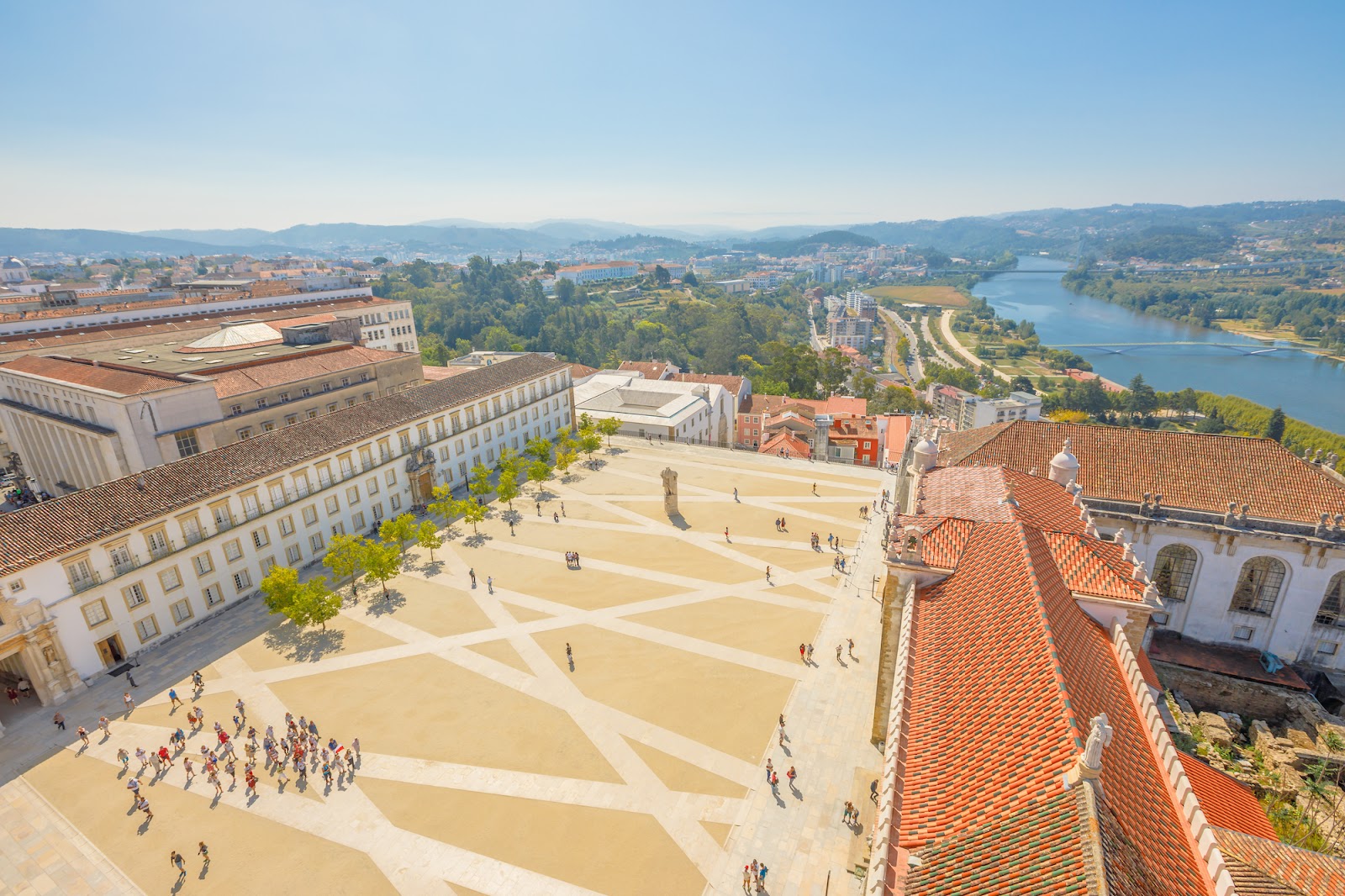
Explore Central Portugal's stunning blend of Atlantic beaches, medieval hilltop towns, and remarkably preserved Roman ruins like Conímbriga.
Central Portugal is often the quiet heart of the country. While many visitors rush between the busy streets of Lisbon and the hills of Porto, the region in between offers a slower, more authentic rhythm. This area, stretching from the Atlantic coast to the Spanish border, holds some of the most significant Roman history, medieval architecture, and pristine coastlines in Southern Europe.
Whether you are interested in the scholarly atmosphere of old university towns, the salted air of fishing villages, or the silent stone ruins of the Roman Empire, Central Portugal provides a diverse landscape that is easy to explore with a dedicated driver.
## The Silver Coast: Wild Beaches and Coastal Charm
The Atlantic coastline of Central Portugal, often called the Silver Coast (Costa de Prata), is known for its dramatic cliffs, wide sandy stretches, and authentic atmosphere. Unlike the more developed southern regions, this coast maintains a rugged beauty.
### Nazaré: Giant Waves and Traditions Nazaré is world-famous for its massive winter waves, but it is a fascinating place to visit year-round. The town is divided into two parts: the beachfront and O Sítio, the high promontory overlooking the ocean. You can watch local women still wearing the traditional seven skirts while drying fish on the sand. The view from the top of the cliff near the Sanctuary of Our Lady of Nazaré is one of the most iconic sights in the country.
### Peniche and Baleal Further south, Peniche sits on a peninsula surrounded by the sea. It is a major fishing port where the smell of grilled sardines fills the air at lunchtime. Nearby, the tiny island of Baleal is connected to the mainland by a thin causeway of sand. It is a popular spot for watching the sunset over the Atlantic.
### Aveiro: The Venice of Portugal Located at the northern edge of the region, Aveiro is famous for its canals and colorful boats called moliceiros. These boats were originally used to harvest seaweed but now take visitors on scenic tours through the city center. Do not leave without trying "ovos moles," a local pastry made of egg yolks and sugar wrapped in a thin wafer.
## Historic Towns: Where Time Stands Still
The interior of Central Portugal is a treasure trove of medieval history. The towns here were often built on high ground for defense, and many still retain their ancient walls and cobblestone streets.
### Coimbra: The City of Knowledge Coimbra was once the capital of Portugal and is home to one of the oldest universities in the world. The University of Coimbra, a UNESCO World Heritage site, sits at the highest point of the city. The Joanina Library, a high-end example of Baroque architecture, is a must-see for its gold-leaf decorations and thousands of ancient books. Walking through the steep, narrow streets of the old town feels like stepping back into the Middle Ages.
### Óbidos: The Wedding City Óbidos is a perfectly preserved medieval village completely encircled by tall stone walls. It was traditionally given as a wedding gift from Portuguese kings to their queens. Today, visitors can walk along the ramparts for a bird's-eye view of the white-washed houses and bougainvillea-lined streets. It is also the home of Ginjinha, a delicious sour cherry liqueur often served in small chocolate cups.
### Tomar: The Legacy of the Knights Templar Tomar is a town deeply connected to the Order of the Knights Templar. The Convent of Christ, another UNESCO site, is a massive complex that served as a fortress and a monastery. Its famous Chapter House window is a masterpiece of Manueline architecture, featuring intricate stone carvings of ropes, corals, and maritime symbols. The town itself is charming, with a peaceful park and a historic center laid out in a grid pattern.
## Roman Ruins: Traces of the Empire
Long before the Portuguese kings, the Romans left a permanent mark on this landscape. Central Portugal contains some of the best-preserved Roman sites in the Iberian Peninsula.
### Conímbriga: A Window into the Past Located just a short drive from Coimbra, Conímbriga is one of the largest Roman settlements excavated in Portugal. Unlike many other sites, the floor mosaics here are remarkably intact. You can walk through the remains of grand villas, public baths, and a sophisticated heating system. The "House of the Fountains" is particularly impressive, with its large gardens and working water features that still follow the original Roman design.
### The Roman Villa of Rabaçal Nearby, the ruins of Rabaçal offer a more intimate look at Roman life. This was likely a large agricultural estate. The mosaics here are distinct, featuring patterns and figures that differ from those in Conímbriga. It is a quiet, evocative site that allows for a peaceful exploration of ancient history.
### The Temple of Diana in Évora While Évora is technically in the Alentejo region, it is often visited as part of a journey through the central and southern plains. The Roman Temple, often called the Temple of Diana, stands in the heart of the city. Its Corinthian columns are a striking reminder of the city's importance during the Roman occupation.
## The Mountains and the Interior
Away from the coast, the landscape rises into the Serra da Estrela, the highest mountain range in Portugal.
### Monsanto: The Most Portuguese Village Monsanto is a unique village where the houses are built directly into the massive granite boulders. It was once voted the "most Portuguese village in Portugal." Walking through its streets is a surreal experience, as giant rocks form the walls and roofs of many homes. The climb to the castle ruins at the top offers views that stretch for miles across the plains.
### Piodão: The Schist Village Hidden in the Serra do Açor, Piodão is famous for its houses built entirely of schist, a dark stone found in the region. The windows and doors are traditionally painted a bright blue, creating a beautiful contrast with the dark stone. It is one of the most remote and scenic villages in the country.
## Planning Your Visit
Central Portugal is best explored at a leisurely pace. Because many of the historic towns and Roman ruins are located in rural areas, public transport can be time-consuming and limited.
### Getting Around The most efficient way to see these sites is by road. The highways are excellent, but the real magic of Central Portugal is found on the smaller backroads that wind through olive groves and vineyards.
### When to Go Spring and autumn are the ideal times to visit. The weather is mild, and the landscapes are either lush and green or golden with the harvest. Summer is perfect for the coast, though the interior can become quite warm.
## Discover Central Portugal with Ease
Exploring the diversity of Central Portugal, from the Atlantic waves to the Roman mosaics, requires a thoughtful itinerary and reliable transportation. Navigating small villages and finding the best viewpoints is much simpler when you have a local expert behind the wheel.
Portugal Magik has 14 years of experience dedicated to discerning international travelers seeking premium experiences. Our fleet of Mercedes-Benz E-Class, V-Class, and Sprinter vehicles ensures that your journey between historic sites is as comfortable as the destinations themselves. With a professional English-speaking driver, you have the flexibility to stop at a hidden bakery in Óbidos or spend extra time admiring the mosaics in Conímbriga without worrying about parking or directions.
Request your personalized proposal today and let us help you uncover the layers of history and beauty in Central Portugal.