Cascais & Estoril: The Portuguese Riviera Explained
By Portugal Magik · Published 2026-05-02
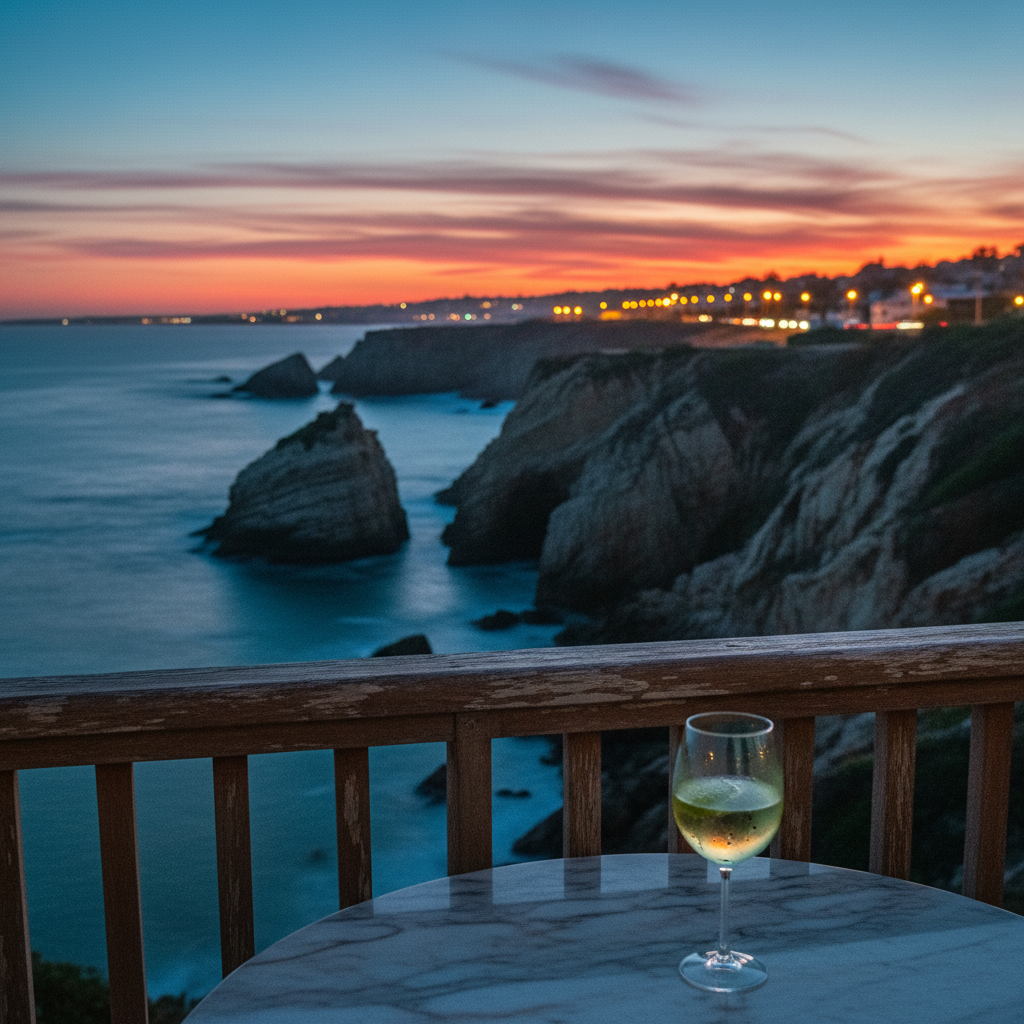
Discover the elegance of Cascais and Estoril, the legendary Portuguese Riviera. Explore royal history, grand estates, and dramatic Atlantic views with our sophisticated guide.
For decades, the stretch of coastline extending west from Lisbon has been celebrated as one of the most sophisticated regions in Southern Europe. Known as the Portuguese Riviera, the neighboring towns of Cascais and Estoril represent a seamless blend of historical grandeur, Atlantic beauty, and a refined lifestyle. This area was once the preferred summer retreat for European royalty and remains a premier destination for travelers who appreciate elegant architecture and a serene coastal atmosphere.
The allure of this region lies in its unique history. During World War II, Portugal’s neutrality turned Estoril into a playground for exiled monarchs, diplomats, and international spies. This period of intrigue and glamour shaped the local culture, leaving behind a legacy of grand villas and a cosmopolitan spirit that endures today.
## The Sophistication of Estoril
Estoril often serves as the gateway to the Riviera. Historically, it is synonymous with international prestige. The town grew in prominence in the early 20th century, anchored by the iconic Casino Estoril. This establishment is not merely a gaming venue but a cultural landmark, surrounded by meticulous gardens that lead down toward the Atlantic. It is widely known among historians and cinema enthusiasts that the atmosphere of mid-century Estoril, particularly at the Hotel Palacio, inspired Ian Fleming to create the character of James Bond.
Walking through the streets of Estoril, one notices the concentration of grand estates. These homes, many of which date back to the 19th and early 20th centuries, reflect various architectural styles, including Neo-Gothic, Mediterranean, and Art Deco. The promenade, which stretches along the shoreline, connects Estoril to Cascais, offering a picturesque route for those who enjoy a leisurely stroll with a constant view of the sea.
## Cascais: From Fishing Village to Royal Retreat
While Estoril represents mid-century glamour, Cascais offers a deeper historical narrative. Originally a humble fishing village, its destiny changed in 1870 when King Dom Luis I chose the Citadel of Cascais as his summer residence. The arrival of the court transformed the village. Artisans, noblemen, and wealthy Lisbon families followed the King, commissioned the construction of summer palaces that still line the coast today.
### The Historic Center and Cidadela The heart of Cascais is a labyrinth of cobbled streets, paved in the traditional Portuguese Calçada style. It is a place of refined commerce, where high-end boutiques sit alongside traditional cafes. The Cidadela (Citadel), a massive fortress complex, now houses an arts district and a boutique hotel, serving as a reminder of the town’s defensive past.
### Architecture and Museums The town is also home to the "Museum Quarter." One of the most striking structures is the Casa das Histórias Paula Rego, a contemporary museum designed by Pritzker Prize winner Eduardo Souto de Moura. Another essential site is the Museu Condes de Castro Guimarães, a palace residing within the Marechal Carmona Park. Its library and eclectic collection of art are housed in a building that looks as though it were pulled from a fairytale, complete with a private cove accessible during high tide.
## The Dramatic Landscapes of Cabo da Roca and Guincho
The Portuguese Riviera is not exclusively defined by manicured gardens and palaces. As one moves further west, the landscape becomes more wild and evocative. Passing the famous "Boca do Inferno" (Hell’s Mouth), where the Atlantic crashes dramatically into a sea cave, the road leads toward Guincho Beach.
Guincho is a vast expanse of golden sand and rugged dunes, framed by the Sintra-Cascais Natural Park. It is world-renowned for its windsurfing and kitesurfing conditions, though many visit simply to enjoy the invigorating sea breeze and the views of the Sintra mountains meeting the ocean.
A short drive further takes guests to Cabo da Roca, the westernmost point of continental Europe. Standing on these cliffs, nearly 150 meters above the sea, offers a profound sense of the maritime history of Portugal. The lighthouse here has guided sailors for centuries, and the panoramic views of the horizon are unparalleled.
## Culinary Excellence and Coastal Dining
The culinary scene in Cascais and Estoril is naturally focused on the sea. The region is home to some of the finest seafood in the country. Local specialties include "Linguado" (sole), "Robalo" (sea bass), and the highly-prized "Percebes" (goose barnacles) harvested from the treacherous cliffs of the Atlantic coast.
While the area offers numerous high-end dining establishments, many visitors find the most joy in the simplicity of a perfectly grilled fish served with local olive oil and a glass of chilled white wine from the nearby Colares region. The atmosphere of these restaurants, often overlooking the water, complements the premium nature of the Riviera experience.
## Navigating the Riviera with Ease
Visiting Cascais and Estoril is about more than just seeing the sights; it is about the tempo of the day. To truly appreciate the nuances of the coast, one must travel with a sense of freedom and flexibility.
### Arrival and Transport Most travelers arrive via Lisbon. While there is a scenic train route that hugs the coast, it does not allow for the exploration of the more remote areas like Guincho or the hidden viewpoints along the cliffs. For those seeking a seamless experience, a private driver provides the ability to move between the historic centers and the natural wonders at your own pace, without the constraints of public schedules or the stress of navigating unfamiliar roads.
### The Ideal Itinerary A well-rounded day in the Riviera might begin with a morning visit to the Estoril Casino gardens, followed by a walk through the historic center of Cascais. After a relaxed lunch by the marina, a drive along the coast to Guincho and Cabo da Roca at sunset provides a spectacular conclusion to the day before returning to the city.
## A Legacy of Excellence with Portugal Magik
For over 14 years, Portugal Magik has been dedicated to discerning international travelers seeking premium experiences. We understand that the beauty of the Portuguese Riviera is best discovered through a lens of comfort and exclusivity. Our team provides private transportation in a modern fleet of Mercedes-Benz vehicles, including E-Class sedans, V-Class minivans, and Sprinter executives, all maintained to the highest standards.
Our drivers are professional, English-speaking experts who act as your local hosts. They provide not just a ride, but a door-to-door service that ensures your journey is as smooth as it is enlightening. Whether you wish to spend more time admiring the architecture of Estoril or want to find the perfect vantage point at Cabo da Roca, we offer the flexibility to tailor the route to your specific interests.
The Portuguese Riviera is a place where history, culture, and nature converge in a sophisticated display of Atlantic elegance. Exploring it should be an experience of absolute ease and refinement.
Request your personalized proposal today and let us help you explore the timeless charm of Cascais and Estoril in total comfort.