The Brine and the Bloom: A Private Connoisseur’s Guide to the Sado Oyster Flavour-Path and Arrábida’s Maritime Terroir
By Portugal Magik · Published 2026-07-12
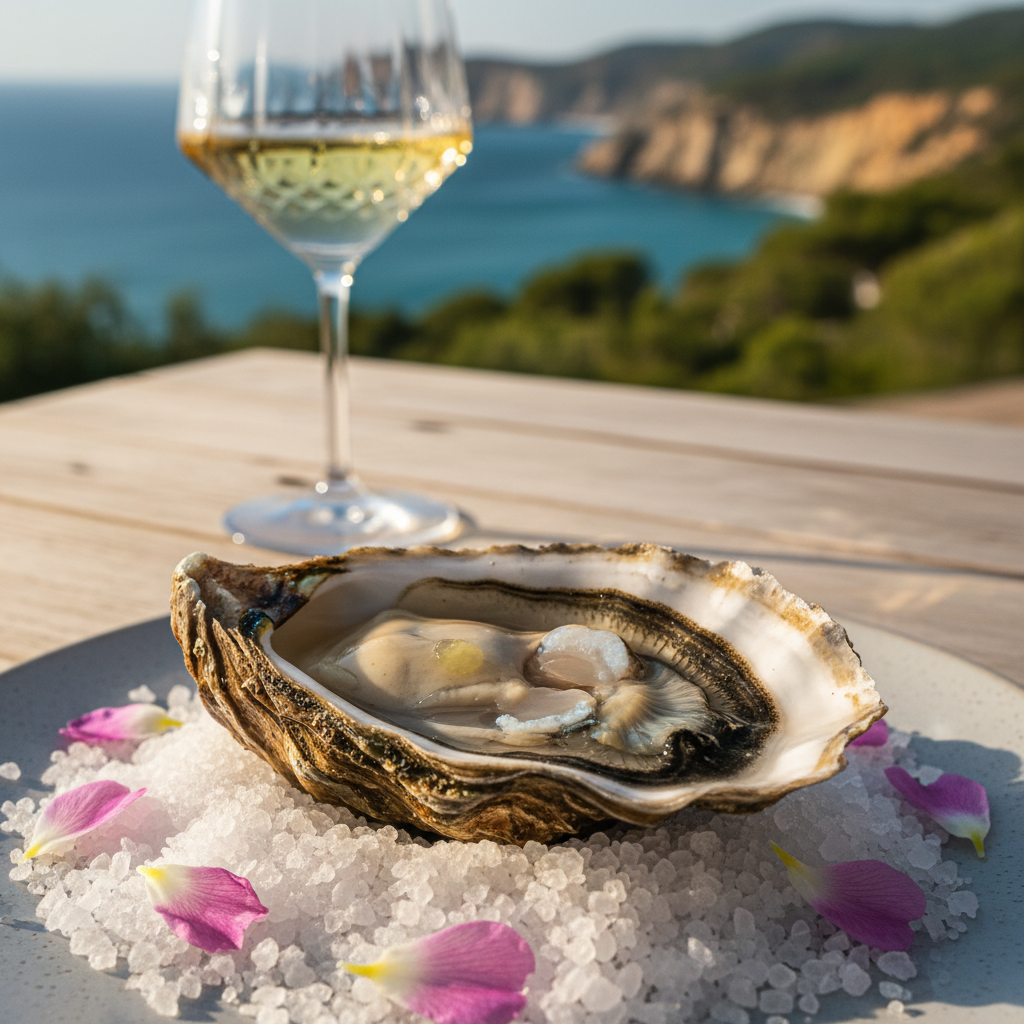
Discover the exquisite maritime terroir of the Setúbal Peninsula, where the legendary Sado Estuary oysters meet the dramatic limestone cliffs of the Arrábida Natural Park.
Where the turquoise waters of the Atlantic Ocean meet the ancient limestone cliffs of the Arrábida Mountain range, a unique microclimate creates one of the most exquisite maritime terroirs in Southern Europe. Located just an hour south of Lisbon, the Setúbal Peninsula offers a sensory journey that defines the essence of Portuguese coastal refinement. This is a region where the salt of the sea and the scent of the wild Mediterranean forest converge, centered around a legendary delicacy: the Sado Estuary oyster.
For the discerning traveler, a day spent exploring this stretch of coastline is not merely a sightseeing excursion. It is an invitation to understand a delicate ecosystem where tides, historical salt pans, and protected natural parks harmonize to produce flavors and vistas found nowhere else on the continent.
## The Resurrection of a Maritime Icon
The Sado oyster, scientifically known as *Crassostrea angulata*, possesses a storied history that dates back centuries. At one point in the mid-twentieth century, these oysters were the gold standard in European gastronomy, frequently exported to the finest tables in France. After a period of decline due to environmental changes, a dedicated community of local producers has successfully revitalized this heritage, restoring the Sado Estuary to its status as a premier oyster-producing region.
What sets the Sado oyster apart is the specific salinity and nutrient density of the estuary. The waters are filtered by the unique sediment of the Sado River, resulting in a bivalve that is remarkably balanced. It offers a profile that is initially briny and bright, followed by a persistent, sweet, and nutty finish. For those who appreciate the nuances of terroir, the *Crassostrea angulata* is as complex as a vintage wine, reflecting the very soul of the Setúbal coast.
## Arrábida: The Limestone Sentinel
Guarding the northern bank of the estuary is the Serra da Arrábida Natural Park. This protected area is a geological and botanical marvel, characterized by white limestone cliffs that plunge dramatically into the azure sea. The contrast between the chalky rock, the deep green of the Mediterranean scrub, and the crystalline water creates a palette reminiscent of the French Riviera, yet with a rugged, authentic soul that is purely Portuguese.
The "Bloom" of the Arrábida terroir refers to the unique flora that populates these hills. Ancient olive trees, wild rosemary, and rare orchids thrive in this specific microclimate, sheltered from the northern winds by the mountain wall. This proximity to the sea infuses the vegetation with a subtle salinity, an element that also translates into the local gastronomy and the celebrated wines of the neighboring Azeitão region.
## Navigating the Flavour-Path: A Curated Journey
A sophisticated exploration of this region typically begins with a descent toward the water’s edge. The journey transitions from the high, panoramic ridges of the mountain down to the gentle ripples of the estuary.
### The Estuary Shores and Oyster Beds
Traveling along the southern bank of the Sado, one finds the quiet village of Carrasqueira, famous for its traditional palafitte pier. This artisanal construction of wood and reeds serves as a gateway to the oyster beds. In several locations along the estuary, small-scale producers offer the chance to taste the day’s harvest in its purest form.
While many international travelers are accustomed to oysters served on silver platters, the authentic Sado experience is often found in understated, waterside establishments. Here, the focus remains entirely on the product. The oysters are opened with precision, reflecting the sunlight, and are traditionally enjoyed with nothing more than a squeeze of local lemon and a glass of chilled white wine from the Setúbal Peninsula.
### The High Ridges of Portinho da Arrábida
Moving from the brine to the bloom, the route winds back through the heart of the Natural Park toward Portinho da Arrábida. This small seaside hamlet is widely considered one of the most beautiful bays in Europe. The water here is so clear that the seabed remains visible at significant depths.
The surrounding cliffs host the Oceanographic Museum, housed in the 17th-century Fort of Santa Maria. This site provides intellectual context to the beauty, explaining the intricate marine life that makes the Sado and Arrábida region an ecological sanctuary. It is a place for quiet reflection, away from the bustling crowds, where the sound of the Atlantic is the only soundtrack.
## The Perfect Pairing: Moscatel and Azeitão
No journey through this maritime terroir would be complete without acknowledging the inland influences of Azeitão. Located at the foot of the mountains, this village is the cradle of the famed Moscatel de Setúbal. This fortified wine, known for its notes of orange peel, honey, and apricot, is the perfect counterpoint to a day spent by the salt water.
The region is also famous for its Azeitão cheese, a small, creamy, and pungent sheep’s milk cheese protected by a Denomination of Origin. Together with the local sourdough breads, these elements provide a grounded, terrestrial balance to the ethereal experience of the Sado oysters.
## Practical Information for the Discerning Traveler
Navigating the Arrábida and Sado region requires a nuanced approach, as many of the most breathtaking viewpoints and authentic oyster tasting spots are tucked away along narrow, winding coastal roads.
### Best Time to Visit The "R months" (September through April) are traditionally the peak season for oysters, though modern aquaculture techniques ensure high quality throughout the year. For the most balanced experience of weather and flavor, the months of May, June, and September offer mild temperatures and vibrant flora.
### Getting There The region is approximately 50 kilometers from Lisbon. While public transport exists, it is insufficient for exploring the hidden corners of the Natural Park or the remote reaches of the estuary. A private vehicle is essential to traverse the various points of interest along the Flavour-Path.
### Dining Etiquette When sampling Sado oysters, it is common to find them served at various stages of growth. Ask for the *angulata* to experience the native taste. In more formal restaurants in Setúbal, you may find them integrated into modern Portuguese cuisine, though enthusiasts usually prefer them raw to appreciate the maritime nuances.
## The Premium Travel Experience with Portugal Magik
To truly absorb the majesty of the Sado and Arrábida landscape, the logistics of travel should be seamless and invisible. Navigating the steep inclines of the Serra da Arrábida or finding the most reputable oyster producers requires local expertise and a comfortable, high-end environment.
Portugal Magik, with over 14 years of experience, is dedicated to discerning international travelers seeking premium experiences. Our private tours through this region are conducted in an exclusive Mercedes-Benz fleet, including E-Class and V-Class vehicles, ensuring that every transition between the brine and the bloom is as refined as the destination itself.
Our professional English-speaking drivers provide much more than transport; they act as your facilitators through the Arrábida landscape. We understand that the modern connoisseur values flexibility and privacy. Whether you wish to linger over a tasting by the estuary or spend an extra hour photographing the wild cliffs of Cape Espichel, the day unfolds at your desired pace.
The Sado Oyster Flavour-Path is a testament to the enduring relationship between the Portuguese people and the sea. It is a journey of discovery that rewards those who seek out the authentic, the sustainable, and the sublime. From the first salt-laden breeze to the final sip of Moscatel, this is a part of Portugal that remains etched in the memory long after the journey ends.
Speak with our team and discover how to turn this experience into reality.