Bragança and Beyond: Where to Go in Northeast Portugal for Castles, Pretty Towns and Local Food
By Portugal Magik · Published 2026-10-17
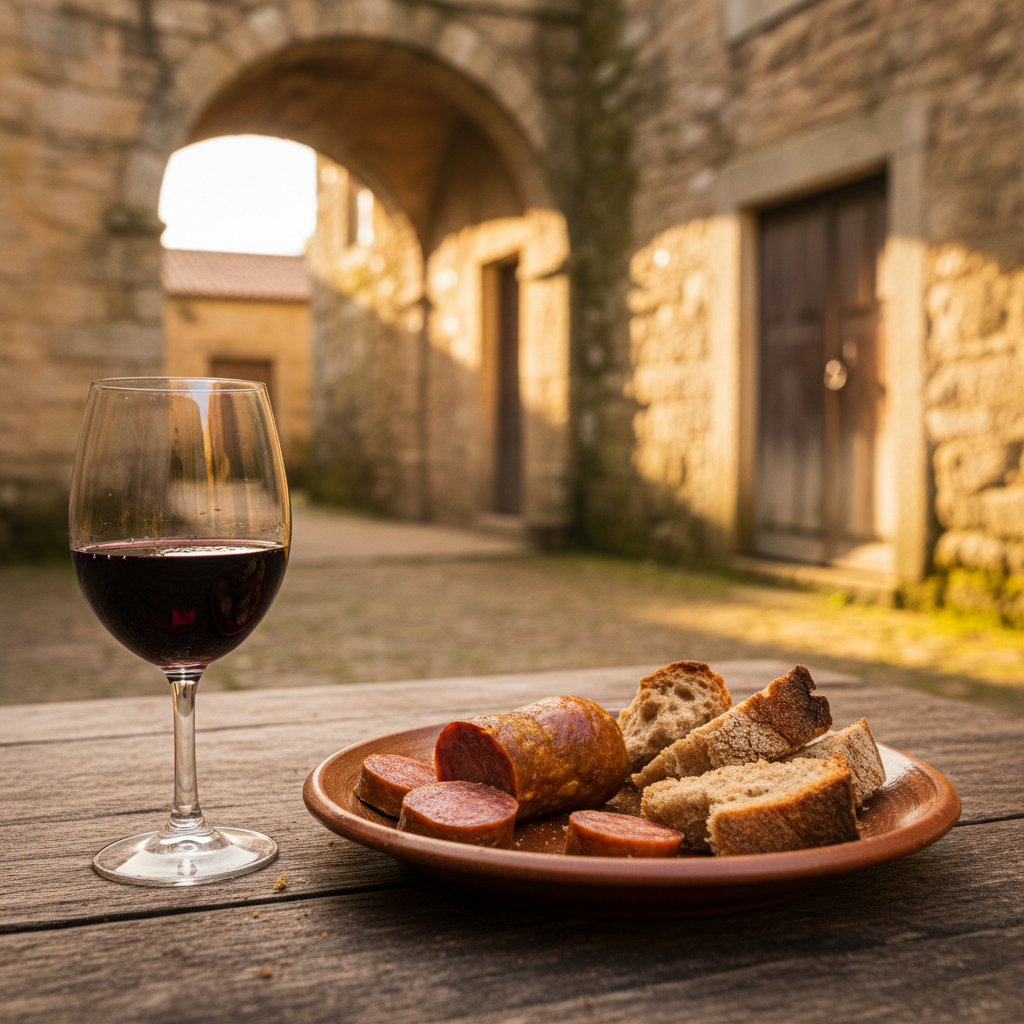
Discover the rugged beauty of Bragança and Northeast Portugal, from medieval castles and stone villages to the unique flavors of Tras-os-Montes.
The northeast corner of Portugal, often referred to as Tras-os-Montes, is a land that feels beautifully frozen in time. While the crowds flock to the coastal beaches or the bustling streets of Lisbon, this rugged region offers something entirely different. It is a place of granite mountains, ancient stone villages, and some of the most impressive medieval fortifications in the country.
Exploring this area requires a bit of an adventurous spirit, but the rewards are immense. You will find a culture rooted in the land, where the pace of life slows down and the hospitality is as hearty as the food. From the high walls of Bragança to the quiet river valleys near the Spanish border, here is a guide to the best of northeast Portugal.
## The Heart of the Northeast: Bragança
Bragança is the functional capital of the region, yet it retains a quiet, scholarly atmosphere. The city is dominated by its Citadel, a walled village within the city that sits high on a hill. Walking through the gates of the Citadel feels like stepping back into the 12th century.
### The Citadel and the Castle of Bragança The Castle of Bragança is one of the best preserved in Portugal. Its keep, known as the Torre de Menagem, is massive and houses a small military museum. Next to the castle, you will find the Domus Municipalis. This unique, pentagonal stone building is the oldest example of civic Romanesque architecture in the country. It likely served as a meeting hall for the city elders.
### The Old Town and Museums Outside the castle walls, the lower town is full of charm. The Graça Morais Contemporary Art Centre, designed by the renowned architect Eduardo Souto de Moura, offers a wonderful contrast to the medieval surroundings. It showcases the work of one of Portugal’s most famous modern painters, who was born in a nearby village.
## The Wild Beauty of Montesinho Natural Park
Just north of Bragança lies the Montesinho Natural Park. This is one of the largest protected areas in Portugal and a haven for wildlife, including the Iberian wolf. The landscape is a mix of deep valleys and high plateaus covered in oak and chestnut trees.
The true highlight of Montesinho is its traditional villages. Villages like Rio de Onor and Guadramil are unique because they were historically "communal" villages. For centuries, the inhabitants shared ovens, bulls for breeding, and even grazing lands. Rio de Onor is particularly interesting because it is split in half by the border with Spain, yet the residents on both sides speak the same dialect and share the same customs.
## The "White City" of Miranda do Douro
Driving southeast toward the Spanish border brings you to Miranda do Douro. Perched on a cliff overlooking the Douro River, this town feels grand and slightly mysterious. It even has its own language, Mirandese, which is officially recognized in Portugal and still taught in local schools.
### The Cathedral and the Old Quarter The Sé Cathedral is a sturdy, imposing building that reflects the town’s historical importance as a defensive outpost. Inside, you can see the famous statue of the "Menino Jesus da Cartolinha" (the Boy Jesus in a Top Hat), an unusual and beloved religious icon dressed in traditional local clothes.
### The Douro International Natural Park Miranda do Douro sits at the start of the Douro International Natural Park. Here, the river has carved deep, vertical canyons into the landscape. Many travelers enjoy taking a boat trip along the river to see the dramatic cliffs and look for rare birds like the Egyptian vulture or the black stork.
## Medieval Charm in Mogadouro and Vimioso
The journey through the northeast continues with stops in smaller, equally fascinating towns.
Vimioso is surrounded by rocky landscapes and is known for its traditional pigeon houses (pombais) scattered across the countryside. These circular stone structures are a staple of the regional landscape.
Mogadouro, located further south, offers the ruins of a Templar castle and a charming historic center. The town serves as a great base for exploring the surrounding almond blossoms if you happen to visit in late winter or early spring.
## The Flavors of Tras-os-Montes
You cannot visit the northeast without talking about the food. This is a region where the diet is governed by the seasons and the mountains.
1. **Posta Mirandesa:** This is perhaps the most famous dish of the region. It is a thick, tender steak of local Mirandesa beef, grilled over charcoal and seasoned simply with sea salt and garlic. 2. **Alheira:** A unique bread-based sausage. Historically created by the Jewish population during the Inquisition to appear as though they were eating pork (though it was originally made with poultry and game), it is now a national delicacy. 3. **Cuscos:** A local version of couscous that has been made in the Bragança region for centuries. It is usually steamed and served with local sausages or honey. 4. **Chestnuts:** The region is the largest producer of chestnuts in Portugal. You will find them in soups, cakes, and even as a side dish for roasted meats. 5. **Regional Cheeses:** Look for Terrincho cheese, a sheep’s milk cheese with a protected status, often rubbed with paprika and olive oil.
## Practical Information for Travelers
### Getting Around The northeast is a remote region. While there are buses between major towns like Bragança and Miranda do Douro, they are infrequent. Public transport does not reach the smaller villages or the heart of the natural parks. The best way to experience the area is by road. The highways connecting Lisbon or Porto to Bragança are excellent, but once you exit the main roads, expect winding, narrow lanes that require careful driving.
### When to Visit Spring and autumn are the most pleasant times to visit. In spring, the wildflowers are in bloom, and the weather is mild. In autumn, the forests turn brilliant shades of gold and orange, and it is the season for the chestnut harvest. Summers can be very hot, and winters are famously cold and often snowy, which has led to the local saying: "Nine months of winter and three of hell."
### Accommodations While you won't find large high-end resorts here, the region excels in "Turismo de Habitação" (historic manor houses) and high-quality rural guesthouses. Staying in a converted stone house in a village like Montesinho or Rio de Onor provides an authentic sense of place that a standard hotel cannot match.
## Why This Region Deserves a Visit
Northeast Portugal is for the traveler who wants to get away from the "postcard" version of Europe. It is a place of silence, vast horizons, and genuine human connection. Whether you are standing on the ramparts of a castle looking out toward Spain or sharing a meal in a small village tavern, the sense of history is palpable.
It is a region that rewards those who take their time. You don't come here to tick off a list of famous monuments; you come here to breathe the mountain air, eat incredible food, and experience a way of life that has remained unchanged for generations.
## Explore Portugal in Comfort
Navigating the winding roads and hidden corners of Bragança and the surrounding villages is much easier when you have a professional at the wheel. Portugal Magik offers a premium way to see the country, providing private transport in a modern Mercedes-Benz fleet.
Instead of worrying about GPS or narrow mountain passes, you can sit back in an E-Class or V-Class vehicle and enjoy the scenery while your English-speaking driver handles the logistics. Our team has 14 years of experience helping travelers discover the authentic heart of Portugal with total flexibility and comfort.
Request your personalized proposal today and discover how we can help you explore the beautiful northeast and beyond.