Beyond Port: Moscatel Galego and the Bread Ovens of Favaios
By Portugal Magik · Published 2026-09-30
Discover Favaios, a hidden gem in the Douro highlands famous for its aromatic Moscatel Galego wine and traditional four-cornered bread baked in ancient stone ovens.
The Douro Valley is frequently defined by the weight of its history and the global prestige of its fortified wines. Yet, for those willing to venture higher, beyond the terraces of Cima Corgo and into the rugged beauty of the Douro Superior, a different narrative unfolds. Here, atop a high plateau surrounded by a ring of mountains, sits the village of Favaios. It is a place where the air feels thinner and the traditions remain remarkably thick.
While the world looks to the river for Port, the discerning traveler looks to the plateau for two specific treasures: the Moscatel Galego Branco and the ancient stone ovens that produce the region's most celebrated bread. This is a journey into the soul of rural Portugal, where the pace of life is dictated by the fermentation of grapes and the rising of dough.
## The Unique Character of Moscatel Galego
Favaios is synonymous with Moscatel, but not the heavy, syrupy versions often found elsewhere. The Moscatel Galego Branco grown here benefits from the unique microclimate of the plateau. At an elevation of approximately 600 meters, the vines are exposed to cooler nights and distinct soil compositions compared to the valley floor.
This altitude preserves the acidity of the grapes, resulting in a fortified wine that is exceptionally aromatic yet remarkably fresh. When walking through the vineyards, the scent of orange blossom and citrus peel is almost palpable. The production process involves a careful fortification with grape brandy, stopping fermentation to retain the natural sugars of the fruit. The result is a golden nectar that serves as the perfect aperitif, often served chilled to highlight its floral complexity.
Many visitors find that exploring the local cooperative or the smaller, family-run quintas in the area provides a deep understanding of why this specific grape has thrived here for centuries. It is a wine that reflects the resilience of the local people and the specific terroir of the Douro highlands.
## The Four Corners of the Favaios Bread
If Moscatel is the spirit of the village, then the *Pão de Favaios* is its heart. This is not merely a side dish; it is a cultural landmark. The bread is easily recognizable by its unique shape: a small, wheat-flour roll with four distinct corners, often referred to as "quatro cantos."
The tradition of bread making in Favaios is a testament to the community's history. Historically, the village was a hub for wheat production, providing a staple food source for the workers laboring in the nearby vineyards. Today, the process remains largely unchanged. The dough is hand-kneaded, left to rise in wooden troughs, and then baked in traditional stone ovens fueled by wood or broom (a local shrub).
### The Ritual of the Stone Ovens
Entering a traditional bakery in Favaios is a sensory experience. The warmth of the stone, the soft dusting of flour on every surface, and the unmistakable aroma of yeast and woodsmoke create an atmosphere of timelessness. The bakers, many of whom have inherited their craft through generations, work with a rhythmic precision that feels more like a ceremony than a chore.
The resulting bread has a thin, golden crust and a soft, airy interior. It is best enjoyed while still warm from the oven, perhaps with a sliver of local sheep's cheese or a drizzle of olive oil from the surrounding groves. For the international traveler, witnessing this process offers a rare glimpse into a pre-industrial culinary world that has vanished from most of Europe.
## Exploring the Village of Favaios
Favaios itself is a charming labyrinth of granite houses and narrow streets. It feels worlds away from the more commercialized hubs of the Douro. A stroll through the village reveals several points of interest that anchor the visitor in local history.
The Bread and Wine Museum (Núcleo Museológico de Favaios) is a sophisticated space housed in a restored traditional building. It offers a curated look at the symbiotic relationship between the two main industries of the plateau. Through interactive exhibits and historical artifacts, guests can trace the evolution of the Moscatel trade and the technical nuances of the local wheat harvest.
Beyond the museum, the village architecture speaks of a prosperous past. The manor houses, or *solares*, with their ornate stone crests, remind us that Favaios was once an influential center for the regional landed gentry. The church of São Domingos, standing proudly in the center, serves as a focal point for the religious festivals that still animate the village calendar.
## The Scenic Ascent to the Plateau
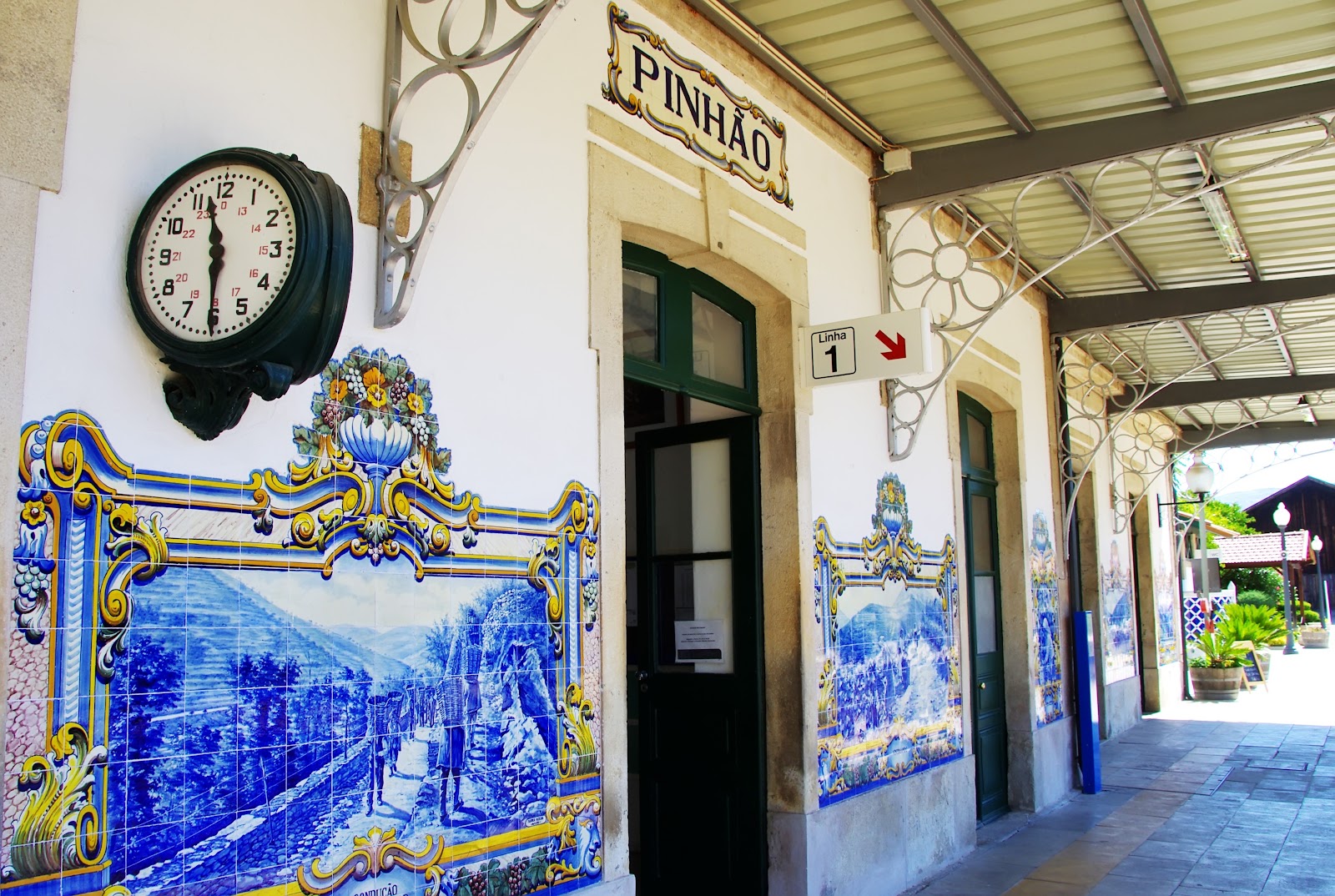
The journey to Favaios is as compelling as the destination itself. Departing from the riverbanks of Pinhão, the road snakes upward through a dramatic transition of landscapes. The tightly packed, schist-terraced vineyards of the Douro gradually give way to broader vistas and granite outcrops.
This drive offers some of the most spectacular viewpoints in Northern Portugal. At certain bends in the road, one can look back and see the Douro River shimmering like a silver thread deep in the canyon, while ahead, the vast, open sky of the plateau beckons. Traveling with a private driver allows guests to fully immerse themselves in this visual feast without the distractions of navigating the steep, winding mountain passes.
## A Cultural Tapestry of the Douro Superior
To visit Favaios is to understand that the Douro is not a monolith. While the river is the artery, the plateaus are the lungs of the region. The culture here is deeply rooted in the land, defined by a stoic elegance and a genuine hospitality that is characteristic of the Trás-os-Montes borderlands.
The local gastronomy extends beyond bread and wine. The region is known for its roasted meats, particularly milk-fed lamb, and its sophisticated use of honey and nuts in desserts. A midday meal in a local eatery often feels like an invitation into a private home, where the quality of the ingredients is matched only by the warmth of the service.
## Planning Your Visit to the Highlands
For those seeking an authentic encounter with Portuguese heritage, a detour to Favaios is essential. The village is best experienced during the late spring, when the wildflowers bloom across the plateau, or during the autumn harvest, when the air is heavy with the scent of fermenting grapes.
It is important to note that while the village is welcoming, the most rewarding experiences are often found in the quiet corners, a small bakery tucked down a side street or a family vineyard that has been in the same name for two hundred years. The lack of large scale tourism infrastructure is precisely what makes Favaios so appealing to the discerning traveler; it remains an honest, working village that happens to produce world-class delicacies.
## Discovering the Douro with Portugal Magik
Navigating the hidden gems of the Douro Valley requires more than just a map; it requires local insight and the comfort of a reliable partner. Portugal Magik has spent over 14 years curating exceptional journeys for international travelers who seek to go beneath the surface of the typical tourist routes.
Our dedicated team provides a seamless experience, utilizing a premium fleet of Mercedes-Benz vehicles, including E-Class sedans and V-Class minivans. With a professional, English-speaking driver-guide at the helm, the logistical complexities of the Douro’s mountain roads disappear. You are free to enjoy the panoramic views, sample the exquisite Moscatel Galego, and savor the warm bread of Favaios at your own pace.
A private tour ensures that your itinerary remains flexible, allowing for spontaneous stops at hidden viewpoints or extended conversations with local artisans. We focus on providing the transport and the expert guidance necessary for you to discover the authentic heart of Portugal in total comfort.
Speak with our team and discover how to turn this experience into reality.