Beyond Bacalhau: 6 Fresh Fish Dishes to Order Along the Coast of Portugal
By Portugal Magik · Published 2026-11-12
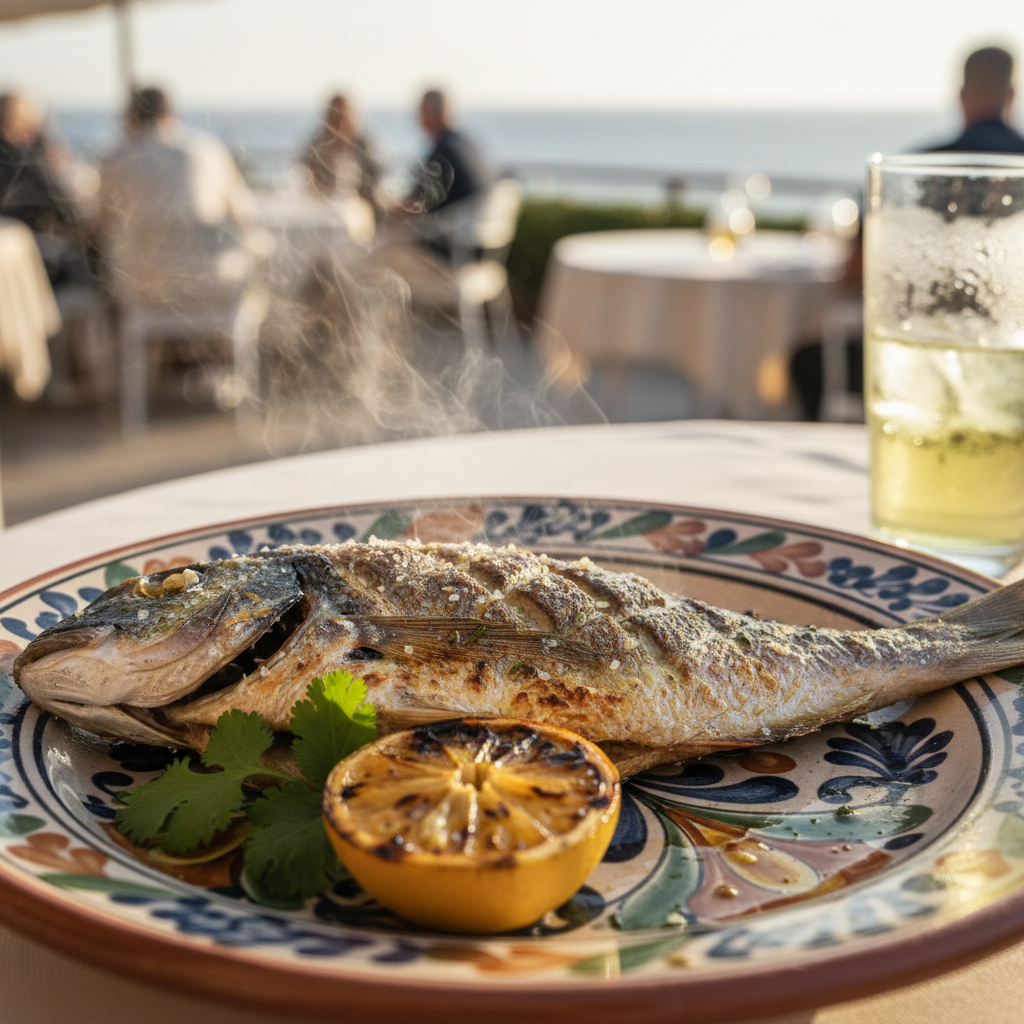
Discover the vibrant flavors of the Atlantic beyond salt-cod. From grilled sardines to succulent monkfish rice, explore the six essential fresh fish dishes to order along Portugal's stunning coastline.
Imagine sitting at a simple, paper-covered table just steps from the Atlantic. The air is thick with the scent of salt spray and the smoky aroma of charcoal grills. As the sun begins its slow dip toward the horizon, a waiter brings a platter of silver-skinned fish, glistening with olive oil and scattered with sea salt. There is no heavy sauce, no complicated garnish, just the pure flavor of the ocean caught only hours ago.
While salt-cod, known as bacalhau, is the undisputed king of Portuguese tradition, the country boasts over 1,700 kilometers of coastline where fresh, "green" fish (peixe fresco) takes center stage. For the discerning traveler, exploring the local fish markets and coastal tavernas reveals a culinary map far more diverse than cod alone. From the rugged cliffs of the Algarve to the misty shores of the north, here are six essential fresh fish dishes to seek out on your next journey.
## 1. Sardinhas Assadas (Grilled Sardines)
Nothing signals the start of summer in Portugal like the smell of sardines roasting over open coals. In coastal towns like Portimão or the historic neighborhoods of Lisbon, you will see small grills set up right on the sidewalk. The fish are grilled whole with nothing but a generous coating of coarse sea salt, which creates a crispy, savory skin while keeping the fatty meat inside incredibly moist.
The traditional way to eat them is perched atop a thick slice of sourdough bread (pão de milho or pão de centeio). The bread soaks up the flavorful oils from the fish, becoming a prize in itself at the end of the meal. It is a messy, hands-on experience that captures the rustic soul of the Portuguese seaside. Usually served with roasted bell peppers and boiled potatoes, it is a seasonal ritual that peaks in June during the popular saint festivals.
## 2. Robalo and Dourada (Sea Bass and Sea Bream)
If you prefer a more refined, delicate white fish, look for Robalo (Sea Bass) or Dourada (Sea Bream) on the menu. These are the staples of high-end coastal dining. The most authentic way to enjoy them is "escalado," where the fish is butterflied open and grilled flat over charcoal. This technique ensures an even cook and a light, smoky finish that complements the sweet, flaky flesh.
In many upscale restaurants, you might also find these prepared "ao sal" (baked in a thick crust of sea salt). The waiter brings a large tray covered in what looks like a mound of snow, then carefully cracks the salt crust to reveal the steaming, perfectly seasoned fish inside. It is a theatrical and delicious way to experience the natural quality of the Atlantic catch without any distractions.
## 3. Arroz de Tamboril (Monkfish Rice)
Monkfish, or Tamboril, is often called the "poor man's lobster" because of its firm, meaty texture and sweet flavor. While it might not be the most handsome fish in the sea, it stars in one of Portugal's most comforting dishes. Unlike a dry Spanish paella, Arroz de Tamboril is a "malandrinho" rice, meaning it is served loose and saucy in a deep clay pot.
The rice is simmered in a rich broth made from the fish head and bones, flavored with ripe tomatoes, onions, garlic, and a healthy dose of fresh cilantro. As you scoop the rice into your bowl, you find large, succulent chunks of monkfish that have soaked up all the herbal, tomato-heavy liquid. It is a warming, soul-satisfying meal that is particularly wonderful on a breezy evening in a coastal village like Nazaré or Cascais.
## 4. Choco Frito (Fried Cuttlefish)
While technically a cephalopod rather than a finned fish, Choco Frito is a legendary coastal specialty that deserves a place on every traveler's list. Its spiritual home is Setúbal, a vibrant fishing city just south of Lisbon. Unlike the thin rings of calamari found elsewhere, these are thick, juicy strips of cuttlefish marinated in garlic and lemon, lightly battered, and fried until golden and crisp.
The texture is the real surprise here; it is incredibly tender, almost creamy on the inside, providing a sharp contrast to the crunchy exterior. It is typically served with fries and a simple salad, often accompanied by a chilled glass of white wine from the nearby Península de Setúbal region. Eating Choco Frito at a bustling dockside eatery while watching the colorful fishing boats return to the harbor is a quintessential Portuguese experience.
## 5. Caldeirada de Peixe (Portuguese Fish Stew)
For those who cannot decide on just one type of fish, the Caldeirada is the perfect solution. Historically a fisherman's meal made from the leftover catch of the day, it has evolved into a beloved national dish. It is a layered stew, where different varieties of fish (such as rays, turbot, dogfish, and conger eel) are stacked with layers of sliced potatoes, onions, tomatoes, and peppers.
The ingredients are slowly simmered together with white wine and olive oil, allowing the flavors to meld into a complex, savory broth. Each region along the coast has its own version; some add a touch of piri-piri for heat, while others include clams or mussels. Because it uses whatever is freshest that morning, no two Caldeiradas are ever exactly the same, making every order a new discovery.
## 6. Linguado Grelhado (Grilled Sole)
Sole is prized for its elegant, flat shape and mild, buttery flavor. In the coastal towns of central Portugal, such as Aveiro or Figueira da Foz, you will find some of the finest Sole in Europe. It is a thin fish, so it requires a master's touch on the grill to ensure the skin is crisp while the white flesh remains tender and juicy.
Usually served whole, the waiter will often offer to fillet it for you at the table, neatly separating the delicate meat from the central bone. It is frequently accompanied by "molho espanhol" (a light sauce of olive oil, garlic, and vinegar) or simply a squeeze of lemon. It is the ultimate choice for a light lunch before continuing a day of sightseeing along the Atlantic cliffs.
## Tips for the Best Seafood Experience
To eat like a local, there are a few simple rules to follow. First, always look for the "Peixe do Dia" (Fish of the Day). Most reputable restaurants will bring a platter of raw fish to your table so you can inspect the clarity of the eyes and the brightness of the scales before you choose. You will often pay by weight (per kilo), so feel free to ask for an estimated price before the fish hits the grill.
Second, timing matters. Most traditional seafood spots are busiest on Sundays when families gather for long, multi-course lunches. If you prefer a quieter atmosphere, a midweek lunch is often the best time to find the freshest catch without the crowds. Finally, don't be afraid of the bones; the best fish in Portugal is almost always served whole to preserve the flavor and moisture.
## Exploring the Coast in Comfort
The journey between these coastal culinary hotspots is just as beautiful as the meals themselves. Traveling from the wind-swept beaches of the Silver Coast down to the hidden coves of the Alentejo involves winding roads and stunning viewpoints that are best enjoyed when you aren't worried about navigation or parking.
Choosing a private driver allows you to focus entirely on the scenery and the flavors. You can enjoy a glass of crisp Vinho Verde with your grilled sea bass and then relax in a premium vehicle as you move toward your next destination. This flexibility turns a simple meal into a full sensory exploration of the country's maritime heritage.
Portugal's relationship with the sea is deep and ancient, and there is no better way to understand it than through the fresh catch of the day. Whether it is a rustic sardine on bread or a sophisticated salt-crusted bream, these dishes offer a taste of the Atlantic that stays with you long after you return home.
Speak with our team and discover how to turn this experience into reality.