Best Places to Visit in Trás-os-Montes: Chestnut Woods, Castle Towns and Wild Mountain Valleys
By Portugal Magik · Published 2026-11-08
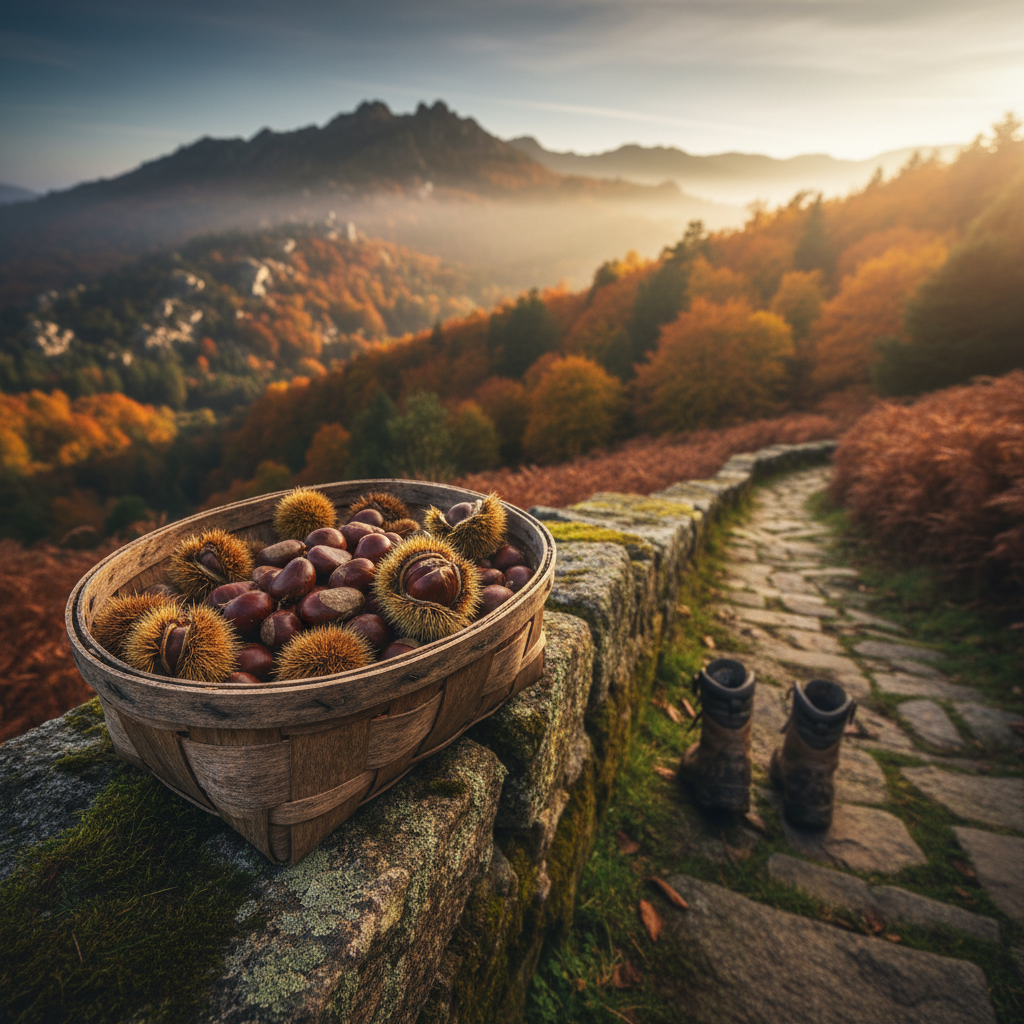
Discover the rugged beauty of Trás-os-Montes, a land of medieval castles, ancient chestnut forests, and wild mountain valleys in Portugal's remote northeast.
Imagine standing on a granite plateau where the only sound is the distant chime of a goat bell and the rustle of wind through ancient chestnut trees. This is Trás-os-Montes, a name that literally means "Behind the Mountains." Tucked away in the far northeast corner of Portugal, this region feels like a secret kept by the locals for centuries. It is a land of dramatic landscapes, robust stone villages, and a way of life that remains deeply connected to the rhythm of the seasons.
For the traveler who has already seen the bustling streets of Lisbon and the terraced slopes of the Douro Valley, Trás-os-Montes offers something profoundly different. It is a place of raw beauty, where the air is crisp and the hospitality is as warm as a wood-fired oven. From the medieval fortresses guarding the Spanish border to the wild expanses of the Montesinho Natural Park, this is Portugal at its most authentic and untouched.
## The Gateway to the North: Bragança and its Medieval Citadel
Bragança is the historic heart of the region, sitting proudly on a hill surrounded by rolling green mountains. The first thing you notice is the Cidadela, a perfectly preserved medieval village enclosed within high stone walls. Walking through the arched gateways feels like stepping back into the 12th century, especially as you look up at the towering keep of the castle, which stands as a silent sentinel over the plains.
Inside the walls, the atmosphere is quiet and reverent. You will find the Domus Municipalis, a rare and beautiful example of Romanesque civil architecture with a unique pentagonal shape. Nearby, the Old Cathedral and the narrow cobblestone lanes offer a peaceful retreat. It is a place where the history of the Portuguese monarchy feels tangible, yet the surrounding mountains remind you how remote and defiant this outpost once was.
## The Wild Heart of Montesinho Natural Park
Just north of Bragança lies the Montesinho Natural Park, one of the largest protected areas in Portugal. This is a landscape of high ridges and deep valleys, where wolves still roam and golden eagles soar overhead. The light here is extraordinary, shifting from deep emerald in the spring to rich ochre and gold during the autumn harvest.
The park is dotted with traditional slate-roofed villages like Montesinho and Rio de Onor. Rio de Onor is particularly fascinating because it is a "community village," where traditions of shared labor and resources have survived for generations. The village is split in two by the border with Spain, but for the locals, the border barely exists. Visiting these hamlets allows you to see the traditional architecture of dark stone and wooden balconies that seem to grow right out of the earth.
## The Magic of the Chestnut Woods
Trás-os-Montes produces the vast majority of Portugal’s chestnuts, and the landscape is defined by these majestic, gnarled trees. In the autumn, the forests turn into a sea of fire-colored leaves, and the scent of roasting chestnuts begins to drift through every village square. These woods are not just beautiful; they have been the lifeblood of the region for centuries, providing food and timber in a harsh climate.
Walking through a chestnut grove near the town of Vinhais is a sensory experience. You can hear the crunch of dry leaves underfoot and see the prickly green husks scattered across the forest floor. The local cuisine reflects this bounty, with chestnuts appearing in everything from hearty soups to sweet desserts. It is a reminder of how the people here have turned the rugged nature of the land into a source of nourishment and pride.
## Chaves: Roman Bridges and Thermal Waters
Located in a fertile valley near the Spanish border, Chaves has been a crossroads of civilizations for millennia. The city is famous for its Roman heritage, most notably the Trajan Bridge, which has spanned the Tâmega River for nearly two thousand years. Crossing the bridge at sunset, with the light reflecting off the water and the ancient stones beneath your feet, is one of the most iconic experiences in the region.
Chaves is also renowned for its hot springs. The thermal waters have been sought after for their healing properties since Roman times. The city center is a delightful mix of wide plazas and narrow streets lined with brightly painted wooden balconies. While here, be sure to try the famous Pastéis de Chaves, flaky crescent-shaped pastries filled with savory minced meat, which are a true local delicacy.
## Miranda do Douro and the Deep Canyons
In the easternmost part of the region, the landscape changes dramatically as the Douro River carves a deep canyon into the granite. Miranda do Douro sits on the edge of these cliffs, offering breathtaking views down into the international waters that separate Portugal from Spain. The river here is calm and deep, flanked by sheer orange cliffs where rare black storks nest.
The city itself is a cultural island. People here speak Mirandese, a recognized regional language that sounds like a blend of archaic Portuguese and Spanish. The local traditions are fiercely preserved, from the colorful Pauliteiros de Miranda (stick dancers) to the massive Miranda beef steaks served in local taverns. The air here feels ancient and the views across the Douro International Natural Park are among the most spectacular in all of Europe.
### The Village of Mogadouro and the Templar Legacy
Perched on a high plateau, Mogadouro is a town defined by its granite heritage and its strategic importance during the Middle Ages. The ruins of its castle serve as a reminder of the Knights Templar, who once held these lands to protect the frontier. The town is surrounded by a rugged landscape that feels vast and open, offering a sense of freedom that is hard to find in more populated regions.
Visiting Mogadouro is about appreciating the scale of the northeastern landscape. The nearby Church of Algosinho is a hidden gem of Romanesque art, standing solitary among the fields. The region is also famous for its almond blossoms in late winter, which cover the hillsides in a delicate white and pink blanket, signaling the end of the long mountain winter.
## Mirandela: Gardens and Gastronomy
Mirandela is often called the "Garden City" because of its beautiful parks and flower-lined riverbanks. It sits in a slightly warmer pocket of the region, surrounded by olive groves that produce some of the finest olive oil in the world. The town is centered around the Old Bridge, which features twenty different arches and offers a wonderful vantage point for a morning stroll.
This town is perhaps most famous for the Alheira de Mirandela. This unique sausage was originally created by Jewish families during the Inquisition to avoid detection, using poultry and bread instead of pork. Today, it is a staple of Portuguese gastronomy. The atmosphere in Mirandela is softer and more relaxed than the high mountain towns, making it a perfect place to enjoy a slow lunch by the Tua River.
## Planning Your Journey to the North
Trás-os-Montes is a region that rewards slow travel. Because of its remote location and mountainous terrain, the best way to experience it is by road, allowing you to stop at small viewpoints and tiny villages that aren't on any standard map. The roads are winding but offer some of the most scenic drives in the country.
* **Best Time to Visit:** Spring brings wildflowers and almond blossoms, while autumn is spectacular for the changing colors of the chestnut woods and the harvest festivals. Winters can be very cold and snowy, which adds a cozy charm to the stone villages but requires careful driving. * **What to Pack:** Sturdy walking shoes are essential for exploring the cobbled streets and nature trails. Even in summer, evenings in the mountains can be cool, so a light jacket or sweater is always recommended. * **Dining:** The food here is "comfort food" in its truest sense. Look for bean stews (feijoada), wild game, and the local Posta Mirandesa (thick steak). The red wines from the nearby Douro or the local Trás-os-Montes sub-regions are the perfect accompaniment.
## Discovering the High North with Portugal Magik
Exploring Trás-os-Montes requires a certain level of local knowledge to truly unlock its secrets. At Portugal Magik, we have spent 14 years helping discerning international travelers discover the hidden corners of our country. We understand that the journey is just as important as the destination, which is why we provide premium transportation in our fleet of Mercedes-Benz vehicles, including the E-Class and V-Class.
Our professional English-speaking drivers are more than just chauffeurs; they are your local companions who handle the logistics and the mountain roads, allowing you to simply sit back and take in the magnificent scenery. Whether you want to focus on the medieval castles of the border or the quiet beauty of the Montesinho Park, we offer the flexibility to tailor the route to your interests.
The far northeast of Portugal is a place of profound silence and deep history. It is a region that stays with you long after you have returned home, haunting you with its wild landscapes and the simple, honest kindness of its people.
Speak with our team and discover how to turn this experience into reality.