Best Places to Visit in the Minho: Where to Go North of Porto
By Portugal Magik · Published 2026-10-07
Explore the lush Minho region north of Porto, from the medieval streets of Guimaraes and the historic cathedrals of Braga to the wild beauty of Peneda-Geres.
The Minho region is often described as the birthplace of Portugal. Located in the far northwest, just above Porto, it is a land of deep green valleys, ancient granite cities, and a coastline that feels wild and untouched. While many travelers focus their energy on the Douro Valley or the Algarve, those who venture further north discover a landscape that feels more authentic, traditional, and incredibly welcoming.
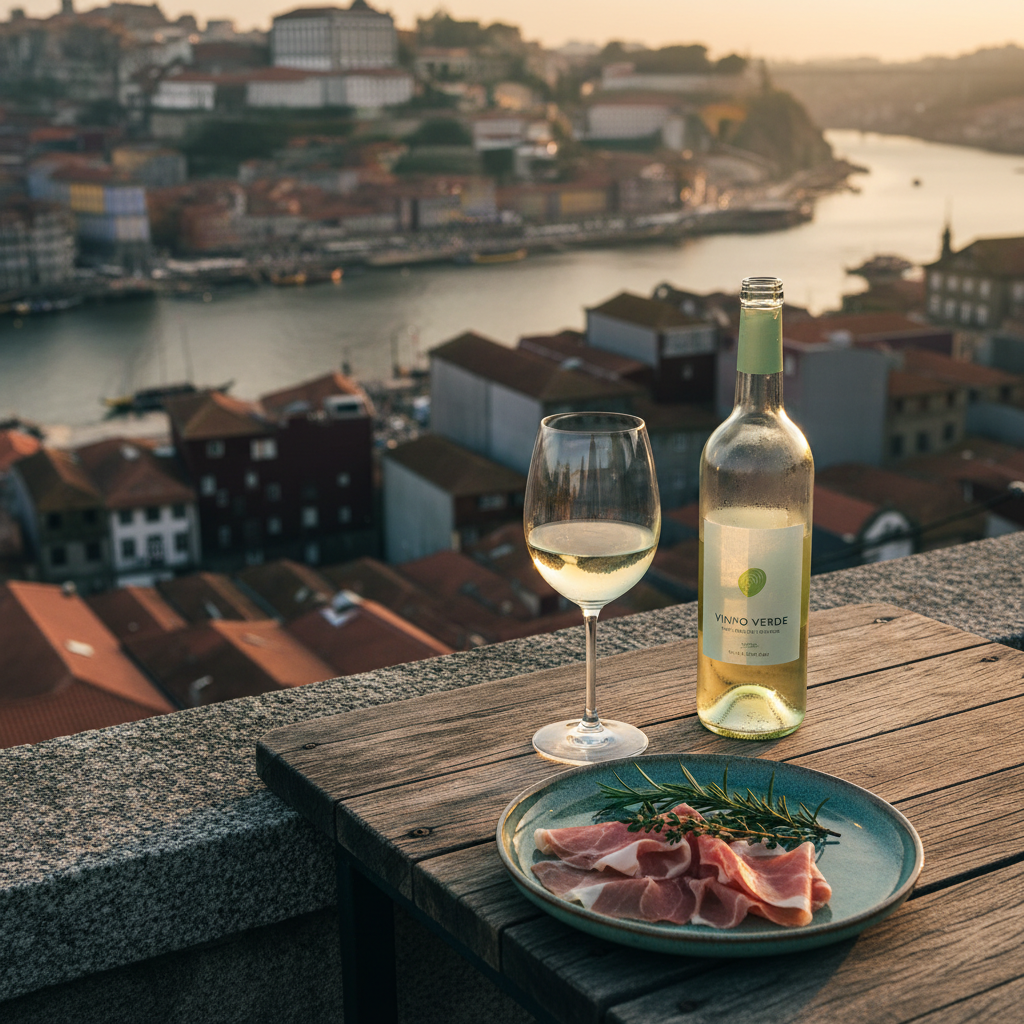
Known as the Costa Verde (Green Coast), the Minho is characterized by its frequent rainfall, which keeps the hillsides lush and the vineyards thriving. This is the home of Vinho Verde, the famous young wine that is crisp, slightly effervescent, and perfect for a warm afternoon. Traveling through this region feels like stepping back into a more peaceful era of Portuguese history, where the pace of life slows down and the hospitality is legendary.
## Guimaraes: The Cradle of the Nation
If you want to understand Portugal, you must start in Guimaraes. This city is where the first king of Portugal, Afonso Henriques, was born, and it served as the country’s first capital. The historical center is a UNESCO World Heritage site and remains one of the most beautiful urban spaces in the country.
### The Castle and the Palace The skyline of Guimaraes is dominated by its medieval castle, built in the 10th century to defend against Moorish and Norse attacks. Walking along its ramparts provides a grand view of the city. Just a few steps away is the Palace of the Dukes of Braganza. This 15th-century residence, with its distinctive brick chimneys and dark wooden ceilings, offers a glimpse into the lives of Portuguese nobility centuries ago.
### The Old Town Squares Descending from the castle into the heart of the city, you will find Largo da Oliveira and Praça de Santiago. These interconnected squares are lined with medieval houses featuring traditional wooden balconies. It is a wonderful place to sit at a sidewalk cafe, enjoy a coffee, and admire the Gothic Manueline architecture of the Church of Our Lady of the Olive Tree.
## Braga: The City of Archbishops
Just a short drive from Guimaraes is Braga, a city that manages to be both ancient and youthful. As the oldest city in Portugal, it has a heavy religious history, yet its large university population keeps the streets lively and modern.
### The Cathedral (Sé de Braga) The Braga Cathedral is the oldest in Portugal, dating back to the 11th century. Because it was built and renovated over hundreds of years, it features a fascinating mix of Romanesque, Gothic, and Baroque styles. Inside, the ornate golden pipe organs are a sight to behold.
### Bom Jesus do Monte Located on a hilltop just outside the city center, Bom Jesus do Monte is one of Portugal’s most iconic landmarks. The sanctuary is famous for its monumental Baroque stairway that climbs 116 meters. The stairs represent the Five Senses and the Three Virtues, leading up to a beautiful church. For those who prefer not to walk, there is a water-powered funicular, the oldest of its kind in the world, that takes you to the top in just a few minutes.
## Viana do Castelo: Where the River Meets the Sea
Traveling toward the coast, Viana do Castelo is a gem of the Minho. It sits at the mouth of the Lima River and was historically a major port during the Age of Discovery. Today, it is famous for its intricate filigree gold jewelry and its vibrant traditional festivals.
### Santa Luzia Sanctuary Perched high above the town on Mount Santa Luzia, this sanctuary offers what many consider one of the best views in the world. From the dome of the church, you can see the entire city, the winding river, and the vast Atlantic Ocean stretching to the horizon. The church itself is inspired by the Sacré-Coeur in Paris and is an impressive example of Neo-Byzantine architecture.
### The Historic Center The heart of Viana do Castelo is Praça da República, a square surrounded by elegant buildings like the old Town Hall and the Misericórdia building. The narrow streets branching off the square are filled with shops selling traditional embroidered linens and the famous Viana heart pendants.
## Ponte de Lima: The Oldest Village in Portugal
Ponte de Lima feels like a living museum. It is widely considered the oldest town in Portugal, having received its charter in 1125. The town is named after its most famous feature: the beautiful bridge that crosses the Lima River.
### The Roman and Medieval Bridge The bridge is actually two parts: one section is Roman, dating back to the 1st century, and the other is a medieval extension from the 14th century. Walking across it is a rite of passage for visitors. The view of the town from the opposite bank, with the church towers reflecting in the water, is a favorite for photographers.
### Gardens and Festivals Ponte de Lima is famous for its gardens. Every year, it hosts the International Garden Festival, where artists create themed outdoor spaces. The town is also a major stop on the Portuguese Way of the Camino de Santiago. You will often see pilgrims resting in the squares before continuing their journey north toward Spain.
## Peneda-Geres National Park
For those who love the outdoors, the Minho offers access to Portugal’s only National Park. Peneda-Geres is a rugged mountain range filled with oak forests, waterfalls, and granite peaks. It is a place where nature remains largely undisturbed.
### Wild Horses and Ancient Villages The park is home to the Garrano, a breed of wild pony that has lived in these mountains since prehistoric times. As you drive through the winding mountain roads, you might encounter small villages like Soajo or Peneda, where life revolves around agriculture and ancient stone granaries called espigueiros are still used to protect corn from rodents.
### The Roman Road A fascinating historical feature of the park is the Geira, a Roman road that once connected Braga to Astorga in Spain. You can still see many of the original Roman milestones along the path, which served as markers for ancient travelers nearly two thousand years ago.
## The Vinho Verde Wine Region
You cannot visit the Minho without experiencing its wine culture. Unlike the heavy reds of the Alentejo or the fortified Port of the Douro, Vinho Verde is light, high in acidity, and often has a slight sparkle.
The region is divided into several sub-regions. The Moncao and Melgaco area, right on the Spanish border, is particularly famous for the Alvarinho grape. This variety produces a more complex, full-bodied white wine that is highly sought after. Throughout the Minho, you will see vines grown high on trellises, a traditional method that allows farmers to grow other crops underneath.
## Planning Your Visit
The Minho is best explored at a leisurely pace. Because the region is so green, it is prone to rain in the winter and spring, so the best time to visit for clear skies is between May and September. However, even on a misty day, the granite villages have a mystical, atmospheric quality that is very special.
Distances between towns are relatively short, but the roads can be winding, especially as you head toward the mountains or the coastal cliffs. While public transport exists between the major cities like Braga and Guimaraes, having a private vehicle is the only way to reach the hidden viewpoints, small wineries, and mountain villages that make the Minho so unique.
When visiting, be sure to try the local cuisine. The Minho is famous for Caldo Verde (kale soup), Rojões (marinated pork cubes), and fresh seafood along the coast. The portions are notoriously generous, reflecting the warmhearted nature of the local people.
The Minho is a region that rewards curiosity. It is a place of legends, deep history, and stunning natural beauty that offers a different perspective on Portuguese culture. Whether you are standing on the ramparts of a castle in Guimaraes or watching the sunset over the Atlantic in Viana do Castelo, the North will surely leave a lasting impression.
If you are looking to explore the northern reaches of Portugal in comfort and style, having a dedicated professional by your side makes all the difference. Portugal Magik offers premium private tours with a fleet of Mercedes-Benz vehicles and English-speaking drivers who know the hidden corners of the Minho. This allows you to focus on the sights and stories while we handle the logistics of the road.
Speak with our team and discover how to turn this experience into reality.