Beach Etiquette in Portugal: What to Know Before You Spread Your Towel
By Portugal Magik · Published 2026-10-21
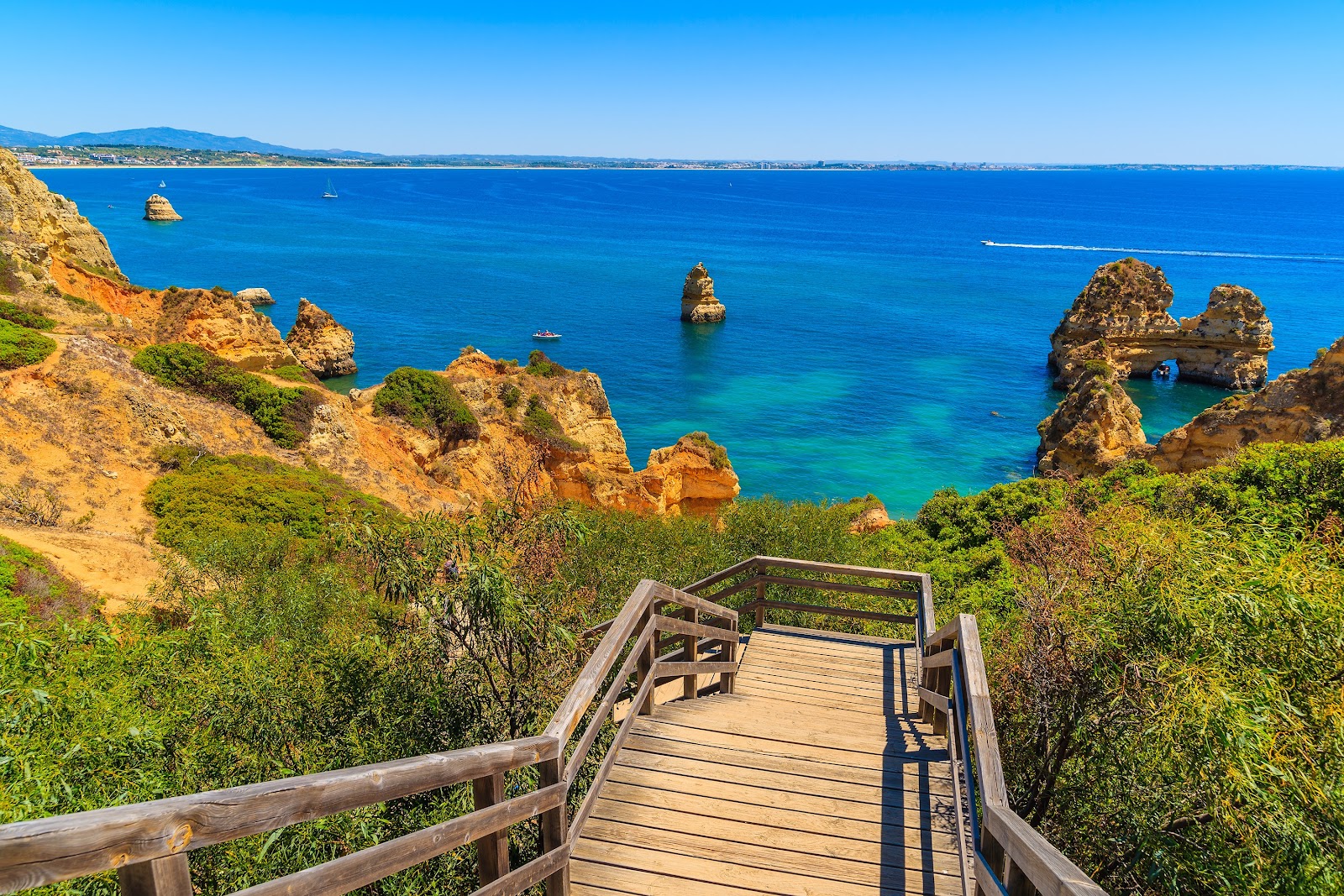
Master the unspoken rules of Portuguese beaches, from understanding safety flags to the etiquette of donuts on the sand, for a perfect coastal getaway.
Portugal is home to some of the most spectacular coastlines in the world. From the dramatic, wind-swept cliffs of the Silver Coast to the calm, turquoise waters of the Algarve, there is a beach for every type of traveler. However, like any country with a deep-rooted maritime culture, there are unspoken rules and social norms that help everyone enjoy the sun and sand in harmony.
Understanding beach etiquette in Portugal is not just about being polite. It is about respecting the local environment, ensuring your safety, and blending in with the relaxed yet respectful Portuguese way of life. If you are planning to spend a day by the Atlantic, here is everything you need to know before you spread your towel.
## The Morning Arrival and Space Awareness
Portuguese beaches can get very crowded, especially in July and August. If you are heading to a popular urban beach like Cascais or Estoril, arriving early is essential.
When you arrive, take a moment to look at the layout. You will notice two distinct areas on many popular beaches: the *concessão* (concession) and the free area. The concession areas are managed by private operators and feature rows of sun loungers and umbrellas available for daily rent. If you prefer your own towel and umbrella, you must set up in the public area, which is usually clearly separated.
### Respecting Personal Space Even on a crowded beach, the Portuguese value their personal space. Try not to set your towel directly against someone else if there is room to spread out. If the beach is packed, it is customary to leave at least a small walkway between towels so people can reach the water without stepping on your belongings.
## The Flags and Water Safety
The Atlantic Ocean is beautiful, but it is powerful and significantly colder than the Mediterranean. The most important thing to learn before entering the water is the flag system used by lifeguards (*nadadores-salvadores*). These flags are non-negotiable and are there for your protection.
1. **Green Flag:** The sea is calm. You can swim and bathe safely. 2. **Yellow Flag:** You can paddle or stand in the water, but swimming is not allowed. Conditions are potentially dangerous due to currents or waves. 3. **Red Flag:** Stay out of the water entirely. It is dangerous and swimming is prohibited. 4. **Checkered Flag:** This indicates the lifeguard is temporarily absent.
### Beware of Tides The tide in Portugal can change significantly and quite quickly. If you arrive at low tide and set your towel close to the water, you might find your shoes floating away an hour later. Look for the "wet sand" line to see how far the tide usually comes in, or watch where the locals have set their base.
## Sounds and Social Atmosphere
Portuguese beaches are social places. You will hear families chatting, children playing, and the occasional vendor shouting about their snacks. However, there is a limit to the noise.
### Music and Speakers In recent years, local authorities have become stricter about loud music. Playing music through loud Bluetooth speakers is generally frowned upon and can even result in fines on certain beaches. If you want to listen to music, headphones are the respectful choice.
### The Famous "Bola de Berlim" You cannot talk about Portuguese beach culture without mentioning the *Bola de Berlim*. These are large, sugar-coated donuts, usually filled with egg cream (*creme pasteleiro*). Throughout the day, vendors walk across the sand shouting "Olhááá a Bóóóla de Berlim!". It is a classic tradition to buy one. When the vendor passes, simply signal them over. They carry napkins and change, and it is perfectly acceptable to eat these treats right there on your towel.
## Environment and Cleanliness
Portugal takes great pride in its "Blue Flag" beaches, an international award for water quality and environmental management. Maintaining this requires everyone to do their part.
### Litter and Waste Most beaches have clearly marked bins for recycling and general waste at the entrances. Never leave cigarette butts, plastic wrappers, or food waste in the sand. If you are on a more remote beach without bins, the rule is simple: whatever you bring in, you must take out.
### Shells and Stones While it is tempting to collect souvenirs, it is better to leave the shells and stones where they are. In some protected nature reserves, such as the Ria Formosa in the Algarve, taking sand or stones can actually be illegal.
## Dress Code and Modesty
Portugal is a relatively conservative but relaxed country. On most public beaches, standard swimwear is the norm.
### Nudism and Topless Sunbathing Topless sunbathing is very common and widely accepted for women across almost all Portuguese beaches. However, full nudism is restricted to specific, legally designated "Naturist" beaches. These are usually clearly marked with signs. If you are not on a designated nudist beach, you should remain clothed in standard swimwear.
### Away from the Sand When you leave the sand to go to a nearby restaurant, cafe, or shop, it is polite to cover up. Walking into a town center or a restaurant in just a bikini or swim trunks is generally considered disrespectful. Throwing on a light dress, a t-shirt, or a sarong is the local standard.
## Smoking and Alcohol
Rules regarding smoking on beaches are currently evolving in Portugal. While it is not banned everywhere yet, there are increasing restrictions, especially on beaches with a high density of children. If you do smoke, always use a portable ashtray. Many beach kiosks provide these for free or for a small fee. Never bury butts in the sand.
As for alcohol, enjoying a cold beer or a glass of sangria at a beach bar (*quiosque*) is a favorite pastime. However, public intoxication on the sand is not common and is generally discouraged. Glass bottles are also a safety hazard on the beach, so stick to the beach bar areas for drinks.
## Dealing with the Wind
The "Nortada" is a strong north wind that often blows along the Portuguese coast, particularly in the Lisbon and Silver Coast regions. It can turn a pleasant sunbathing session into a sand-blasting experience.
You will notice many locals using windbreaks (*para-ventos*). These are long pieces of fabric held up by wooden poles hammered into the sand. If you are planning to stay for the day, a windbreak is a high-end comfort item that makes a huge difference. If you don't have one, try to position yourself near the cliffs or rocks that might offer natural protection, but always be mindful of falling rocks (look for signs that say *Arribas Perigosas*).
## Respecting the Cliffs
The cliffs along the Portuguese coast are stunning but can be unstable. You will often see signs warning of "Risco de Derrocada" (Risk of collapse). Do not set your towel directly under the overhang of a cliff, and do not walk too close to the edge of cliff-top paths. The limestone and sandstone can be brittle, and erosion is a constant natural process.
## How to Get There
Many of the most beautiful beaches are tucked away at the bottom of steep cliffs or at the end of long dirt roads. While public transport serves urban beaches well, reaching the hidden gems of the Alentejo coast or the western Algarve is much easier with a dedicated driver.
Navigating narrow coastal roads and finding parking during the peak season can be stressful. Opting for a private service allows you to be dropped off right at the beach entrance and picked up when you are ready to head back to your hotel, without the worry of navigating or parking.
## Conclusion
A day at the beach in Portugal is a highlight of any trip. By following these simple etiquette rules, you ensure that the coastline remains beautiful for everyone and that your day in the sun is as relaxing as possible. Whether you are watching the surfers at Nazaré or enjoying the calm waters of Arrábida, the key is to respect the ocean, the locals, and the natural environment.
If you want to explore the Portuguese coast in total comfort and style, having a professional at the wheel makes all the difference. Imagine a seamless journey in a premium Mercedes-Benz vehicle, where your only responsibility is deciding which beach looks most inviting.
Speak with our team and discover how to turn this experience into reality. Request your personalized proposal today.