The Bark of Kings: A Private Connoisseur’s Guide to the Aristocratic Cork Forests and Artisanal Heritage of the Alentejo Heartlands
By Portugal Magik · Published 2026-08-18
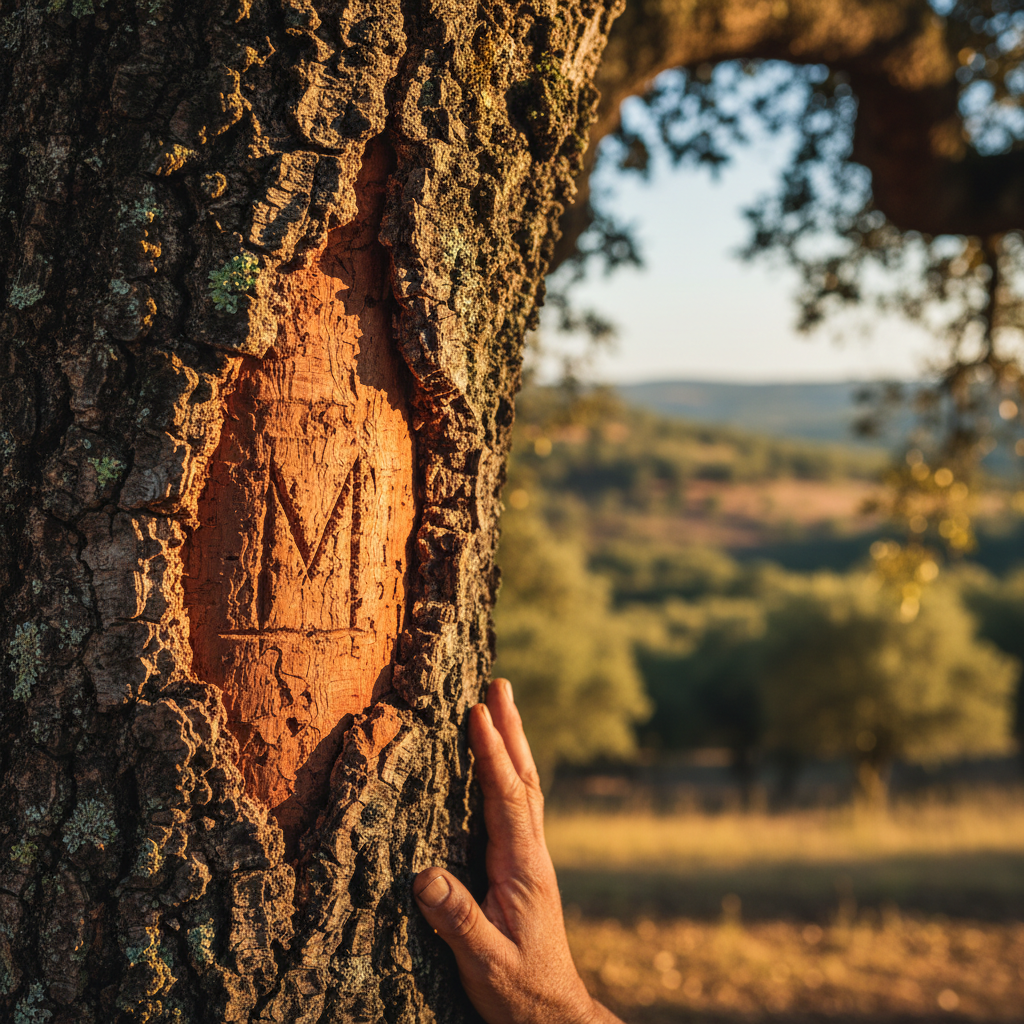
Explore the noble cork forests of Alentejo, where ancient traditions and artisanal craftsmanship meet. Discover the sophisticated heritage of the Montado in this guide to Portugal’s aristocratic heartlands.
Beyond the golden wheat fields and silver-green olive groves of the Alentejo lies a landscape of quiet, enduring nobility. This is the realm of the Montado, a unique ecosystem where the cork oak tree, Quercus suber, has reigned for centuries. Known locally as the bark of kings, cork is not merely an export but a cultural cornerstone that has shaped the identity, economy, and aesthetic of southern Portugal. For the discerning traveler, a journey into these ancient forests offers a rare glimpse into a world where time is measured by the nine-year harvest cycle and where artisanal heritage remains untarnished by the modern rush.
The Alentejo heartlands represent one of the last bastions of traditional land management in Europe. Here, the relationship between man and nature is not one of extraction, but of stewardship. As one moves through the rolling plains of the interior, the presence of these stately, twisted trees creates a sense of profound stillness. This guide explores the sophisticated nuances of the cork industry, the aristocratic estates that preserve these lands, and the refined artisanal legacy that continues to define the Portuguese spirit.
## The Montado: A Sovereign Ecosystem
The Montado is a Mediterranean landscape unlike any other. It is a man-made parkland that supports a staggering level of biodiversity, yet it remains a productive agricultural space. The cork oak is the protagonist of this setting. These trees are never felled for their primary product. Instead, they are gently stripped of their bark every nine years, a process that requires immense skill and a deep respect for the living organism.
Walking through an ancient cork forest, one notices the numbers painted in white on the dark, stripped trunks. These digits represent the year of the last harvest, a silent calendar marking the passage of time. The air in the Montado is often scented with wild rockrose and lavender, providing a sensory backdrop to the sight of the majestic trees. The ecosystem also serves as a sanctuary for the Iberian lynx and the imperial eagle, reinforcing the importance of preserving these aristocratic lands.
## The Art of the Harvest: A Legacy of Precision
The harvesting of cork, known as the descortiçamento, is considered one of the most specialized manual labor tasks in the world. It takes place during the summer months when the tree is in its most active growth phase, allowing the bark to separate more easily from the trunk. There is no machinery capable of performing this task without damaging the delicate inner layer of the tree. It is done entirely by hand, using small, razor-sharp axes passed down through generations of families.
The men who perform this work are among the most respected artisans in the Alentejo. Each strike of the axe must be precise, navigating the natural contours of the tree to remove large planks of cork. A single misplaced blow could scar the tree for decades or even lead to its demise. Watching this process is a reminder of a time when craftsmanship and patience were the primary virtues of industry.
### The Grading of Noble Bark
Once harvested, the cork planks are seasoned in the open air for several months before being moved to processing facilities. The finest, most consistent cork is reserved for the premium wine industry. The dense, elastic properties of high-quality cork make it the only closure suitable for aging the world’s most prestigious vintages. This connection between the Alentejo forests and the cellars of Bordeaux, Tuscany, and the Douro Valley highlights the international significance of this regional heritage.
## Evora and the Artisanal Renaissance
The historic city of Evora, a UNESCO World Heritage site, serves as the cultural anchor of the cork region. Within its Roman walls and medieval streets, a new generation of artisans is reimagining how cork can be used. While traditional products like wine stoppers and insulation remain staples, contemporary designers are crafting high-end fashion, furniture, and jewelry from this sustainable material.
A stroll through the refined boutiques of Evora reveals cork transformed into soft, suede-like fabrics used for umbrellas, handbags, and even evening wear. The natural texture of the material, which is both waterproof and fire-resistant, lends itself to an aesthetic of organic elegance. Many of these pieces are produced in small ateliers where the emphasis is on quality over quantity, mirroring the slow-grown nature of the material itself.
### The Palaces of Cork
Architecture in the Alentejo also pays homage to the cork oak. From the rustic charm of traditional farmhouses (herdades) to the contemporary minimalist designs of premium boutique hotels, cork is used for its thermal properties and its visual warmth. Some of the most prestigious estates in the region feature cork-lined tasting rooms or libraries, creating an atmosphere of quiet insulation that is perfect for reflecting on the day’s discoveries.
## Exploring the Great Estates of the Alentejo
The true heart of the cork industry is found within the vast private estates, some of which have been in the same families for hundreds of years. These herdades often encompass thousands of hectares of forest, olive groves, and vineyards. A private journey through the Alentejo allows for a deeper appreciation of these landscapes, as the transition from the rugged coast to the interior plains reveals the changing character of the Portuguese countryside.
While many travelers focus on the coastal regions, the interior offers a more authentic and undisturbed experience. The roads are flanked by miles of cork oaks, punctuated by the occasional white-washed village topped with a stork’s nest. It is a region that rewards those who travel at a slower pace, taking the time to appreciate the subtle shifts in light and the profound silence of the plains.
### Culinary Traditions of the Forest
The influence of the Montado extends to the local gastronomy. The acorns produced by the cork and holm oaks are the primary food source for the Alentejo Black Pig (Porco Preto). This free-range diet gives the meat a distinct, nutty flavor and a marbled texture that is prized by connoisseurs. In the traditional taverns and high-end restaurants of towns like Arraiolos and Estremoz, guests can savor dishes that are intrinsically linked to the forest ecosystem, accompanied by the robust, sun-drenched wines of the region.
## Practical Considerations for the Discerning Traveler
Visiting the Alentejo requires a degree of planning to truly capture its essence. The region is vast, and the most evocative cork forests are often located on private land away from the main tourist routes.
* **Seasonality:** The best time to witness the cork harvest is from late May to early August. However, the forests are beautiful year-round, with spring offering a blanket of wildflowers and autumn bringing cooler temperatures perfect for exploration. * **Attire:** Even in summer, the Alentejo can be breezy. Natural fabrics and comfortable footwear are recommended for those wishing to walk the forest trails. * **Navigation:** Given the scale of the region and the rural nature of the roads, having a professional driver is the most sophisticated way to navigate the landscape. This allows guests to focus on the scenery and the stories of the land rather than the complexities of navigation.
## A Legacy Preserved for the Future
The cork forests of the Alentejo are a testament to the fact that heritage and sustainability can coexist beautifully. In an era of synthetic alternatives, the continued demand for natural cork ensures the protection of one of Europe’s most important ecological treasures. The bark of kings remains a symbol of Portuguese resilience and a beacon for those who value authenticity above all else.
As the sun sets over the Alentejo, casting long shadows across the red-stained trunks of recently harvested trees, one realizes that this is more than just a landscape. It is a living history, a cultural identity, and a masterclass in the art of living well.
## Discover the Alentejo with Portugal Magik
To truly immerse yourself in the aristocratic heritage of the Alentejo, the expertise of a professional companion is indispensable. Portugal Magik offers a refined approach to exploring these historic heartlands. With over fourteen years of experience, we provide a seamless travel experience using our exclusive fleet of Mercedes-Benz vehicles, including the elegant E-Class and the spacious V-Class.
Our professional English-speaking drivers are dedicated to discerning international travelers seeking premium experiences. We offer the flexibility to explore the Alentejo at your own pace, ensuring that your journey from Lisbon or the coast into the heart of the cork forests is comfortable, private, and entirely tailored to your interests. From the gates of historic estates to the hidden boutiques of Evora, we provide the logistical excellence required for a truly memorable exploration of Portugal’s interior.
Request your personalized proposal today and begin your journey into the soul of the Alentejo.