The Bark of the Earth: A Private Connoisseur’s Guide to the Aristocratic Cork Forests and Artisanal Heritage of the Alentejo Plains
By Portugal Magik · Published 2026-09-19
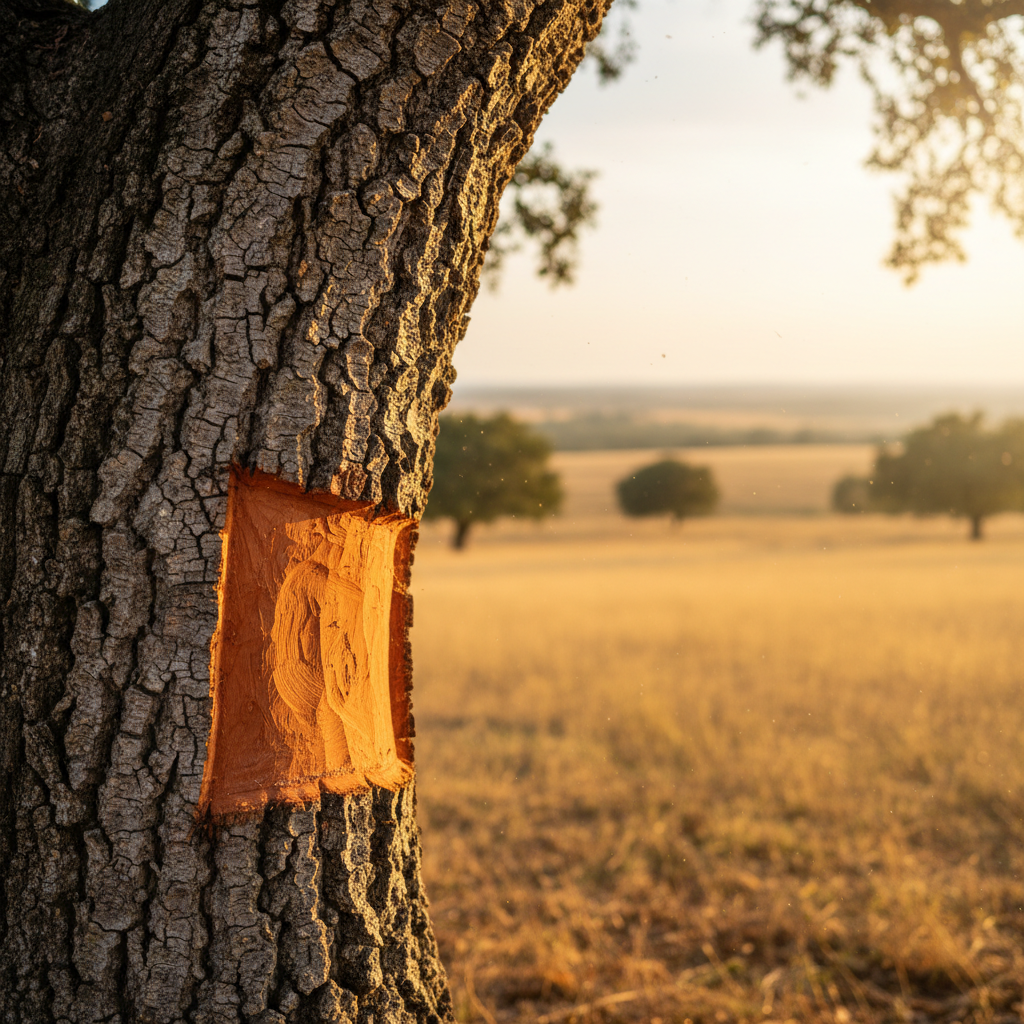
Discover the silent beauty and artisanal heritage of the Alentejo cork forests. An expert guide to the sustainable, high-end culture of Portugal's aristocratic plains.
Across the vast, undulating horizons of the Alentejo, a silent and ancient industry breathes life into the golden landscape. This is the realm of the *Montado*, a unique ecosystem where the cork oak tree (Quercus suber) reigns supreme. To travel through these plains is to witness a harmony between human ingenuity and nature that has remained largely unchanged for centuries. For the discerning traveler, a journey into the heart of the Alentejo is not merely a geographic transition, it is an immersion into a sophisticated heritage of sustainability and artisanal mastery.
The Alentejo region, covering nearly a third of Portugal, serves as the global epicenter for cork production. Yet, beyond the industrial statistics lies a world of profound beauty and quiet dignity. Here, the cork forests are not merely agricultural plots, they are aristocratic estates that have been managed by the same families for generations, preserving a landscape that is as culturally rich as it is ecologically vital.
## The Soul of the Montado: An Ancient Ecosystem
The *Montado* is far more than a forest. It is a carefully managed Mediterranean savannah, a mosaic of cork oaks, holm oaks, and sprawling grasslands where cattle and the famous black Iberian pigs roam freely. This ecosystem is one of the world’s greatest examples of sustainable land use, providing a habitat for diverse flora and fauna, including the endangered Iberian Lynx.
The cork oak itself is a marvel of biology. Unlike most trees, the Quercus suber can have its bark removed without being harmed. In fact, the harvesting process, which takes place every nine years, is essential for the tree's health and longevity. These trees can live for over two hundred years, standing as stoic witnesses to the passage of time. When you walk beneath the canopy of a centuries-old grove, there is a palpable sense of stillness, a connection to a rhythm of life that ignores the frantic pace of the modern world.
## The Art of the Harvest: A Masterclass in Precision
There is no machine that can replace the human hand when it comes to the cork harvest. Known as the *Descortiço*, the harvest takes place between May and August, when the tree is in its peak growing phase and the bark separates more easily from the trunk. The men who perform this work, the *Tiradores*, are among the highest-paid agricultural workers in Portugal, and for good reason. Their skill is legendary.
Using small, incredibly sharp axes, they make precise incisions in the thick, craggy bark. The goal is to peel away large planks of cork without ever touching the delicate inner skin of the tree. A single misplaced strike can wound the oak, potentially ending its productive life. Observing this process is like watching a choreographed dance of strength and finesse. Each tree is then marked with a white number, indicating the year of its harvest, a simple yet effective way to track the nine-year cycle until it is ready to be touched again.
## From Forest to Atelier: The Artisanal Evolution
While the most famous use for cork is the wine stopper, a tradition that famously gained momentum with Dom Pérignon in the 17th century, the Alentejo is currently experiencing a creative renaissance. The bark of the earth is being transformed into high-end fashion, architectural elements, and contemporary design pieces.
In small ateliers tucked away in white-washed villages like Arraiolos or near the historic city of Évora, artisans are pushing the boundaries of what this material can do. Cork is naturally fire-retardant, hypoallergenic, and water-resistant. Modern designers are now using "cork silk" (an incredibly thin, flexible layer of the bark) to create sophisticated handbags, umbrellas, and even garments that rival the finest leathers in texture and durability.
For those interested in the technical side of this heritage, the region offers various visitor centers and heritage sites. The Alentejo is home to some of the world’s most advanced processing facilities where tradition meets cutting-edge technology. Here, one can see how the raw bark is boiled, flattened, and sorted by grade, with the highest quality destined for the world’s most prestigious vintage wines.
## The Aristocratic Estates and Rural Sophistication
Traveling through the Alentejo is best experienced with a focus on its grand estates, or *Herdades*. Many of these properties have been in the hands of noble Portuguese families for hundreds of years. The architecture of these estates reflects a quiet, understated elegance, characterized by thick white walls, blue-trimmed windows, and expansive courtyards designed to catch the breeze.
A day spent exploring the cork forests often leads to the discovery of these hidden gems. While the cork provides the framework for the landscape, the estates offer a glimpse into a lifestyle defined by the seasons. The Alentejo is also a land of exceptional viticulture and olive oil production. The same soil that nurtures the cork oak also produces some of Portugal’s most robust and sophisticated red wines. Many travelers find that the perfect afternoon in the Alentejo involves a slow drive through the groves, followed by a tasting of local vintages at a family-owned estate, overlooking the very trees that will one day seal the bottles.
## Planning Your Journey to the Alentejo
The Alentejo is a vast region, and its true beauty is often found off the beaten path, down gravel roads that lead to ancient groves or private manor houses. To truly appreciate the nuances of the cork industry and the culture that surrounds it, a thoughtful approach to travel is required.
### When to Visit The best time to experience the cork forests is in late spring (May and June) when the landscape is lush and green, and the harvest is beginning. Early autumn (September and October) is also delightful, offering milder temperatures and the vibrant energy of the wine harvest.
### Navigating the Plains The Alentejo is a region of long distances and hidden treasures. Having a dedicated vehicle and a knowledgeable professional at the helm allows you to focus on the scenery rather than the map. The roads wind through rolling hills and vast plains, often passing through fortified hilltop towns like Marvão or Monsaraz, which offer breathtaking views of the *Montado* below.
### Staying in the Region The area is home to several boutique hotels and converted farmhouses that emphasize high-end comfort while respecting the rustic surroundings. Look for accommodations that integrate the natural elements of the region, using cork and local stone in their design, providing a seamless transition between the outdoors and your private sanctuary.
## A Legacy of Sustainability
In an era where sustainability is often a marketing buzzword, the cork forests of the Alentejo are a testament to genuine environmental stewardship. The cork industry supports thousands of jobs while ensuring that these ancient forests remain standing. Because the trees are never cut down, they continue to absorb carbon dioxide throughout their long lives, making every cork stopper a small contribution to the health of the planet.
To stand in a grove of Quercus suber is to feel a sense of permanence. These trees are a gift from the past, carefully tended in the present, to be handed down to the future. It is a slow, methodical, and beautiful process that defines the very essence of the Alentejo.
## Discover the Heart of Portugal with Portugal Magik
Exploring the aristocratic cork forests and the artisanal heritage of the Alentejo is an experience that stays with you long after you have returned home. The silence of the groves, the skill of the harvesters, and the sophisticated simplicity of the region’s estates create a narrative of a Portugal that is both ancient and avant-garde.
At Portugal Magik, we have spent 14 years refining the art of the private journey. Our fleet of premium Mercedes-Benz vehicles, including E-Class sedans and V-Class minivans, provides the ultimate in comfort as you navigate the golden plains. Our professional English-speaking drivers are not just transporters, they are your hosts, dedicated to ensuring that your time in the Alentejo is seamless and perfectly aligned with your interests. We understand that the modern traveler seeks authenticity, privacy, and a connection to the local culture.
Whether you wish to witness the precision of the harvest, explore the historic streets of Évora, or simply enjoy the rolling vistas of the cork country, we are here to provide the expertise and the premium service you deserve.
Speak with our team and discover how to turn this experience into reality. Request your personalized proposal today.