The Bark and the Blade: A Private Connoisseur’s Guide to the Cork Heritage and Noble Forests of the Alentejo Highlands
By Portugal Magik · Published 2026-08-08
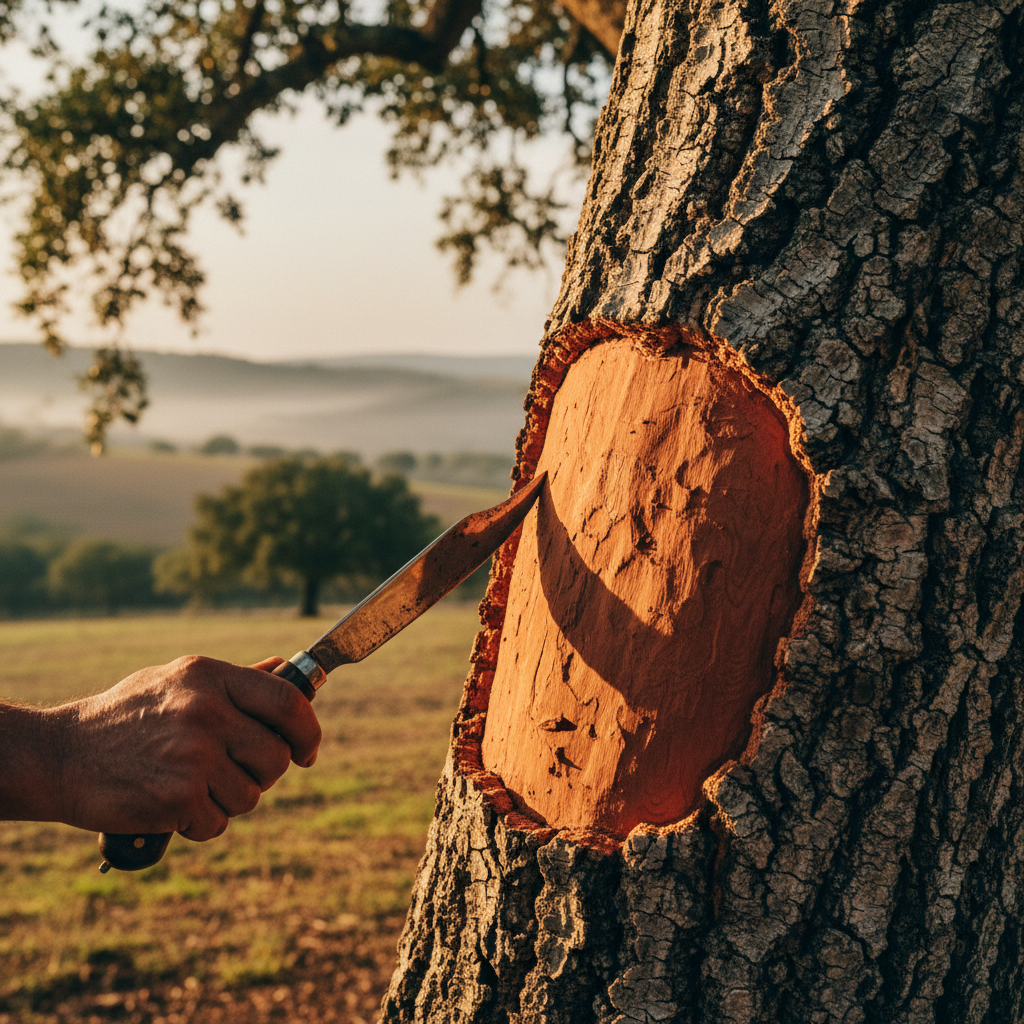
Explore the ancient cork forests and granite fortresses of the Alentejo highlands, a region where sustainable heritage and noble landscapes converge in sophisticated harmony.
The landscape of the Alentejo region, particularly as one ascends toward the northern highlands of the Serra de São Mamede, offers a visual narrative unlike any other in Southern Europe. Here, the rolling plains transform into a rugged, high altitude terrain where the air is noticeably cooler and the flora more diverse. At the heart of this ancient ecosystem stands the Quercus suber, the cork oak tree. This resilient evergreen is not merely a botanical specimen; it is the cornerstone of a sophisticated heritage that has sustained the Portuguese economy and identity for centuries.
For the discerning traveler, a journey through these noble forests represents an invitation to witness a slow, deliberate rhythm of life. The Alentejo highlands provide a backdrop of profound stillness, where the golden hues of sun bleached grasses contrast with the deep greens of the forest canopy and the burnt sienna of recently harvested trunks. It is a region where nature and human ingenuity have reached a rare and enduring equilibrium.
## The Soul of the Alentejo: Understanding the Cork Oak
Portugal produces over fifty percent of the world’s cork, and the majority of this yield originates in the Alentejo. The cork oak is a protected species, shielded by strict national laws that reflect its immense cultural and ecological value. Unlike other forms of forestry, the cork industry is remarkably sustainable. The trees are never felled for their bark; instead, they are carefully stripped by hand, a process that allows the tree to regenerate its protective layer over the course of nine to ten years.
In the highlands, the trees grow amidst granite outcrops and hidden valleys. This specific microclimate produces cork of exceptional density and quality. To walk through these groves is to observe a living timeline. Each tree is marked with a single white digit, indicating the last year it was harvested. A tree marked with a "4" was last stripped in 2024 and will not be touched again until 2033. This patient cycle creates a landscape that feels eternal, untouched by the frantic pace of modern industrialization.
## The Art of the Harvest: The Blade and the Hand
The harvest, or "descortiço," takes place during the height of summer, typically between May and August, when the heat allows the sap to flow and the bark to pull away from the trunk without causing damage to the living wood beneath. It is a task that defies mechanization. The "tiradores" (cork harvesters) use traditional hand axes with long, slender handles and razor sharp blades.
The skill required is immense. A single misplaced blow could wound the tree, inviting disease or stunted growth. The harvesters must feel the resistance of the wood through the handle of the axe, knowing exactly where the bark ends and the tree begins. This choreography of precision and strength has been passed down through generations, ensuring that the Alentejo highlands remain a bastion of artisanal excellence.
While the harvest is a seasonal event, the evidence of this noble craft is visible year round. The stripped trunks, glowing with a vibrant reddish orange color, eventually darken to a deep chocolate brown as the new bark begins its decade long growth.
## Beyond the Groves: The Architecture of the Highlands
The Alentejo highlands are home to some of Portugal’s most fortified and evocative settlements. The cork forests often serve as a prelude to the dramatic arrival at towns like Marvão or Castelo de Vide. Marvão, perched atop a granite crag nearly 900 meters above sea level, offers a panoramic view of the vast forest canopy stretching toward the Spanish border.
### Marvão: The Eagle’s Nest Walking through the narrow, whitewashed streets of Marvão, one feels the weight of history. The medieval walls encircle a village that has remained virtually unchanged for centuries. From the castle ramparts, the sight of the cork forests below provides a sense of the scale of this ecosystem. The granite used to build these fortifications often mirrors the natural outcrops found within the groves, creating a seamless transition between the built environment and the natural world.
### Castelo de Vide: The Sintra of the Alentejo Nearby, Castelo de Vide offers a softer, more verdant aesthetic. Known for its thermal springs and one of the best preserved Jewish Quarters in Portugal, the town is surrounded by lush vegetation that thrives in the highland moisture. Here, the cork oak shares the landscape with chestnut trees and ancient olive groves, creating a rich tapestry of textures and scents.
## The Premium Experience: Slow Travel in the High Alentejo
Engaging with the Alentejo highlands requires a departure from the typical tourist routes. It is a destination for those who appreciate the nuances of terroir and the stories behind the products we often take for granted.
### The Gastronomy of the Forest The influence of the cork forest extends to the table. The Alentejo is famous for its "Porco Preto" (Black Iberian Pig), which roams freely through the "montado" (the cork oak meadows), feeding on acorns. This diet gives the meat a distinct, nutty flavor and a marbled texture that is prized by gourmets worldwide. When visiting local establishments in the highlands, guests often find these flavors paired with robust regional red wines, many of which are aged under the very cork harvested from the surrounding hills.
### Artisanal Craftsmanship In addition to wine stoppers, cork is used by high end designers for everything from fashion to architectural insulation. In the small workshops scattered throughout the region, one can find exquisite items crafted from "cork leather," a material that is surprisingly soft, durable, and water resistant. Observing the transformation of raw bark into a sophisticated accessory is a highlight for many visitors interested in sustainable fashion.
## Planning Your Journey to the Highlands
The Alentejo highlands are best visited during the spring (March to May) when the wildflowers are in bloom, or the autumn (September to November) when the air is crisp and the light is particularly beautiful for photography. Summer offers the chance to see the harvest in action, though temperatures can be significant during the midday hours.
### Transportation and Access Given the winding mountain roads and the remote nature of the best cork groves, private transportation is the most refined way to explore the region. Having a professional driver allows guests to focus on the scenery rather than navigating, and provides the flexibility to stop at hidden viewpoints or small village squares that are inaccessible to larger tour groups.
### Recommendations for the Discerning Traveler * **Allocate Time:** Do not rush the Alentejo. The beauty of the highlands lies in the quiet moments. Spend at least two full days in the area to truly absorb the atmosphere. * **Dress Appropriately:** Even in summer, the highlands can be cooler than the plains. Comfortable walking shoes are essential for exploring the cobbled streets of Marvão and the forest paths. * **Engage with Locals:** While English is widely spoken in premium establishments, a few words of Portuguese will open doors to deeper cultural exchanges in the smaller villages.
## A Legacy Preserved
The cork heritage of the Alentejo is a testament to the idea that progress does not always require the abandonment of tradition. By maintaining these forests, Portugal protects its biodiversity, supports rural communities, and provides the world with a truly sustainable material. To stand among these ancient oaks is to feel a connection to a cycle of life that predates the modern world, a cycle that continues to thrive through the careful balance of the bark and the blade.
Exploring this region offers more than just a sightseeing opportunity; it provides a profound sense of place. Whether you are gazing out from the walls of a mountain fortress or watching the sunlight filter through the canopy of a quiet grove, the Alentejo highlands leave a lasting impression of nobility, resilience, and quiet elegance.
## Discover the Highlands with Portugal Magik
Experience the majesty of the Alentejo forests with the comfort and expertise that only 14 years of dedicated service can provide. Portugal Magik offers a sophisticated way to traverse these high altitude landscapes, utilizing an exclusive fleet of Mercedes-Benz vehicles. Our professional English-speaking drivers are dedicated to discerning international travelers seeking premium experiences, ensuring every detail of your journey is handled with care and discretion.
From the door-to-door convenience of our E-Class, V-Class, and Sprinter vehicles to the deep local knowledge of our team, we provide a seamless bridge to the heart of Portuguese heritage.
Speak with our team and discover how to turn this experience into reality. Request your personalized proposal today.