The Art of the Aristocratic Table: A Private Journey into Portugal’s Palatial Dining Traditions and Royal Etiquette
By Portugal Magik · Published 2026-04-25
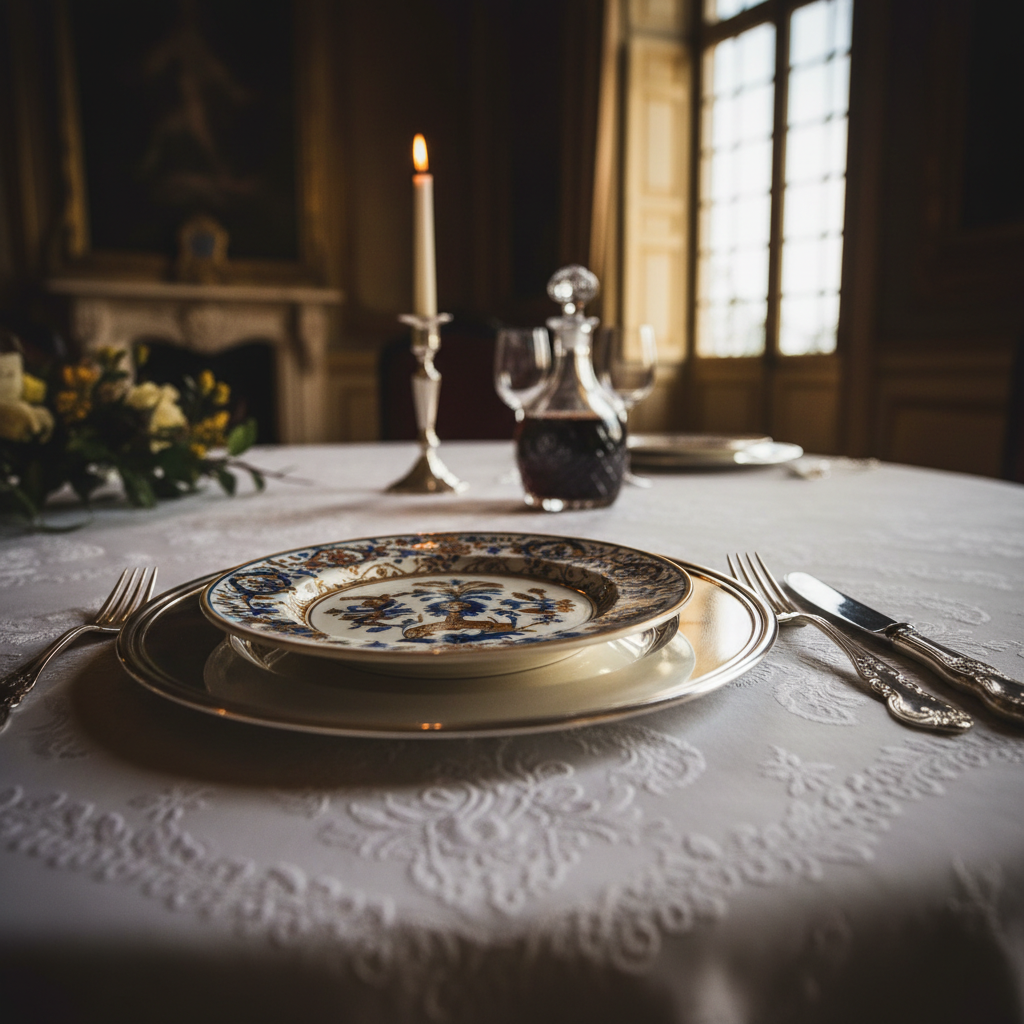
Discover the refined world of Portuguese noble dining, from Royal etiquette and Vista Alegre porcelain to the heritage estates of Sintra and the Douro Valley.
To understand Portugal is to understand its legacy of grandeur. Beyond the sun-drenched coastlines and the cobblestoned alleys of Lisbon lies an intangible heritage, a world of refined rituals, ancestral estates, and the sophisticated art of the table. For the discerning traveler, the Portuguese palatial tradition offers a window into a past where dining was not merely a meal, but a choreographed symphony of etiquette, craftsmanship, and culinary excellence.
For over a millennium, the Portuguese nobility and royalty cultivated a lifestyle of understated elegance. Today, this heritage remains preserved in many of the country’s private estates and historic manors, where the traditions of the aristocratic table are still honored with the same meticulous attention to detail that once graced the halls of the Palácio Nacional da Ajuda or the summer retreats of Sintra.
## The Architecture of the Elegant Table
The foundation of any high-end Portuguese dining experience is the physical arrangement, the *mise en scène*. In the great houses of the Alentejo or the solar estates of the Douro Valley, a dining table is a canvas of national history.
### The Finest Porcelains and Crystals Portugal has long been home to some of the world’s most prestigious manufacturers of tableware. Vista Alegre, founded in 1824, remains the gold standard for porcelain. To dine at a premier Portuguese table is to encounter hand-painted plates that reflect centuries of artistic evolution, from neoclassical motifs to intricate floral patterns inspired by the Age of Discovery. These are often paired with the exquisite hand-blown glassware of Atlantis, where the clarity of the crystal enhances the deep hues of a vintage Port or a crisp Vinho Verde.
### The Silver and the Linens Silverware in Portugal is often an heirloom affair. Weighty, polished silver, sometimes bearing a family crest, is laid out with mathematical precision. This is complemented by the world-renowned linens of the north. Hand-embroidered tablecloths from Madeira or refined damasks from Guimarães provide a tactile sense of heritage, grounding the dining experience in a tradition of manual mastery that machine-made textiles can never replicate.
## Royal Etiquette: The Choreography of Service
To participate in an aristocratic Portuguese dinner is to observe a set of unspoken rules that have governed European high society for centuries. While the atmosphere is warm, reflecting the natural hospitality of the Portuguese people, the service is characterized by a silent, seamless professionalism.
### The Continental Influence Portuguese royal etiquette was heavily influenced by both the French *service à la russe*, where dishes are brought sequentially to the table, and the older *service à la française*. In modern high-end settings, the emphasis is on discretion. A professional attendant ensures that glasses are never empty and plates are replaced without interrupting the flow of conversation.
### The Art of Conversation In the aristocratic tradition, the table is a forum for intellectual exchange. The pace of the meal is intentionally slow, allowing for the appreciation of each course and the deepening of social or familial bonds. This "slowness" is perhaps the ultimate premium experience in our modern, fast-paced world, the gift of time and focused attention.
## A Menu of Nobility: Gastronomy with Pedigree
The flavors found at a palatial Portuguese table are a testament to the country’s vast colonial reach and its intimate connection to the land and sea.
### Start with the Sea High-end Portuguese gastronomy invariably begins with the freshest catch. However, in a formal setting, these are elevated beyond simple preparations. Think of *Lagosta suada* (steamed lobster) prepared with a delicacy that respects the ingredient, or subtle seafood bisques served in silver tureens.
### Game and Estate-Grown Produce The main courses often reflect the traditions of the hunt and the bounty of the estate’s own lands. Roasted lamb from the hills, venison, or the famed black Iberian pork (*Porco Preto*) are staples of the aristocratic menu, often accompanied by rare varieties of mushrooms, truffles, and greens grown in the manor’s kitchen gardens.
### The Conventual Sweets: A Royal Finish No Portuguese meal of significance ends without *Doçaria Conventual*. These egg-and-sugar-based masterpieces were originally crafted by nuns in convents, often under the patronage of the nobility. Desserts like *Toucinho do Céu* or *Pudim Abade de Priscos* are rich, gold-hued delicacies that represent the height of historical indulgence.
## Exploring the Estates: Destinations of Distinction
To truly immerse oneself in these traditions, one must travel to the heart of Portugal’s noble regions.
1. **Sintra:** Known as the "Hill of the Moon," this UNESCO World Heritage site is a collection of palaces and manors. Dining here, surrounded by the mist-covered forests and romantic architecture, feels like stepping into a 19th-century novel. 2. **The Douro Valley:** Home to the oldest demarcated wine region in the world, the Douro is dotted with *Quintas* (estates) belonging to families who have produced wine for centuries. A dinner here, overlooking the terraced vineyards, is the pinnacle of refined rural living. 3. **The Alentejo:** This region is home to vast estates and fortified manor houses. The Alentejo aristocratic tradition is one of rustic elegance, large, airy dining halls, high ceilings, and some of the finest olive oils and wines in the world.
## Planning Your Private Heritage Journey
Engaging with Portugal’s aristocratic traditions requires more than a simple reservation; it requires access to private worlds often closed to the general public.
- **Timing:** The most sought-after experiences often coincide with harvest seasons (September/October in the Douro) or the clear, bright springs of Central Portugal. - **Attire:** In these settings, "smart elegant" is the baseline. Out of respect for the heritage of the venues and the families hosting, guests often opt for more formal attire for evening meals. - **Transport:** Arriving at a grand estate requires transport that matches the occasion. Navigating the narrow lanes of Sintra or the winding roads of the Douro is best left to professional drivers who understand the nuances of the terrain and the importance of a punctual, dignified arrival.
## Experience the Legacy with Portugal Magik
For fourteen years, Portugal Magik has been dedicated to discerning international travelers seeking premium experiences that go beyond the typical. We understand that true discovery lies in the details, the vintage of the wine, the history of the house, and the seamless transition from one destination to the next.
Our exclusive fleet of Mercedes-Benz E-Class, V-Class, and Sprinter vehicles ensures your journey through the landscapes of the Portuguese nobility is as comfortable as it is sophisticated. Our professional English-speaking driver-guides are more than just navigators; they are your liaisons to the hidden corners of Portuguese culture, ensuring that every moment of your journey is curated to your personal tastes.
Whether you wish to dine in a private palace in Sintra or explore the ancestral cellars of the Douro, we provide the expertise and the atmosphere required for a truly memorable exploration of Portugal’s royal heritage.
**Reach out to our team today to begin crafting your bespoke itinerary into the heart of Portugal’s palatial traditions.**