The Art of the Anchorage: A Private Connoisseur’s Guide to the Aristocratic Mansions and Maritime Nobility of Olhão and Faro
By Portugal Magik · Published 2026-07-01
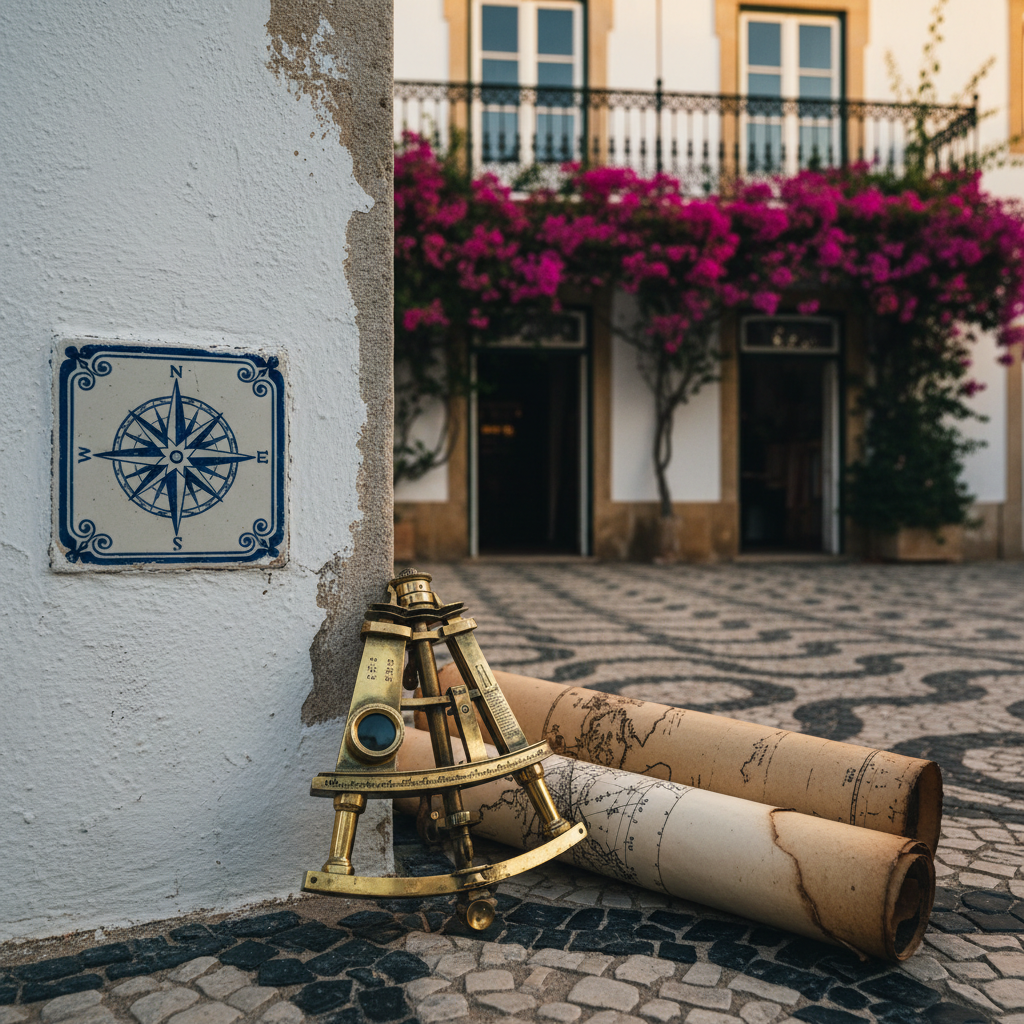
Explore the sophisticated heritage of Faro and Olhão, where aristocratic palaces meet the unique cubist architecture of Portugal’s maritime elite.
The eastern reaches of the Algarve offer a stark and beautiful contrast to the bustling resort towns of the west. Here, where the salt marshes of the Ria Formosa meet the Atlantic, a refined sense of history prevails. To explore the cities of Faro and Olhão is to peel back layers of maritime influence, from the aristocratic vestiges of the regional capital to the cubist, Moorish-style mansions of the eastern coast’s most important fishing port. This is a region defined by the sea, not merely as a source of industry, but as the foundation of a sophisticated social fabric that remains visible in the architecture and atmosphere of its historic centers.
For the discerning traveler, the journey through these two cities reveals a narrative of resilience and refinement. While Faro serves as the stately gateway, the custodian of clerical and administrative elegance, Olhão provides a more avant-garde architectural rhythm, born from the wealth of a global canning industry and a seafaring spirit that once defied empires.
## The Stately Allure of Faro: A Bastion of Aristocratic Heritage
Faro is an enclave of quiet sophistication. Often overlooked by those rushing toward the beach, the city’s historic core, the Vila Adentro, is a treasure trove of neoclassical and baroque architecture. Entering through the Arco da Vila, a monumental archway commissioned by Bishop Francisco Gomes do Avelar, one is immediately struck by a sense of order and institutional grace.
### The Episcopal Palace and the Cathedral Square
The Largo da Sé is the crown jewel of Faro’s noble heritage. Surrounded by orange trees that scent the air with a delicate fragrance in the spring, the square is dominated by the Cathedral and the Episcopal Palace. This palace, with its late sixteenth-century origins, represents the height of clerical nobility. Its interiors are a masterclass in the decorative arts of the period, featuring expansive collections of seventeenth and eighteenth-century tiles (azulejos) and rare libraries that highlight the city’s status as a center of enlightenment.
To walk these streets is to understand the "Style of the Plain," a Portuguese architectural movement that favored sobriety and proportion over the exuberant ornamentation found in Spain or Italy. This restrained elegance is what gives Faro its distinct, timeless character.
### The Palatial Residences of the Faro Elite
Beyond the cathedral walls, the city is dotted with former noble residences that speak to a time when Faro was a vital hub for trade and administration. The Solar do Capitão-Mor is a prime example of an urban manor house, showcasing how the local elite integrated defensive needs with high-end residential aesthetics. These buildings, with their intricately carved stone doorways and high ceilings, now often serve as museums or administrative centers, yet they retain the aura of the families who once governed the southern kingdom of the Algarve.
## Olhão: The Cubist Gateway to Maritime Wealth
A short drive eastward brings a dramatic shift in perspective. If Faro is the city of stone and tradition, Olhão is the city of light and geometry. Often referred to as the "Cubist City" due to its unique North African influenced architecture, Olhão rose to prominence not through ancient nobility, but through the maritime prowess of its merchant class.
### The Architecture of the Sea Captains
The historic center of Olhão, particularly the neighborhoods of Barreta and Levante, features a labyrinth of narrow streets lined with "poiais" (stone benches) and topped with "açoteias" (flat roof terraces). These terraces were not merely aesthetic; they served as vantage points for the wives of sea captains to watch for returning vessels.
The most impressive residences in Olhão belong to the late nineteenth and early twentieth centuries. During this era, the booming canning industry created a new class of "maritime nobility." These industrial magnates built ornate mansions adorned with Art Nouveau tiles, elaborate wrought-iron balconies, and high decorative parapets. These buildings stand as monuments to a period when Olhão was one of the wealthiest ports in the country, a place where innovation met the unpredictable fortunes of the sea.
### The Markets and the Waterfront
The Mercado de Olhão, composed of two iconic red-brick buildings designed at the turn of the twentieth century, represents the beating heart of the city’s maritime identity. While the markets are a place of daily commerce, their architectural significance cannot be overstated. They are a testament to the industrial heritage of the region, designed with a functional elegance that has become the city’s most recognizable silhouette. Strolling along the waterfront, one observes the interplay between the rugged fishing fleet and the refined promenade, a juxtaposition that defines the Olhão experience.
## The Ria Formosa: A Natural Extension of Nobility
One cannot truly understand the "Art of the Anchorage" without acknowledging the Ria Formosa Natural Park. Both Faro and Olhão are tethered to this intricate system of lagoons and barrier islands. For centuries, the wealth of these cities was harvested from these waters. Today, the park serves as a sanctuary of tranquility.
While the cities offer architectural narratives, the Ria Formosa offers a sensory one. The shifting blues of the channels, the white sands of the Deserta and Culatra islands, and the sight of traditional salt pans create a landscape that feels inherently exclusive. It is a place where the pace of life slows, allowing for a deeper connection with the coastal environment that shaped the Algarve’s history.
## Planning Your Journey: Practical Considerations for the Connoisseur
Exploring the eastern Algarve requires a measured pace and an appreciation for detail. While the region is accessible year-round, the transition seasons of spring and early autumn offer the most pleasant climate for walking tours through the historic centers.
### Navigation and Access
Faro and Olhão are located approximately fifteen minutes apart by road, making it possible to experience both in a single, well-paced day. Parking in the historic centers can be challenging; therefore, arriving with a dedicated driver allows for a seamless transition between the sites. In Faro, the Vila Adentro is largely pedestrianized, inviting guests to explore on foot. In Olhão, the waterfront provides ample space for strolling, though the most interesting architectural details are hidden within the narrow "becos" (alleys) of the old quarter.
### Culinary Context
The gastronomy of this region is deeply rooted in the ocean. In Faro, one can find refined interpretations of Algarvian classics in the shaded courtyards of the old town. In Olhão, the focus remains on the purity of the ingredients, particularly the shellfish harvested from the Ria Formosa. While many international travelers seek out high-end dining, the true connoisseur knows that the quality of the seafood in this corner of the world is a premium experience in its own right.
## Discover the Eastern Algarve with Portugal Magik
To truly capture the essence of Faro’s aristocratic past and Olhão’s maritime legacy, the journey should be as refined as the destination. Navigating the nuances of the Algarve is best achieved through the lens of local expertise and the comfort of a private, professional service.
Portugal Magik, with over fourteen years of experience dedicated to discerning international travelers, offers the ideal way to explore this region. Our fleet of Mercedes-Benz vehicles, including the elegant E-Class and the spacious V-Class, ensures that your transit between the historic landmarks is as comfortable as it is stylish. Our professional English-speaking drivers provide more than just transportation; they offer the logistical ease required to fully immerse yourself in the culture and history of the Algarve without the distractions of navigation or scheduling.
From the door-to-door service to the flexibility of a private itinerary, we ensure that your time in Faro and Olhão is spent focusing on the beauty of the architecture and the richness of the maritime heritage.
Whether you are drawn to the quiet corridors of Faro’s noble palaces or the sun-drenched terraces of Olhão’s maritime mansions, the eastern Algarve awaits those who seek a deeper connection to Portugal’s coastal soul.
Speak with our team and discover how to turn this experience into reality.