Algarve in Winter: Things to Do Beyond the Beach
By Portugal Magik · Published 2026-10-09
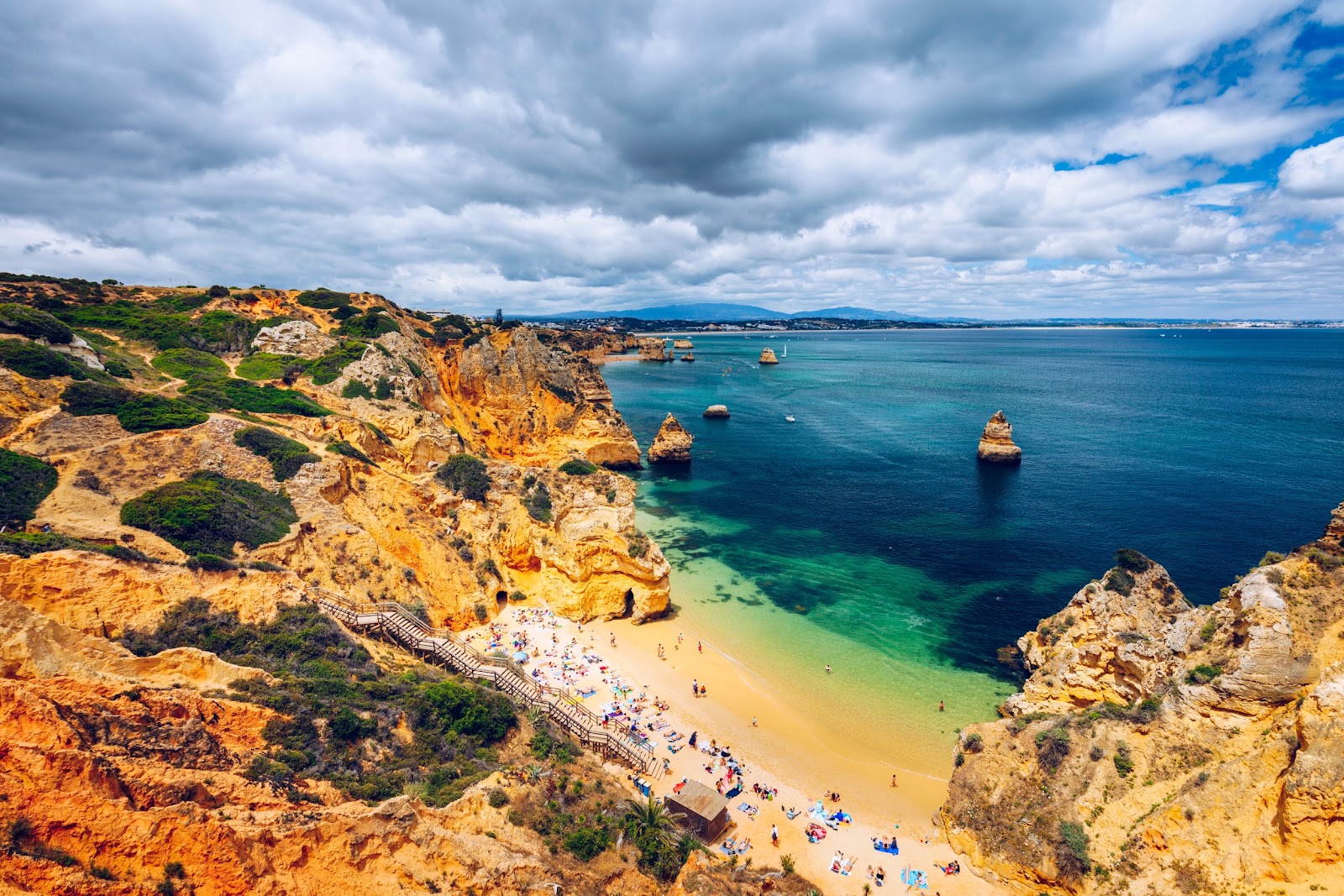
Discover the Algarve in winter, from historic Moorish towns and mountain retreats to dramatic cliffs and seasonal seafood, all without the summer crowds.
While most people picture the Algarve as a summer destination filled with sun-seekers and crowded beaches, the winter months reveal a completely different side of the region. From November through March, the pace slows down, the intense heat fades into a mild spring-like warmth, and the scenery turns incredibly green.
For discerning international travelers, this is often the best time to visit. You can explore historic towns without the crowds, enjoy the dramatic coastline in peace, and discover a culture that is often hidden behind the summer tourism rush. The Algarve in winter is not about swimming; it is about history, nature, and the authentic Portuguese way of life.
## The Winter Climate: What to Expect
The Algarve boasts one of the mildest winter climates in Europe. You can typically expect daytime temperatures to hover between 15°C and 18°C (59°F to 64°F). While you might encounter a few rainy days, they are usually followed by bright blue skies and crisp air.
It is the perfect weather for walking, sightseeing, and outdoor dining during the afternoon. You will need a jacket for the evenings when the temperature drops, but the daytime sun is often warm enough for a light sweater or even a t-shirt.
## Exploring Historic Algarve Towns
Without the summer heat making a walk through town exhausting, winter is the ideal time to delve into the history of the region.
### Faro: The Understated Capital
Many visitors bypass Faro on their way to resort towns, but the capital has a beautiful historic center (Vila Adentro) tucked behind ancient walls. Walking through the neoclassical Arco da Vila and wandering the cobblestone streets leads you to the Faro Cathedral. The view from the top of the cathedral tower provides a stunning panorama of the Ria Formosa natural park and the city rooftops.
### Tavira: The City of Churches
Often called the most beautiful town in the Algarve, Tavira is a masterpiece of Roman and Moorish heritage. In winter, the Roman Bridge (Ponte Antiga sobre o Rio Gilão) is a peaceful spot to watch the river flow. With over 30 churches, a ruined castle with a hidden garden, and traditional houses with "tesoura" (scissor) roofs, Tavira feels like a step back in time.
### Silves: The Ancient Moorish Capital
Located inland, Silves was once the capital of the Moorish Kingdom of the Algarve. Its red sandstone castle dominates the skyline and is one of the best-preserved fortifications in the country. In the quiet of winter, you can walk the ramparts and look out over the surrounding orange groves, which are heavy with fruit during this season.
## Savoring the Winter Flavors
The Algarve's culinary scene changes in the winter. While grilled sardines are the stars of summer, the colder months bring out heartier, more traditional dishes.
### The Season of Oranges and Almonds
The Algarve is famous for its citrus. In winter, the trees are bright with ripe oranges, and you will find fresh juice everywhere. By late January or early February, the landscape turns white and pink as the almond trees begin to blossom. It is one of the most beautiful natural sights in Portugal.
### Traditional Seafood Stews
Winter is the time to try a "Cataplana." Named after the copper clam-shaped pot it is cooked in, this dish is a rich stew of fish, shellfish, tomatoes, and herbs. It is a warm, comforting meal that represents the soul of the Algarve coast. You might also find "Arroz de Lingueirão" (razor clam rice), a local specialty particularly popular around the eastern Algarve.
## Nature and Landscapes
The natural beauty of the Algarve is much more vibrant in winter. The rains turn the hillsides green, and the wild flowers begin to bloom much earlier than in northern Europe.
### The Dramatic Cliffs of Sagres and Lagos
At the southwestern tip of Europe lies Sagres. In winter, the Atlantic Ocean is at its most powerful. Watching the massive waves crash against the towering cliffs at Cape Saint Vincent (Cabo de São Vicente) is a humbling experience. Nearby in Lagos, the Ponta da Piedade rock formations are much easier to admire when you aren't sharing the narrow paths with hundreds of other tourists.
### Birdwatching in Ria Formosa
The Ria Formosa Natural Park is a labyrinth of lagoons and islands. In winter, it becomes a major stopover for migratory birds. You can see flamingos, spoonbills, and various species of waders. The air is fresh, and the light over the lagoons during sunset is a photographer's dream.
### The Monchique Mountains
For a change of scenery, head inland to the Serra de Monchique. This mountain range is the highest point in the Algarve. The air is cooler here, and the landscape is filled with eucalyptus and cork oak trees. The town of Monchique is famous for its thermal springs (Caldas de Monchique) and its medronho, a potent traditional fruit brandy made from the berries of the arbutus tree.
## Practical Information for Winter Visitors
If you are planning a winter escape to the Algarve, here are a few things to keep in mind:
1. **Opening Hours:** Some smaller seaside restaurants and shops in purely seasonal resorts may close for the winter. However, in larger towns like Faro, Lagos, Tavira, and Loulé, everything remains open as these are year-round communities. 2. **Transportation:** While public transport exists, it can be infrequent between smaller villages. Having a private driver allows you to see multiple towns and viewpoints in a single day without worrying about schedules or parking. 3. **Accommodation:** Many high-end hotels offer excellent rates during the winter months. It is a great time to enjoy premium facilities at a more relaxed pace. 4. **Markets:** Visit the Loulé municipal market on a Saturday morning. It is a vibrant hub of local life where you can buy dried figs, local honey, and handmade baskets.
## Why a Private Tour Makes the Difference
Traveling through the Algarve in winter is about discovery. The region is spread out, and many of the most interesting sites, like the mountain villages or the hidden chapels in the countryside, are not easily accessible by train or bus.
Choosing a private tour service provides the comfort and flexibility to explore at your own speed. With a professional English-speaking driver and a high-end Mercedes-Benz vehicle, you can transition seamlessly from a seaside cliff to a mountain peak, all while staying warm and relaxed. You have the freedom to stop for a photo whenever the light hits the cliffs just right, or to stay a little longer at a local bakery in a quiet village.
## Conclusion
The Algarve in winter is a secret waiting to be discovered. It is a place of deep blue skies, golden cliffs, green mountains, and incredibly warm hospitality. Away from the summer crowds, you can truly connect with the history and the natural beauty of this southern Portuguese gem.
Whether you want to explore the Moorish history of Silves, breathe in the salty air at Cape Saint Vincent, or simply enjoy a long lunch overlooking the Ria Formosa, the winter months provide a peaceful and sophisticated backdrop for your journey.
If you are ready to experience the authentic side of the south, we are here to help. Our team provides dedicated support for discerning international travelers seeking premium experiences across Portugal.
Request your personalized proposal today and discover how to turn this experience into reality.