Afternoon Snacks in Portugal: What to Order for Lanche
By Portugal Magik · Published 2026-10-09
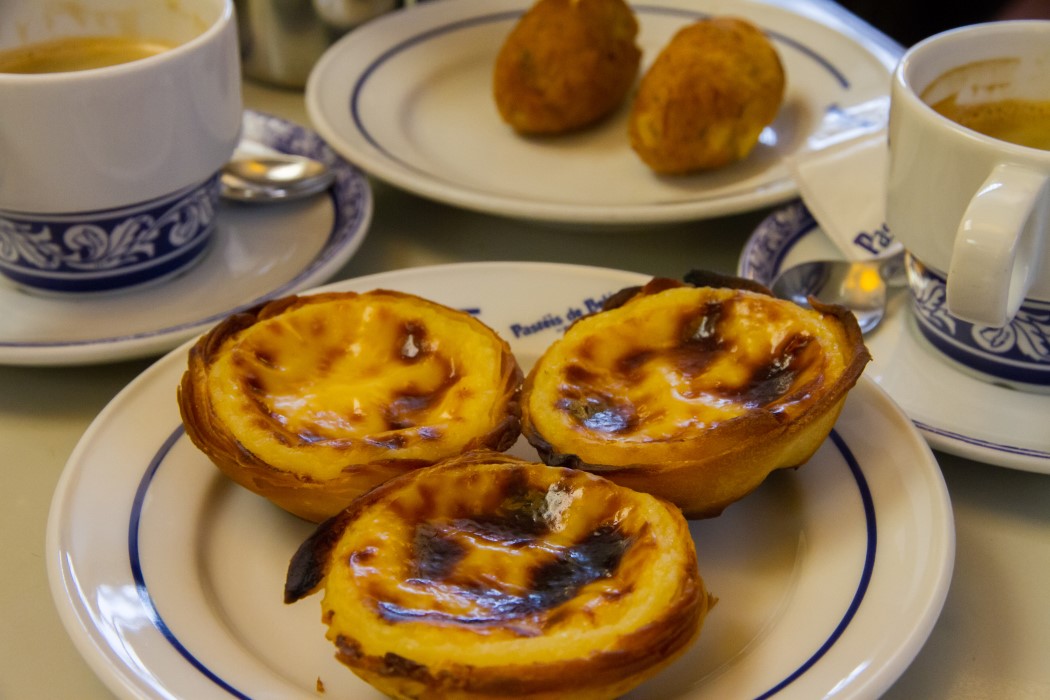
Discover the delicious ritual of the Portuguese 'lanche'. Learn what sweet and savory treats to order, from Pastéis de Nata to Tosta Mistas, for the perfect afternoon break.
If you are traveling through Portugal, you will quickly notice a charming local habit that takes place every day between 4:00 PM and 6:00 PM. While the rest of the world might be pushing through the final hours of the workday, the Portuguese are heading to their favorite pastelaria (pastry shop) or padaria (bakery). This mid-afternoon ritual is called lanche.
Lanche is more than just a snack. It is a social pause, a moment to reset before the evening, and a vital part of the daily rhythm. Portuguese dinners often start late, rarely before 8:00 PM, so this afternoon break is essential to bridge the gap. Whether you prefer something sweet, savory, or a combination of both, understanding what to order will make you feel like a local.
## The Heart of the Lanche: The Portuguese Pastelaria
To experience a true lanche, you need to find a pastelaria. In every neighborhood, from the grand avenues of Lisbon to small villages in the Alentejo, these establishments serve as community hubs. You will see polished glass counters filled with dozens of different pastries, stacks of fresh bread, and the constant hum of a high-pressure espresso machine.
The atmosphere is usually informal and lively. People stand at the counter for a quick bite or sit at small tables for a longer conversation. The menu is rarely printed in full; instead, the selection is displayed right in front of you.
## The Sweet Classics
Portugal is famous for its confectionery, much of which originated in convents centuries ago. These sweets often rely heavily on egg yolks and sugar, creating rich, comforting flavors.
### Pastel de Nata The most iconic of all Portuguese treats. While it is often eaten at breakfast, it is a staple for lanche. A crisp, flaky puff pastry shell filled with a creamy custard, usually scorched on top. Locals often sprinkle it with cinnamon or powdered sugar. It is best enjoyed while still slightly warm from the oven.
### Bola de Berlim This is the Portuguese version of a doughnut. It is a large, sugar-dusted fried dough ball, usually sliced sideways and filled with a thick, yellow egg cream (creme de pastelão). While these are incredibly popular at the beach in the summer, you will find them in every pastry shop year-round.
### Guardanapo Named after the Portuguese word for napkin, this is a soft, square sponge cake folded over a layer of egg jam. It is simple, light, and a perfect companion to a cup of tea or a coffee.
### Queijada These are small, firm tarts made with cheese or curd, sugar, and flour. The most famous versions come from Sintra, but you will find different regional variations across the country. They are less creamy than a pastel de nata and have a lovely, dense texture.
## Savory Options for a Hearty Snack
If you do not have a sweet tooth, the savory side of the counter is just as impressive. These items are often referred to as salgados (salties).
### Empada de Galinha These are small, circular chicken pies. The crust is usually shortcrust pastry, and the filling is a savory mixture of shredded chicken, sometimes with a bit of onion and spices. They are portable, satisfying, and very traditional.
### Rissol de Camarão A half-moon shaped breaded pastry filled with a creamy shrimp sauce. You might also find versions filled with meat (carne) or fish (peixe). These are typically served at room temperature in pastry shops.
### Pastel de Bacalhau You cannot talk about Portuguese food without mentioning salt cod. These fritters are made from a mixture of cod, potatoes, eggs, parsley, and onion. They are shaped into ovals using two spoons and then deep-fried until golden and crispy.
### Pão com Chouriço This is a simple but delicious choice. It is a bread roll baked with slices of Portuguese chorizo inside. As the bread bakes, the fats and spices from the sausage soak into the dough. It is a rustic, smoky, and filling snack.
## The "Mista" Culture: Sandwiches and Toasts
Sometimes a small pastry is not enough. If you are feeling hungrier, the Portuguese have mastered the art of the simple sandwich.
### Torrada Portuguese bread is exceptional, and torrada (toast) is a lanche favorite. These are usually thick slices of farmhouse bread, toasted and slathered with a generous amount of salted butter on both sides. It is often served in three tall vertical strips.
### Tosta Mista This is a classic ham and cheese toastie. What makes the Portuguese version stand out is the bread (often a large, crusty loaf) and the fact that it is pressed until thin and crispy, with butter brushed on the outside of the bread. It is simple comfort food at its best.
### Merenda or Lanche Misto In many bakeries, you will see a rectangular brioche-style bread filled with ham and cheese and baked in the oven. This is a very common grab-and-go option for students and office workers during their break.
## What to Drink with Your Lanche
A lanche is never complete without a beverage. The choice usually depends on the time of year and whether you are eating something sweet or savory.
### Coffee (Café) Most locals will order a bica (a simple espresso). However, for a longer afternoon break, you might prefer a galão (a tall glass of mostly warm milk with a shot of espresso) or a meia de leite (a half-milk, half-coffee served in a cup).
### Tea (Chá) Tea is a very common afternoon choice in Portugal. You can ask for a simple black tea (chá preto) or a herbal infusion (infusão). If you want lemon tea, ask for a chá de limão, which is often made with fresh lemon peel and hot water.
### Sumol or Compal If you prefer something cold, look for local brands. Sumol is a sparkling fruit juice (orange or pineapple are the classics), and Compal offers a wide variety of thick, high-quality fruit nectars like pear (pera rocha) or peach.
### Um Copo de Vinho It is perfectly acceptable to have a glass of wine with a savory snack in the late afternoon. A light white wine or a glass of draft beer (imperial) goes very well with a pastel de bacalhau or a tosta mista.
## Regional Variations
As you travel through the country, the lanche options change. In the north, you might find more substantial meat-based snacks like the lanche de carne. In the Alentejo, you will see more focus on sheep cheeses and rustic breads. In coastal areas, seafood-based salgados are more prevalent.
One of the joys of traveling across the mainland is stopping at a local village café and seeing what the specialty of the day is. Often, these small spots have a "house" cake or a specific regional tart that you won't find anywhere else.
## How to Enjoy Lanche Like a Local
To get the most out of this tradition, try to avoid the most crowded tourist spots right in the center of the main squares. Walk a block or two into a residential side street and look for a shop with a simple sign saying "Pastelaria" or "Padaria."
Look at what is displayed in the counter. If something looks fresh and locals are ordering it, give it a try. Do not be afraid to ask for your tosta mista to be "bem torrada" (well toasted) if you like it extra crunchy.
The lanche is a moment of pause. It is a time to look at a map, plan your next stop, or simply watch the world go by. In a fast-paced world, this Portuguese tradition of taking twenty minutes for a coffee and a treat is a habit worth adopting.
## Exploring Portugal with Ease
Navigating the local customs and finding the best hidden gems is much easier when you have a knowledgeable local to guide you. When you are traveling between cities or exploring the countryside, having a private driver allows you to stop at that perfect roadside bakery or hilltop café whenever the craving for a lanche strikes.
Portugal Magik offers premium private tours and transportation across the country. With a fleet of modern Mercedes-Benz vehicles and professional English-speaking drivers, we provide a comfortable and flexible way to see the sights. Our team has 14 years of experience helping visitors discover the authentic side of Portugal, from the most famous monuments to the smallest local traditions.
Speak with our team and discover how to turn this experience into reality.