9 Rivers in Portugal with Surprising Sights, from Ancient Rock Art to Watermills
By Portugal Magik · Published 2026-11-02
Discover Portugal's most stunning waterways, from the prehistoric rock art of the Côa Valley to the hidden Templar castles and ancient watermills that line the country's historic riverbanks.
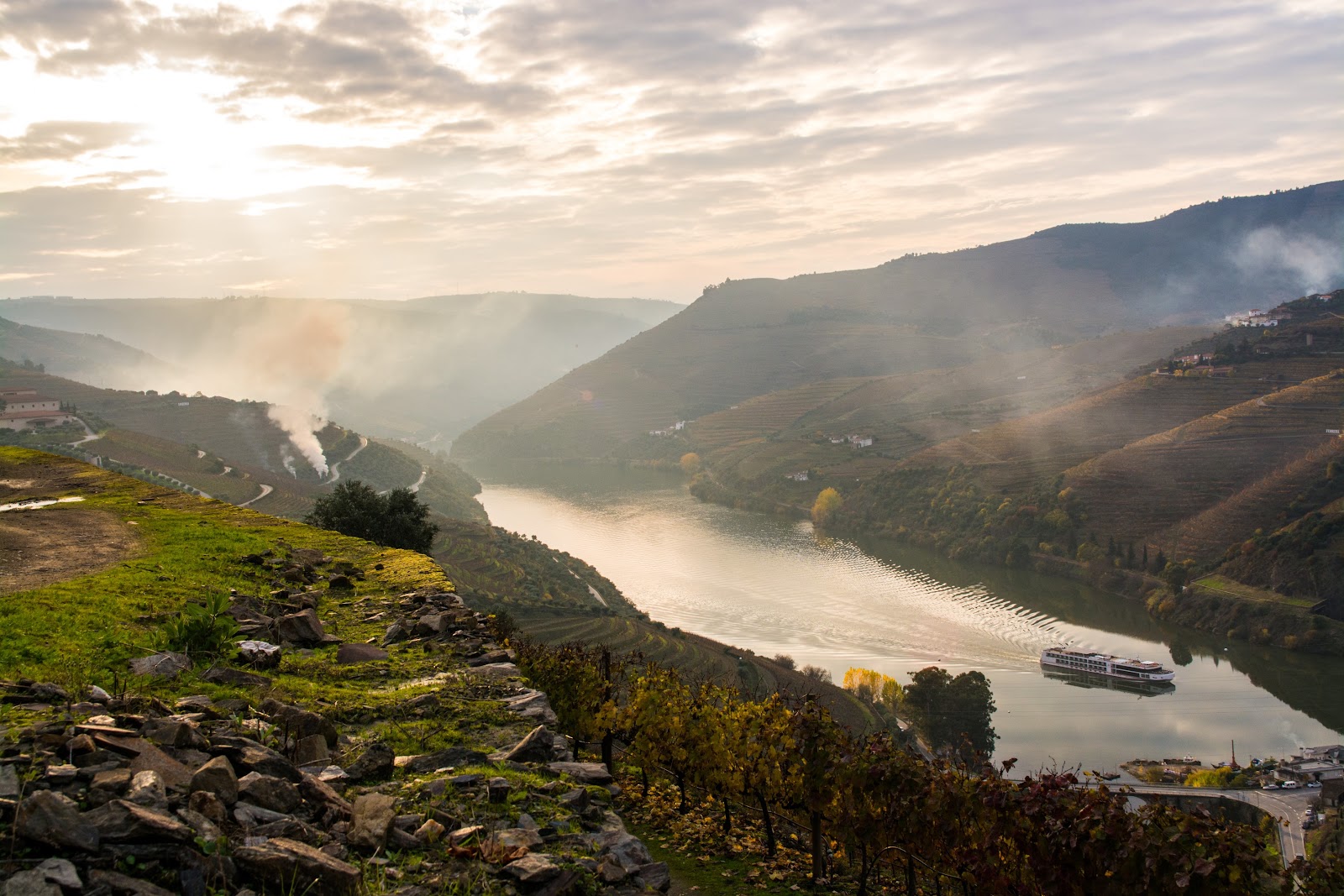
The sun dips low over the Douro Valley, turning the water into a ribbon of liquid bronze. Along the banks, the rows of vines stand like silent spectators, while the distant sound of a rabelo boat engine hums against the granite cliffs. This is the Portugal many travelers know, but the country is crisscrossed by a network of waterways that hold secrets far older than the oldest bottle of Port wine.
From the rugged canyons of the north to the slow, golden curves of the Alentejo, Portugal’s rivers have shaped the history of the land. They have powered ancient mills, protected medieval borders, and acted as galleries for prehistoric artists. Exploring these riverbanks offers a chance to see a different side of the country, away from the coastal crowds and deep into the heart of the landscape.
## The Northern Giants
The north of Portugal is a land of granite and green, where rivers cut deep through the mountains, creating dramatic scenery and providing the lifeblood for world famous vineyards.
### 1. The Douro River The Douro is perhaps the most famous river in the country, and for good reason. As it winds from the Spanish border to the Atlantic at Porto, it carves a valley so steep and beautiful that it has earned UNESCO World Heritage status. The surprising sight here is the sheer scale of human effort, thousands of miles of hand-built stone terraces that hold the vines in place. In the autumn, the hillsides turn shades of fiery red and orange, creating a reflection in the water that looks more like a painting than a landscape.
### 2. The Côa River Branching off from the Douro is the Côa, home to one of the most remarkable archaeological finds in Europe. Here, the landscape is drier and more rugged, but the rocks themselves tell a story that dates back 20,000 years. Along the riverbanks, thousands of engraved figures of horses, bulls, and goats represent a massive outdoor gallery of Paleolithic art. Visiting this area feels like stepping into a time machine, where the silence of the valley is only broken by the sound of the wind and the rushing water below.
### 3. The Minho River Serving as a natural border between Portugal and Spain, the Minho River is a serene, wide waterway lined with historic fortresses. The sight to behold here is the system of traditional fishing nets and the medieval walls of towns like Valença and Monção. The river is often shrouded in a light morning mist that makes the ancient stone fortifications look like something out of a fairytale. It is a peaceful place where the green of the woods meets the cool blue of the water, and the air smells of fresh pine and river salt.
## The Central Heartlands
As you move into the center of Portugal, the rivers become slower and the sights turn toward human ingenuity and the harmony between nature and architecture.
### 4. The Mondego River The Mondego is the longest river that stays entirely within Portuguese territory, and it flows through the historic university city of Coimbra. While the city itself is stunning, the surprising sights are found further upstream near Penacova, where the river narrows and is flanked by ancient watermills. These stone structures, some still standing after centuries, show how the locals once used the power of the current to grind grain. The river here is clear and cold, perfect for watching the local flora and fauna from the shaded banks.
### 5. The Zêzere River This river is famous for its dramatic "Meanders," where the water snakes back and forth in tight loops through the mountains. Near the town of Dornes, you will find a sight that looks almost like a peninsula or an island. A rare pentagonal Templar tower sits on a hilltop overlooking a bend in the river, surrounded by whitewashed houses and deep blue water. It is a quiet, contemplative spot where the reflection of the tower in the Zêzere reminds you of the region’s deep ties to the Knights Templar.
### 6. The Paiva River The Paiva is known as one of the cleanest rivers in Europe, and it flows through a wild, rocky canyon in the Arouca Geopark. The surprising sight here is the sheer geological drama of the Paiva Walkways, a wooden pathway that hugs the cliffs and offers views of roaring waterfalls and quartz deposits. The sound of the water crashing against the rocks is constant, and the air is remarkably fresh. It is a place where you can see the raw power of nature as the river carves its way through the metamorphic rock.
## The Southern Curves
In the south, the rivers slow down even more, flowing through cork forests and past white villages, eventually meeting the sea in the Algarve or the Atlantic coast.
### 7. The Tagus River (Tejo) The Tagus is the longest river in the Iberian Peninsula, and while it is famous for its wide estuary in Lisbon, its most surprising sight is further inland at Almourol. Rising out of the middle of the river on a small, craggy island is the Castle of Almourol. This sandstone fortress, with its crenelated walls and towers, looks like it was plucked from a legend. Seeing the castle glow in the afternoon sun, completely surrounded by water, is one of the most evocative sights in all of Portugal.
### 8. The Guadiana River The Guadiana forms the southern border with Spain, flowing through the rolling hills of the Alentejo. Near the town of Mertola, the river provides a dramatic backdrop to a village that feels more North African than European. The surprising sight is the combination of the medieval castle on the hill and the old river port below, which was once a bustling hub for Romans and Moors. The water here is deep and dark, and the landscape is dotted with wildflowers and ancient olive trees that have seen centuries of history pass by.
### 9. The Arade River The Arade starts in the mountains and winds its way down to the Atlantic at Portimão. The highlight of this river is the town of Silves, where the river was once navigable for large ships. Today, the sight of the massive red sandstone Moorish castle reflected in the Arade is a reminder of the time when this was the capital of the Algarve. As the river flows toward the sea, it passes through salt marshes and wetlands where you can often spot flamingos and other migratory birds resting in the shallows.
## Exploring Portugal’s Waterways
To truly appreciate these rivers, it is best to take your time. Many of these sights are located in rural areas where the roads are winding and the pace of life is slow. While some spots, like the Douro, are well known, others, like the Côa or the Zêzere, remain hidden gems that require a bit more effort to reach.
The best way to see these locations is by road, allowing for stops at small river beaches or local cafes overlooking the water. Each river has its own personality, from the wild rapids of the north to the peaceful, wide stretches of the south. Whether you are interested in the engineering of ancient mills or the mystery of prehistoric art, the rivers of Portugal offer a constant stream of surprises.
## Travel Tips for River Explorers
When planning a trip to see these waterways, keep in mind that the landscape changes significantly with the seasons. Spring is particularly beautiful, as the riverbanks are lush and full of blossoms. In the summer, the rivers become the center of local life, with families gathering at "praias fluviais" (river beaches) to cool off in the heat.
Many of these sights are within reach of major cities but feel worlds apart. For example, the Tagus and its island castle are a perfect day trip from Lisbon, while the Douro and Côa are best explored from a base in Porto or a local vineyard estate.
Exploring the rivers of Portugal is an invitation to slow down and notice the details, the way the light hits the stone of a watermill, or the silence of a valley filled with ancient art. It is a journey through the veins of the country, revealing a history that is literally carved into the landscape.
If you would like to explore these hidden corners and iconic river valleys with the comfort of a private vehicle and an expert guide, we are here to help. At Portugal Magik, we have spent 14 years helping discerning travelers discover the authentic beauty of our country. With our fleet of premium Mercedes-Benz vehicles and professional English speaking drivers, we ensure your journey is as seamless as it is memorable.
Reach out to us to begin planning your journey through the heart of Portugal. Request your personalized proposal today.