9 Food Markets in Portugal for Morning Coffee, Fresh Fish and Local Cheeses
By Portugal Magik · Published 2026-11-06
Discover the heart of Portuguese culture through its vibrant food markets. From Porto's Bolhão to the red domes of Loulé, explore the best spots for fresh fish, regional cheeses, and morning coffee.
Imagine waking up in a sun-drenched Portuguese town where the air smells of salty Atlantic spray and freshly baked bread. You follow a stream of locals carrying woven baskets toward a grand brick building or a bustling open square. Inside, the sound of rhythmic chopping, the calls of fishmongers, and the clinking of espresso cups create a morning symphony. These markets are the true heart of Portuguese life, where the season’s first cherries or the morning’s silver sardines dictate the menu of the day.
For the discerning traveler, visiting a traditional market is more than a shopping trip. It is a sensory immersion into a culture that still prizes the quality of a single tomato and the specific region of a goat cheese. These spaces offer a window into the soul of the country, away from the polished facades of high-end boutiques. Here is a curated selection of nine markets where you can experience the best of Portugal.
## The Northern Icons
### Mercado do Bolhão in Porto After a meticulous renovation, this historic iron and glass structure stands as a testament to Porto’s resilience. The light filters through the high ceilings, illuminating stalls piled high with vibrant greens and heavy bunches of local grapes. You will hear the famous "Pregão," the melodic shouting of the vendors that has echoed here for generations. It is a wonderful place to stand at a small counter, sip a café curto, and watch the city come to life among the scent of fresh flowers and smoked meats.
### Mercado Municipal de Viana do Castelo Located in the elegant Minho region, this market reflects the deep maritime heritage of the north. The fish section is particularly impressive, featuring granite counters topped with shimmering sea bass and octopus caught just hours before. The atmosphere is calm and orderly, reflecting the dignified character of this coastal city. It is worth visiting to see the local women in their traditional scarves selling bundles of turnip greens and the unique, creamy cheeses produced in the nearby lush green hills.
## The Heart of the Capital
### Mercado da Ribeira in Lisbon While half of this famous hall is a bustling food court, the traditional half remains a vibrant hub for Lisbon’s residents. The morning light pours across rows of silver scabbard fish and mounds of bright red peppers, creating a painterly scene. The energy here is infectious, especially in the early hours when the chefs from nearby restaurants arrive to pick the best catch. It serves as a perfect starting point for a day of exploration, offering a high-energy glimpse into the city's culinary backbone.
### Mercado de Alvalade in Lisbon For those who prefer a more local, neighborhood feel, this market in the Alvalade district is a hidden gem. It feels like a village square tucked inside the city, where vendors know their customers by name and the pace is noticeably slower. You can find an incredible variety of wild mushrooms, artisanal honeys, and regional cheeses that are hard to find in more commercial areas. The sound of lively chatter and the smell of roasting coffee from the small perimeter kiosks make it a cozy, authentic experience.
## Coastal Gems and Central Secrets
### Mercado Municipal de Setúbal Often cited as one of the most beautiful markets in the world, this building is decorated with stunning tile panels depicting scenes of fishing and agriculture. The fish market here is legendary, showcasing the incredible biodiversity of the Sado River estuary and the Atlantic. You will see giant tuna, delicate red mullet, and stacks of cuttlefish, which is the local specialty. The bright, airy space and the artistic surroundings make it a premium destination for anyone who appreciates the intersection of food and art.
### Mercado Municipal das Caldas da Rainha This is a rare example of a daily open-air fruit and vegetable market held in a historic square. The colorful umbrellas of the vendors contrast beautifully against the surrounding white buildings and traditional cobblestones. You can smell the sweetness of the famous Rocha pears and see the distinctive ceramics for which the town is known. It is a tactile, earthy experience where you can touch the soil-dusted potatoes and sample sun-ripened stone fruits while enjoying the gentle morning breeze.
### Mercado Municipal de Aveiro Set in the "Venice of Portugal," this market features a striking modern interior housed within a classic facade. The focus here is naturally on the lagoon and the sea, with eels and cockles taking center stage alongside the salt harvested from the nearby salt pans. The clean lines of the stalls and the abundance of natural light provide a sophisticated backdrop for a morning stroll. It is a quiet, refined place to appreciate the bounty of the Ria de Aveiro before a walk along the canals.
## The Sunny South
### Mercado Municipal de Olhão Housed in two iconic red-brick buildings right on the water’s edge, this is perhaps the most famous market in the Algarve. One building is dedicated entirely to fish, while the other houses fruits, vegetables, and local delicacies like fig cakes and almond sweets. The sound of the seagulls outside and the sight of the blue lagoon create a stunning Mediterranean atmosphere. On Saturdays, the market spills out into the surrounding streets with local farmers bringing their own backyard harvests, creating a vibrant, chaotic charm.
### Mercado Municipal de Loulé This market is a masterpiece of Neo-Arab architecture, with its red domes standing out against the bright Algarve sky. Inside, the air is thick with the scent of dried herbs, piri-piri peppers, and the salty tang of cured mountain hams. It is a sensory delight where you can find intricate palm weaving crafts alongside gourmet olive oils and goat cheeses from the Monchique mountains. The mix of exotic architecture and traditional flavors makes it a highlight of any trip to the southern coast.
## Making the Most of Your Market Visit
To truly enjoy these spaces, aim to arrive between 9:00 AM and 10:30 AM. This is when the stalls are fully stocked but the initial rush of professional buyers has subsided. Most markets in Portugal are closed or have very few stalls open on Sundays and Mondays, so plan your visits for Tuesday through Saturday.
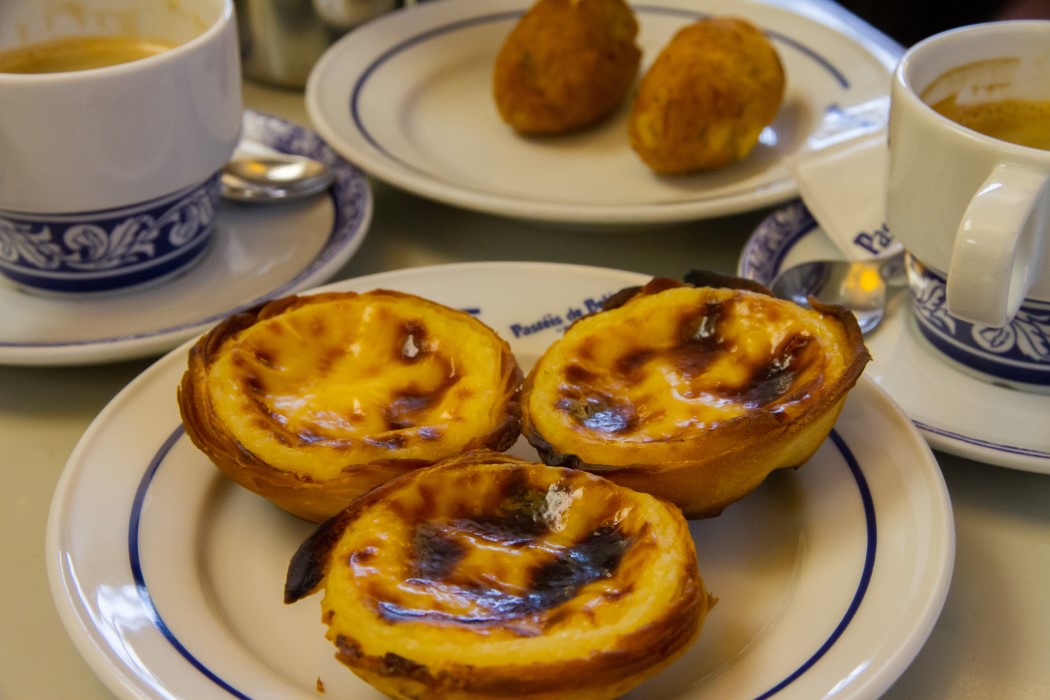
While you are there, look for the "Queijo de Azeitão" or "Queijo da Serra," which are sheep cheeses known for their buttery texture. Pair your morning coffee with a "Pastel de Nata" or a local regional cake, often made with almond or bean paste depending on the area. Don’t be afraid to point and ask questions; even if there is a language barrier, the pride vendors take in their products is universal.
These markets are not just places to buy food; they are preserved pieces of Portuguese identity. They offer a connection to the land and the sea that is becoming increasingly rare in our modern world. Whether you are admiring the tiles in Setúbal or the ironwork in Porto, you are participating in a ritual that has sustained these communities for centuries.
Exploring these vibrant hubs is even more enjoyable when you don't have to worry about parking or navigating unfamiliar streets. Having a professional driver allows you to fully immerse yourself in the sights and scents, perhaps even picking up a few local delicacies to enjoy later in the day without the burden of carrying them through the city.
If the idea of discovering the authentic flavors and hidden corners of Portugal appeals to you, we invite you to reach out. Our team of experts is ready to help you plan a journey that reflects your personal interests and pace.
Speak with our team and discover how to turn this experience into reality.