9 Comforting Oven Dishes You Must Try in Portugal
By Portugal Magik · Published 2026-11-18
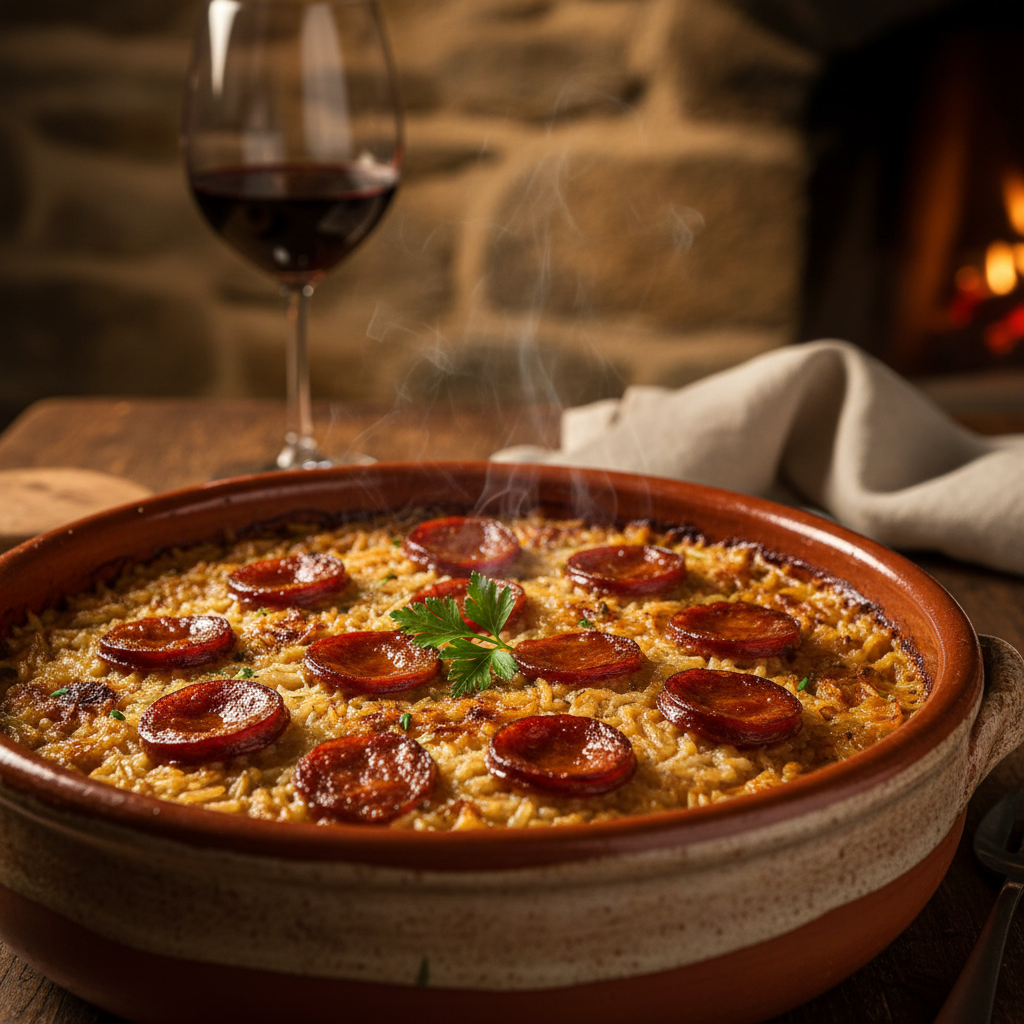
Discover the soulful heart of Portuguese cuisine through 9 traditional oven-baked dishes, from creamy salt cod to slow-roasted meats and savory duck rice.
Imagine walking through the narrow, cobbled streets of a hilltop village as the autumn sun begins to dip. The air carries the faint, sweet scent of burning oak from old chimneys, and soon, another aroma takes over: the smell of slow-roasted garlic, olive oil, and bay leaves. In Portugal, the oven is the heart of the home, transforming humble ingredients into deeply satisfying meals that bring families together around heavy wooden tables.
Portuguese cuisine is often celebrated for its fresh seafood and grilled sardines, but the true soul of the country’s comfort food lies in its *comida de forno* (oven food). These dishes are not about flash or pretense. They are about patience, high-quality clay pots, and the way heat creates that perfect, golden crust on top of a savory rice or a tender piece of salt cod. Whether you are exploring the windy Atlantic coast or the sun-baked plains of the Alentejo, these oven-baked treasures offer a warm embrace on a plate.
Here are nine comforting oven dishes you must try during your journey through Portugal.
## 1. Bacalhau com Natas (Salt Cod with Cream)
This is perhaps the ultimate crowd-pleaser in Portuguese homes and local taverns alike. It is a creamy, decadent gratin made with shredded salt cod, thinly sliced fried potatoes, and a rich béchamel sauce that is often lightened (or enriched) with heavy cream. Everything is folded together and baked until the top is bubbling and flecked with toasted brown spots.
The texture is what makes this dish so special. You get the slight saltiness of the fish balanced by the velvet-smooth sauce, while the potatoes provide just enough structure. It is a dish that feels like a hug, best enjoyed in a cozy restaurant in Lisbon or Coimbra while watching the world go by through a misty window.
## 2. Arroz de Pato (Duck Rice)
Originating from the northern regions but loved nationwide, Arroz de Pato is far more than just a bowl of rice. The duck is first simmered until the meat falls off the bone, and the resulting flavorful broth is then used to cook the rice. The shredded duck is layered inside the rice, which is topped with slices of spicy chouriço and occasionally a strip of orange zest or a few olives.
When the clay dish comes out of the oven, the top layer of rice is crispy and slightly charred, while the interior remains moist and infused with the rich fat of the duck. The smoky flavor of the chouriço seeps into the grains, creating a complex, savory profile. It is a robust, rustic meal that reflects the traditions of the Portuguese countryside.
## 3. Bacalhau à Zé do Pipo
Named after a famous restaurant owner in Porto who created the recipe in the 1940s, this dish is a visual and culinary delight. It consists of a thick loin of salt cod that is first poached in milk and then smothered in a layer of creamy mayonnaise. The fish sits on a bed of caramelized onions and is surrounded by a border of piped mashed potatoes.
The entire assembly goes into the oven to gratin. The mayonnaise creates a golden, slightly tangy crust that seals in the moisture of the cod, while the mashed potatoes become light and crispy on the edges. It is a sophisticated take on comfort food, offering a beautiful balance of textures that highlights why the Portuguese have over a thousand ways to cook their favorite fish.
## 4. Cabrito Assado (Roast Baby Goat)
If you find yourself in the mountainous regions of central or northern Portugal, particularly on a Sunday, you will likely smell Cabrito Assado. This dish is the centerpiece of festive family gatherings. The meat is typically marinated in a paste of garlic, paprika, lard, and white wine before being roasted slowly in a traditional wood-fired oven.
The result is meat so tender it practically melts away from the bone, with a skin that is perfectly crisp. It is almost always served with *batatas assadas* (small roasted potatoes) that have spent the afternoon in the same pan, soaking up all the savory juices and fats from the meat. The atmosphere of a village restaurant serving this dish, with the heat of the oven and the hum of local conversation, is an experience you won't soon forget.
## 5. Polvo à Lagareiro (Octopus with Olive Oil and Garlic)
While octopus is often grilled, the *Lagareiro* style involves a crucial finishing step in the oven. The name refers to a *lagar* (an olive oil press), hinting at the generous amount of high-quality Portuguese olive oil used in the recipe. The octopus is boiled until tender and then roasted with plenty of garlic, bay leaves, and "punched" potatoes (*batatas a murro*).
These potatoes are boiled in their skins and then lightly smashed with a fist before being roasted, which allows them to absorb the garlic-infused oil. The oven high heat crisps the tentacles slightly while keeping the inside succulent. It is a salty, garlicky masterpiece that celebrates the simplicity of Portugal’s finest ingredients: fresh Atlantic seafood and liquid gold olive oil.
## 6. Empadão de Carne (Portuguese Meat Pie)
Think of Empadão as the Portuguese cousin to Shepherd’s Pie, but with a distinct local character. It features two thick layers of smooth, buttery mashed potatoes sandwiching a filling of seasoned ground meat. The meat is usually sautéed with onions, garlic, and a splash of wine or tomato paste to keep it juicy.
Before it goes into the oven, the top layer of potato is brushed with egg wash and often scored with a fork to create a pattern. Once baked, it develops a shiny, golden-brown crust. It is the kind of food that Portuguese mothers make when they want to ensure everyone leaves the table full and happy. It is simple, reliable, and deeply nostalgic.
## 7. Chanfana (Old Goat Stewed in Red Wine)
Chanfana is a legendary dish from the Beira Litoral region, particularly around Lousã and Miranda do Corvo. It is traditionally made with older goat meat, which is tough but incredibly flavorful. The meat is placed in a black clay pot (*caçoila*), submerged entirely in robust red wine, garlic, bay leaves, and pepper, and then tucked into a wood-fired oven for several hours.
The long, slow cooking process transforms the meat into something remarkably tender, while the wine reduces into a dark, thick, intoxicating sauce. Because it was historically cooked in the residual heat of bread ovens, the flavors have time to marry perfectly. Eating Chanfana is like tasting the history of the Portuguese interior; it is earthy, bold, and best enjoyed with a glass of the same red wine used in the pot.
## 8. Carne de Porco à Alentejana (Oven-Finished Pork and Clams)
While this dish often starts in a pan, many of the best versions are finished in the oven to allow the flavors of the land and sea to fully integrate. Cubes of marinated pork are combined with fresh clams, garlic, and a hint of paprika. As the clams open in the heat, they release their briny juices, which mingle with the savory pork fat.
It is served with cubes of fried potatoes that are tossed into the mix at the end, absorbing the delicious sauce without losing their texture. This dish is a fascinating example of Portuguese culinary creativity, bringing together ingredients that might seem mismatched but create a harmonious, savory experience that is quintessentially Portuguese.
## 9. Leite Creme Queimado (Baked Custard with Burnt Sugar)
To end a meal of comforting oven dishes, one must look to the sweets. While many Portuguese desserts are stovetop-based, *Leite Creme* (the local version of Crème Brûlée) often involves a final "burn." The custard itself is flavored with lemon peel and cinnamon, giving it a bright, aromatic quality that differs from its French counterpart.
Once the custard is set, a generous layer of sugar is sprinkled on top. Traditionally, a hot iron tool is heated in the embers of the oven or fire and pressed onto the sugar to caramelize it instantly, though many places now use a torch. The contrast between the cold, silky cream and the warm, crackling sugar crust is the perfect finale to a rustic Portuguese feast.
## How to Experience These Flavors
Portuguese food is best enjoyed where it is made with heart. Look for small, family-run *tascas* or *restaurantes típicos* that have a "Prato do Dia" (Dish of the Day) posted outside. These are the places where oven dishes are prepared fresh every morning.
In the north, focus on the duck rice and roasted meats. Along the coast, prioritize the salt cod and octopus. In the Alentejo and central regions, seek out the slow-cooked stews and lamb. Most of these dishes are meant to be shared, often arriving at the table in the very clay pot they were cooked in, still sizzling and aromatic.
## Discover the Heart of Portugal
Exploring the culinary landscape of Portugal is a journey through its geography and history. The warmth of a clay-pot meal reflects the hospitality of the people you will meet along the way. Navigating these regional specialties is much easier when you have the freedom to stop at a hidden hillside tavern or a renowned coastal eatery without worrying about the drive back to your hotel.
Traveling in a private, climate-controlled vehicle allows you to focus entirely on the flavors and the scenery. Whether you are traversing the Douro Valley or the plains of the Alentejo, having a professional driver means you can sample the local wines that pair so perfectly with these hearty oven dishes.
Speak with our team and discover how to turn this experience into reality. Request your personalized proposal today.