8 Rivers in Portugal to Explore Where They Meet the Sea
By Portugal Magik · Published 2026-10-13
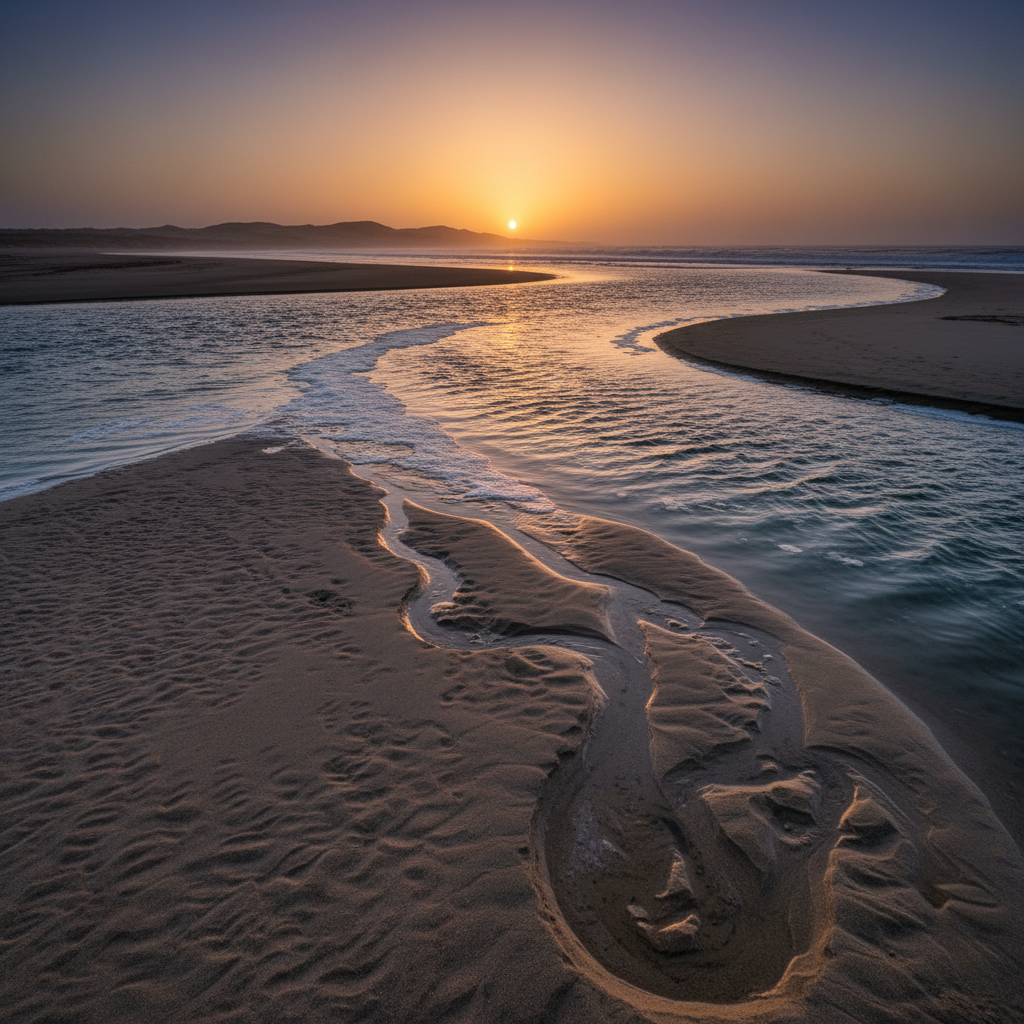
Discover eight stunning locations in Portugal where majestic rivers meet the Atlantic Ocean, from the iconic Tagus in Lisbon to the serene Mira in Alentejo.
Portugal is a land shaped by the flow of water. While many travelers focus on the golden sands of the Atlantic coastline, some of the most beautiful spots in the country are found where the freshwater of the interior meets the salt of the ocean. These river mouths, or estuaries, are places of incredible biodiversity, historical significance, and visual beauty.
From the wide, iconic mouth of the Tagus in Lisbon to the wild, rugged meeting points along the Alentejo coast, these locations offer a different perspective on the Portuguese landscape. Exploring these areas allows you to see how the geography of the country changes, shifting from riverbank greenery to expansive maritime horizons.
Here are eight rivers in Portugal to explore at the precise point where they reach the sea.
## 1. The Tagus River (Rio Tejo) in Lisbon The Tagus is the longest river in the Iberian Peninsula, and its arrival at the Atlantic is one of the most famous sights in Europe. Before it hits the ocean, it opens into a massive estuary that looks more like an inland sea than a river.
In Lisbon, the meeting point is best observed from the historic district of Belem. As you stand near the Belem Tower, you can see the river widen significantly. To your left, the 25 de Abril Bridge spans the water, and straight ahead, the river flows past the Bugio Lighthouse into the Atlantic. This area was the starting point for many of the great maritime voyages during the Age of Discovery, making it a place where history and geography are deeply intertwined.
## 2. The Douro River (Rio Douro) in Porto The Douro is famous for the steep, terraced vineyards of its valley, but its final act in Porto is equally spectacular. The river flows between the cities of Porto and Vila Nova de Gaia, passing under six impressive bridges before reaching the sea at Foz do Douro.
Foz is a sophisticated neighborhood where the river current meets the crashing waves of the Atlantic. There is a long promenade and a historic lighthouse, the Farol de Felgueiras, which often gets hit by massive sea spray during high tide. The contrast between the calm river water reflecting the colorful houses of Porto and the raw power of the ocean just a few hundred meters away is striking.
## 3. The Sado River (Rio Sado) in Setubal South of Lisbon lies the Sado River, which forms a unique estuary near the city of Setubal. The river reaches the sea alongside the Troia Peninsula, a long, thin stretch of white sand dunes.
The Sado estuary is a protected nature reserve and is one of the few places in Europe where a resident population of bottlenose dolphins lives year-round. As the river meets the ocean, the water turns a brilliant turquoise, framed by the green slopes of the Arrabida Natural Park. The ferry crossing between Setubal and Troia is a simple way to experience the transition from the river mouth to the open sea.
## 4. The Mondego River (Rio Mondego) in Figueira da Foz The Mondego is the longest river that flows entirely within Portuguese territory. It starts in the Serra da Estrela mountains and winds its way through the historic city of Coimbra before reaching the Atlantic at Figueira da Foz.
The name of the town itself, Figueira da Foz, literally means "Fig tree at the mouth." The river mouth here is wide and functional, serving as a busy fishing port. The area is known for its vast, sandy beaches that stretch out from the point where the river ends. It is a great location for those who enjoy watching the daily activity of traditional fishing boats navigating the shift from the calm river to the Atlantic swells.
## 5. The Mira River (Rio Mira) in Vila Nova de Milfontes The Mira River provides one of the most serene river-to-sea transitions in the country. Located in the heart of the Odemira region along the Alentejo coast, the Mira is known for being one of the least polluted rivers in Europe.
As it reaches the sea at Vila Nova de Milfontes, the river creates a series of calm, sandy river beaches that are protected from the Atlantic wind. The village itself sits on a cliff overlooking the spot where the blue river water blends into the darker ocean blue. At low tide, the sandy banks appear, creating a shifting landscape that is perfect for a quiet walk.
## 6. The Arade River (Rio Arade) in Portimao In the Algarve, the Arade River has played a vital role in trade for centuries. It flows through the city of Silves, the former Moorish capital, and eventually reaches the sea between Portimao and Ferragudo.
The river mouth is guarded by the Fort of Santa Catarina on one side and the picturesque village of Ferragudo on the other. A long jetty extends into the water to calm the Atlantic waves, allowing the river to flow smoothly into the ocean. This area is a hub of activity, with high-end yachts and traditional fishing boats sharing the same stretch of water against a backdrop of golden Algarve cliffs.
## 7. The Guadiana River (Rio Guadiana) in Vila Real de Santo Antonio The Guadiana River serves as a natural border between Portugal and Spain in the eastern Algarve. Exploring the point where it meets the sea offers a unique international perspective.
The river reaches the Atlantic between the Portuguese town of Vila Real de Santo Antonio and the Spanish town of Ayamonte. The river mouth is wide and calm, with low-lying wetlands and salt pans nearby. Standing at the pier in Vila Real de Santo Antonio, you can look across the water to Spain while feeling the breeze coming in from the Gulf of Cadiz. It is a peaceful, wide-open landscape that feels very different from the rocky cliffs of the western Algarve.
## 8. The Lima River (Rio Lima) in Viana do Castelo In the northern Minho region, the Lima River meets the sea in the elegant city of Viana do Castelo. According to legend, the Romans were so mesmerized by the beauty of this river that they mistook it for the River Lethe, the river of forgetfulness.
The meeting of the Lima and the Atlantic is framed by the Eiffel Bridge (designed by Gustave Eiffel) and the Santa Luzia hill. The river estuary here is an important area for shipbuilding and fishing. As the river exits into the sea, it passes by the Cabedelo beach, famous for its dunes and pine forests. The view from the top of the Santa Luzia Sanctuary provides a bird's eye view of the river winding through the green valley and finally merging with the vast Atlantic.
## Practical Information for Travelers
### Getting Around Many of these river mouths are located in or near major towns, making them accessible. However, to see the more remote locations like the Mira River in Alentejo or the Guadiana in the east, having a dedicated vehicle is the most comfortable way to travel. Private transport allows you to stop at scenic viewpoints that are often missed by public buses or trains.
### Best Time to Visit These locations are beautiful year-round, but the light is particularly stunning during the "Golden Hour" just before sunset. In the winter months, the meeting of the river and sea can be dramatic and powerful, while in the summer, the water is typically calmer and more inviting for a walk along the shore.
### Regional Differences The rivers in the North (like the Douro and Lima) tend to be surrounded by greener, more mountainous terrain. As you move south toward the Alentejo and the Algarve, the landscape becomes flatter and the vegetation changes to cork oaks and Mediterranean scrub. Each river mouth reflects the character of its specific region.
## Why Explore Portugal by River? Following a river to the sea is a natural way to structure a journey through Portugal. It takes you from the heart of the country to its edges, showing you how the inland communities have historically relied on these waterways to reach the rest of the world.
Whether it is the historical grandeur of the Tagus in Lisbon or the quiet beauty of the Mira in the Alentejo, these eight locations represent the diverse soul of the Portuguese landscape. They are places of transition, where the journey of the water ends and the vastness of the ocean begins.
If you are planning a trip to see the natural wonders of the country, traveling in a private vehicle with a professional driver allows you to enjoy these scenic routes without the stress of navigation. You can focus on the view while someone else handles the logistics.
Speak with our team at Portugal Magik and discover how to turn this experience into reality. Request your personalized proposal today.