8 Everyday Objects in Portugal with Surprising Stories Behind Them
By Portugal Magik · Published 2026-11-25
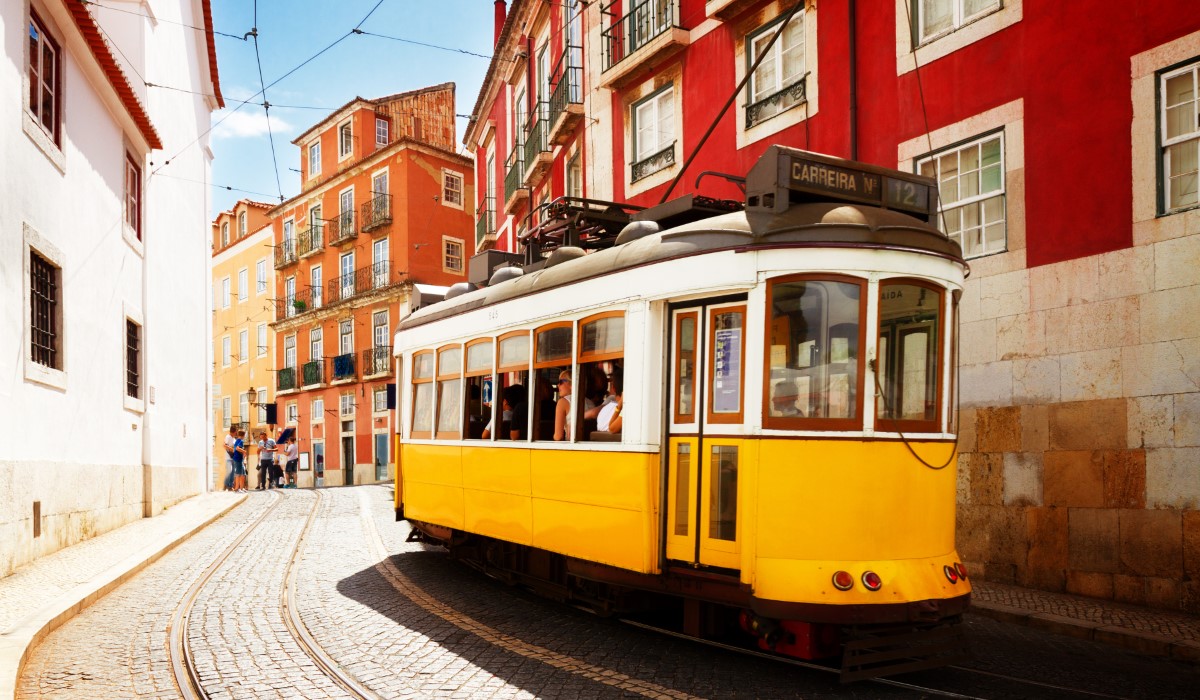
Discover the fascinating history behind 8 iconic Portuguese objects, from the legendary Rooster of Barcelos to the intricate stories told through ceramic tiles and street pavements.
Imagine sitting at a small, marble-topped table in a sun-drenched plaza in Lisbon. The air smells of roasting coffee and sea salt. As you reach for a sugar packet or glance at the pavement beneath your feet, you are touching centuries of history. Portugal is a country where the mundane is rarely just mundane.
In many places, a chair is just a chair and a stamp is just a stamp. But in the land of explorers and poets, everyday items carry the weight of empires, the whispers of secret revolutions, and the pride of ancient craftsmanship. These objects are woven into the fabric of daily life, yet their origins often surprise even the most seasoned travelers.
Here are eight everyday objects you will encounter while traveling through Portugal, each with a story that transforms it from a simple tool into a cultural icon.
## 1. The Portuguese Pavement (Calçada Portuguesa)
You cannot walk more than a few steps in a Portuguese city without stepping on the *calçada*. These small, hand-cut squares of limestone and basalt form intricate patterns underfoot, ranging from simple waves to complex ships and flowers. The white stones reflect the intense Atlantic light, making the streets glow even on overcast days.
The story of the modern *calçada* began in the mid-1800s at the Castelo de São Jorge. A lieutenant named Eusébio Furtado had his soldiers pave the courtyard in a zigzag pattern. It was so striking that the style quickly spread to the Rossio square and then across the entire country. It is a labor-intensive art form, maintained by master pavers who still shape each stone by hand today.
## 2. The Galo de Barcelos (The Rooster of Barcelos)
Walk into any souvenir shop or traditional home and you will see a brightly painted ceramic rooster, usually black with vibrant red hearts and yellow spots. This is more than a colorful trinket; it is a symbol of faith and justice that every Portuguese child grows up hearing about.
The legend tells of a pilgrim on his way to Santiago de Compostela who was wrongly accused of a crime. Facing the gallows, he pointed to a roasted rooster on the judge’s dinner table and claimed it would crow to prove his innocence. To the crowd's shock, the bird stood up and crowed just as the man was about to be executed. Today, the rooster represents the Portuguese love for a good story and the belief that truth eventually prevails.
## 3. The Cimbalino (and the "Bica")
Coffee in Portugal is a serious ritual, usually served in small, thick porcelain cups that hold a concentrated, velvety espresso. In Porto, you might hear someone ask for a *cimbalino*. The name comes from "La Cimbali," the brand of Italian espresso machines that first arrived in the north, changing the way the city woke up in the morning.
In Lisbon, the same drink is called a *bica*. Local lore says this was an acronym for "Beba Isto Com Açúcar" (Drink This With Sugar), a bit of marketing used by the famous A Brasileira cafe to help locals get used to the bitter, strong brew. Whether you are in a sleek city cafe or a dusty village tavern, the hiss of the espresso machine is the heartbeat of Portuguese social life.
## 4. The Andorinha (Ceramic Swallow)
Pinned to the exterior walls of houses or tucked into bookshelves, these small black ceramic birds are everywhere. They are almost always depicted in flight, with their wings spread wide. They feel smooth and cool to the touch, and they bring a sense of lightness and spring to the stone buildings they adorn.
The tradition started with the artist Rafael Bordalo Pinheiro in the late 19th century. He chose the swallow because the bird is migratory but always returns to the same nest year after year. Because of this, the ceramic swallow became the ultimate symbol of the Portuguese "lar" (home), representing loyalty, family, and the inevitable return of those who have traveled far away.
## 5. Cork (Beyond the Bottle)
You might expect to see cork in a wine bottle, but in Portugal, you will find it in umbrellas, handbags, postcards, and even flooring. The bark of the cork oak tree feels warm and slightly cushioned, with a unique earthy scent. When you see a cork forest in the Alentejo region, you will notice some trees have numbers painted on their trunks, marking the year they were last harvested.
Portugal produces about half of the world's cork. The story is one of incredible patience: a tree must be 25 years old before its first harvest, and the bark can only be stripped every nine years. This sustainable cycle has created a landscape that supports rare wildlife and provides a material that is naturally fire-resistant and waterproof. It is a testament to a culture that works in harmony with the rhythm of the seasons.
## 6. The Azulejo (Tin-Glazed Ceramic Tiles)
While tiles exist in many cultures, the *azulejo* is the skin of Portugal. They cover churches, train stations, and ordinary apartment blocks. In the morning light, the glazed surfaces shimmer, reflecting the blue of the sky or the yellow of the trams. They feel cold and glassy, yet they provide a vibrant warmth to the urban landscape.
The word actually comes from the Arabic "al-zulaich," meaning "polished stone." While the Moors brought the technique, the Portuguese turned it into a narrative art form. In the 18th century, "tile fever" took over, and entire walls were covered in blue and white scenes depicting everything from royal hunts to religious miracles. They were used not just for beauty, but to keep the interiors of houses cool during the long, hot summers.
## 7. The Caretos Masks
If you travel to the northeast of Portugal, specifically the Trás-os-Montes region, you might see frightening, colorful masks made of tin or leather, often with long noses and wild hair. They are part of the *Caretos* tradition, where young men dress in fringed wool suits and run through the streets during winter festivities.
These masks represent a pre-Roman, pagan heritage that has survived in the remote corners of the mainland. The masks are designed to be "diabolical" and anonymous, allowing the wearer to act out and play pranks on the community to celebrate the end of winter. It is a visceral, noisy, and colorful connection to a tribal past that feels worlds away from the cosmopolitan streets of Lisbon.
## 8. The Vista Alegre Porcelain
When you sit down for a meal in a high-end Portuguese restaurant or a stately home, you are likely eating off Vista Alegre porcelain. The plates are famously thin, nearly translucent when held to the light, and often feature delicate hand-painted designs. The clink of a Vista Alegre cup against its saucer is a sound associated with elegance and tradition.
Founded in 1824 by José Ferreira Pinto Basto, the factory was more than just a business; it was a social experiment. Basto built a whole village for his workers, including a theater and a fire station, to ensure they were happy and productive. This commitment to quality and community turned a small glass and ceramic works into a global brand that has supplied palaces and embassies for two centuries.
## Experiencing the Stories in Person
These objects are more than just items on a shelf; they are entry points into the Portuguese soul. To truly understand them, you have to see the sun hitting the tiles in a hidden courtyard or feel the breeze in an Alentejo cork forest.
Exploring Portugal is a journey of layers. While the monuments are magnificent, it is often these smaller, everyday details that leave the lasting impression. Having a knowledgeable guide who can point out the significance of a specific pavement pattern or the history of a local craft makes all the difference in how you perceive the landscape.
Many travelers find that the best way to move between these cultural touchpoints is with a private driver who understands the nuances of each region. This allows for a flexible pace, moving from the ceramic workshops of the center to the historic coffee houses of the north without the stress of navigation.
If you are ready to see these stories come to life, our team at Portugal Magik is here to help. We provide premium private tours using our modern fleet of Mercedes-Benz vehicles, ensuring your journey through the mainland is as comfortable as it is enlightening. Our English-speaking drivers are dedicated to sharing the hidden corners of our country with discerning international travelers.
Speak with our team and discover how to turn this experience into reality.