8 Beautiful Stone Villages in Portugal to Explore on Foot
By Portugal Magik · Published 2026-10-21
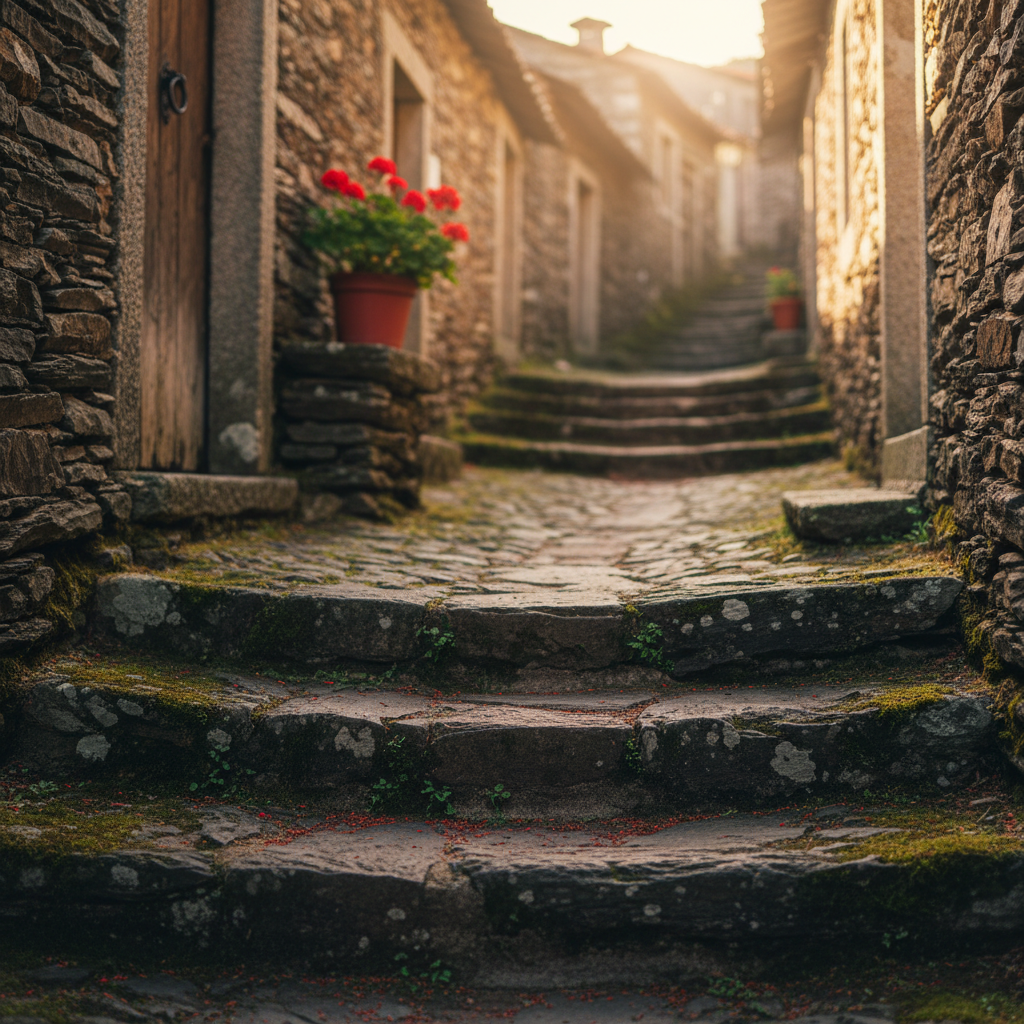
Discover eight of Portugal's most beautiful stone villages, from the boulder-integrated homes of Monsanto to the schist houses of Piodao, perfect for exploring on foot.
Portugal is a country where history is etched into the landscape. While many visitors flock to the golden beaches of the south or the bustling streets of Lisbon, there is a quieter, more ancient world waiting in the interior. This is the land of stone villages, where centuries-old traditions remain alive and the architecture blends seamlessly into the rugged mountains.
Walking through these villages is like stepping back in time. These hamlets were often built for defense, perched on high ridges or tucked into hidden valleys. They are crafted from local materials, primarily schist or granite, making them almost invisible from a distance. Because these villages are small and often have narrow, winding alleys, the best way to experience them is on foot.
Here are eight beautiful stone villages in Portugal that offer a glimpse into the country's soul.
## 1. Monsanto: The Village Built Between Giants Monsanto is often called the most Portuguese village in Portugal, a title it earned in the mid-20th century. Located in the Beira Baixa region, it is famous for its unique relationship with the landscape. The inhabitants did not move the massive granite boulders that dot the hillside; instead, they built their homes around, under, and even inside them.
Walking through Monsanto requires a bit of stamina as the streets are steep. However, the effort is rewarded at every turn. You will see houses where a single boulder serves as a roof or a wall. As you climb toward the ruins of the medieval castle at the top, you get a panoramic view of the plains stretching toward the Spanish border.
## 2. Piodao: The Schist Nativity Scene Hidden deep in the Serra do Acor mountains, Piodao is often referred to as the Nativity Village. This is due to the way its houses are arranged in tiers on the hillside, with their dark schist walls and blue painted doors and window frames. Legend says the blue color was used because it was the only paint available in the local shop for many years, creating a beautiful uniformity.
The village is remarkably well-preserved. There are no modern buildings to break the spell. The parish church, painted white with blue trim, stands out against the dark stone of the surrounding houses. Walking here feels incredibly peaceful, as the sound of running water from nearby mountain streams often fills the air.
## 3. Marvao: A Fortress in the Clouds Perched on the highest crest of the Serra de Sao Mamede in the Alentejo region, Marvao is a stunning example of a fortified village. Its whitewashed houses are trimmed with granite and enclosed within massive stone walls that have stood for centuries.
Walking the perimeter of the village walls is a must. From this vantage point, you can see for miles in every direction. The village itself is a maze of narrow streets, flowered balconies, and Gothic arches. It is a quiet, contemplative place where the air feels thin and fresh, and the pace of life slows down significantly.
## 4. Sortelha: A Medieval Time Capsule Sortelha is one of the oldest and best preserved of Portugal's Historical Villages. Located near the town of Sabugal, it feels like a movie set. The entire village is enclosed within a ring of stone walls, and the houses are built from the same gray granite as the craggy hills surrounding them.
When you walk through the village gates, you are greeted by an atmosphere of ancient mystery. The streets are paved with large stone slabs, and the houses feature Manueline doorways (a uniquely Portuguese style of architecture). Be sure to walk up to the castle, which stands on a rocky outcrop, offering a perfect view of the village rooftops and the rugged landscape beyond.
## 5. Lindoso: The Village of Stone Granaries Located in the Peneda Geres National Park in the far north, Lindoso is famous for its collection of espigueiros. These are stone granaries used for drying corn, perched on stilts to keep rodents away. Lindoso has one of the largest concentrations of these structures in the country, with over 50 of them clustered near the local castle.
The village itself is made of heavy granite, built to withstand the harsh winters of the northern mountains. Walking through Lindoso offers a look at a traditional communal way of life that has existed for centuries. The sight of the stone granaries grouped together against the backdrop of the green mountains is one of the most iconic images of rural Portugal.
## 6. Belmonte: A Rich History of Stone and Spirit Belmonte is unique among the stone villages of the Beira Interior region. While its granite houses and impressive castle are beautiful, its history is what truly sets it apart. Belmonte was the birthplace of Pedro Alvares Cabral, the navigator who discovered Brazil, and it has been home to a resilient Jewish community for hundreds of years.
The village is spread across a hill, and a walk here allows you to explore different layers of history. You can visit the castle, see the old Jewish quarter with its narrow lanes, and admire the solid granite architecture that characterizes the town center. It is a place where different cultures have left their mark on the stone walls.
## 7. Talasnal: A Hidden Gem in the Serra da Lousa Talasnal is one of the most popular Schist Villages in the Serra da Lousa mountains, yet it retains an intimate, secluded feel. The village is almost entirely built from dark, flaky schist stone, which gives it an earthy, warm appearance.
The village is tucked into a lush, green forest, and walking through its narrow passages feels like exploring a secret garden. Many of the houses have been carefully restored by people looking for a retreat from city life. It is a great place to stop for a traditional sweet treat or simply to enjoy the view of the surrounding peaks from one of the small stone terraces.
## 8. Castelo Rodrigo: A Border Stronghold Standing on a hilltop overlooking the Agueda Valley, Castelo Rodrigo is a historic village that once played a vital role in defending the Portuguese border. The village still bears the scars of its turbulent past, with ruins of the old palace and walls that tell stories of battles and sieges.
Today, it is a peaceful place to wander. The streets are lined with stone houses decorated with flowers, and the local shops sell regional products like honey and almonds. Walking through the village at sunset is particularly beautiful, as the fading light turns the stone walls into shades of gold and orange.
## Practical Information for Your Visit
### When to Go The best time to explore these villages is during the spring (April to June) or autumn (September to October). During these months, the weather is mild enough for walking, and the landscapes are either vibrant with flowers or rich with autumn colors. Summer can be quite hot, especially in the Alentejo and Beira regions, while winter in the mountains can be cold and rainy.
### How to Get There Most of these villages are located in remote areas where public transportation is limited. To truly explore the stone villages of the interior, having a private vehicle is essential. The roads leading to villages like Piodao or Talasnal are narrow and winding, offering spectacular views but requiring careful driving.
### What to Wear Comfortable walking shoes with good grip are a necessity. Many of these villages have cobblestone streets or uneven stone paths that can be slippery when wet. If you plan to walk up to the castles or along the village walls, sturdy footwear will make your experience much more enjoyable.
## Exploring the Soul of Portugal Visiting these stone villages is about more than just sightseeing; it is about connecting with a way of life that values permanence and harmony with nature. Whether it is the granite giants of Monsanto or the dark schist of Piodao, these places remind us of the enduring beauty of the Portuguese countryside.
While these villages are remote, they are well worth the journey for those who want to see a different side of the country. Each one has its own story to tell, etched into the very stones that form its walls.
If you are planning a trip to see these historic treasures, having a dedicated driver can make the experience seamless. Portugal Magik has 14 years of experience providing private tours for discerning international travelers seeking premium experiences. With a fleet of Mercedes-Benz vehicles and professional English-speaking drivers, we provide door-to-door service and the flexibility to explore at your own pace.
Speak with our team and discover how to turn this experience into reality. Request your personalized proposal today.