7 Distinctive Rivers in Portugal for Scenic Waterfront Walks and Historic Towns
By Portugal Magik · Published 2026-11-05
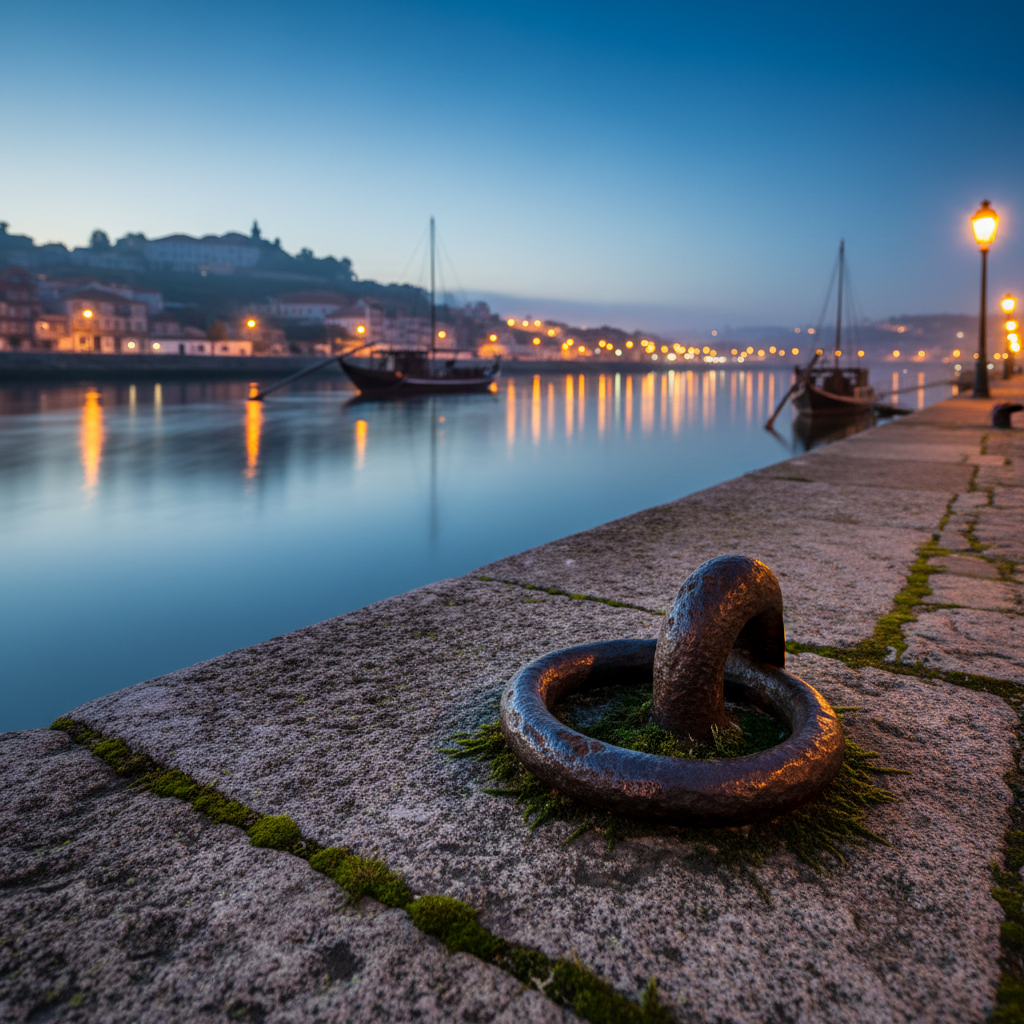
Discover the most beautiful riverside towns and scenic walks in Portugal, from the iconic Douro to the mythical Lima and the grand Tejo.
Imagine standing on a weathered stone bridge as the sun dips below the horizon, turning the water into a ribbon of molten gold. In Portugal, life has always gathered at the water's edge. The sound of gentle ripples against ancient harbor walls and the scent of wild rosemary blowing from the riverbanks define the soul of this country. Beyond the famous coastline, the rivers of Portugal offer a slower, more intimate rhythm where history flows as steadily as the current.
From the rugged canyons of the north to the peaceful marshes of the south, these waterways have shaped the identity of the towns that guard them. Whether you are seeking the granite majesty of a riverside fortress or the soft shade of willow trees in a quiet valley, these seven rivers provide the perfect backdrop for scenic exploration and timeless storytelling.
## 1. The Douro River: A Journey Through Tilled Slopes and Granite Cities
The Douro is perhaps the most iconic waterway in the country, carved deep into the landscape of Northern Portugal. As it approaches the Atlantic, it flows between the steep, narrow streets of Porto and the colorful riverside houses of Vila Nova de Gaia. The air here smells of oak barrels and salt spray, and the sound of traditional wooden boats clinking against the docks creates a constant, rhythmic backdrop to the city's energy.
Walking along the Ribeira district, you feel the weight of centuries of trade. The river is flanked by soaring iron bridges and high stone cliffs, offering a dramatic contrast between the industrial heritage of the bridges and the medieval charm of the alleyways. It is a place where the light catches the azulejo tiles on the facades, reflecting a thousand shades of blue back onto the water.
## 2. The Mondego River: The Heart of Academic Tradition
Flowing through the center of the country, the Mondego is often called the river of poets. In the city of Coimbra, the water reflects the silhouette of one of the world's oldest universities perched high on the hill. The riverbanks here are wide and green, providing a peaceful escape where the sound of student life fades into the rustle of leaves and the soft call of water birds.
A stroll along the Parque Verde do Mondego offers a beautiful perspective of the city's tiered architecture. The water is calm and clear, often dotted with rowers practicing in the early morning mist. It is worth visiting for the romantic atmosphere alone, especially near the Pedro and Ines bridge, where the glass walkway seems to float effortlessly over the current, connecting modern design with ancient legends.
## 3. The Tejo River: A Grand Gateway to the World
The Tejo, or Tagus, is the longest river in the Iberian Peninsula and serves as the magnificent front porch of Lisbon. In the capital, the river is so wide it feels like a sea, with the breeze bringing a refreshing coolness to the sunny limestone squares. The waterfront at Belem is particularly striking, where the white stone of the Belem Tower stands guard over the mouth of the river, just as it has for five hundred years.
Walking from the Praça do Comércio toward the Docas, you experience the transition from grand imperial architecture to a modern, vibrant maritime culture. The light in Lisbon is famous for its clarity, and nowhere is it more beautiful than when it reflects off the Tejo at sunset. The sight of the red suspension bridge stretching across the blue water provides a sense of scale that reminds every traveler of Portugal's historic role as a nation of explorers.
## 4. The Gilão River: The Gentle Soul of the East Algarve
In the charming town of Tavira, the Gilão River moves with a quiet grace that matches the relaxed pace of the Algarve's eastern side. The town is famous for its Roman bridge, which spans the slow-moving water and connects the two sides of the historic center. The atmosphere here is one of whitewashed walls, terracotta roofs, and the distant sound of church bells echoing across the marshes.
A walk along the riverbanks in Tavira takes you past traditional fishing boats painted in bright primary colors and elegant mansions with lattice-work doors. As the tide changes, the river reveals salt pans and sandbanks that draw a variety of birdlife. It is a place for slow contemplation, where you can watch the reflections of palm trees in the water while enjoying the scent of orange blossoms from nearby orchards.
## 5. The Arade River: From Maritime Might to Quiet Valleys
The Arade River was once a vital artery for the Phoenicians and Romans, leading from the Atlantic into the heart of the Algarve. In the town of Silves, the river flows beneath the shadow of a massive red sandstone castle. The banks are lined with reeds and wildflowers, offering a rustic, earthy landscape that feels a world away from the busy beach resorts nearby.
Further downstream, near the city of Portimão, the river widens and the atmosphere becomes more maritime. The riverside promenade here is perfect for a brisk walk, where the smell of grilled sardines from local eateries fills the air. The contrast between the rugged, sun-baked hills of Silves and the bustling harbor at the river's mouth tells the story of a region that has always relied on the water for its prosperity.
## 6. The Lima River: Legend and Greenery in the North
The Lima River is steeped in ancient myth; the Romans once believed it was the River Lethe, the river of forgetfulness, because its beauty was so distracting. In the town of Ponte de Lima, the oldest town in Portugal, a magnificent medieval bridge crosses the wide, shallow waters. The riverbanks are carpeted in lush green grass and shaded by rows of ancient plane trees, creating a cool canopy even in the height of summer.
Walking along the Lima, you will notice the profound silence and the purity of the air. The town itself is a treasury of manor houses and flower gardens that seem to tumble down toward the water. It is worth the visit for the sheer sense of tranquility and the way the granite stones of the bridge glow in the late afternoon sun, reflecting a history that spans two millennia.
## 7. The Sado River: A Natural Haven near Setúbal
Just south of Lisbon, the Sado River meets the ocean in a wide, shimmering estuary near the city of Setúbal. The river is known for its resident population of bottlenose dolphins, which can sometimes be spotted from the shore. The waterfront in Setúbal is a lively mix of working fishing port and elegant promenade, where the sound of seagulls and the clatter of crates remind you of the city's deep connection to the sea.
Exploring the banks of the Sado takes you toward the Arrábida hills, where the green of the mountains meets the deep blue of the estuary. The nearby salt marshes and rice fields of Comporta offer a completely different landscape, one of wide horizons and incredible stillness. It is a diverse waterway that offers everything from urban energy to the most secluded natural beauty, all within a short journey from the capital.
## Planning Your Riverside Exploration
Portugal's rivers are easily accessible, but each region offers a different climate and terrain. While the Douro and Lima in the north can be crisp and misty in the autumn, the Gilão and Arade in the south remain warm and bright for most of the year. Most riverside towns have well-maintained pathways, often following the old routes used by merchants and fishermen.
When visiting these towns, it is helpful to look for the "Caminhos" or marked walking trails that often hug the water's edge. These routes are generally flat and offer the best views of the historic bridges and fortifications. Many towns also have small riverside parks that are perfect for a rest under the shade of a cork oak or olive tree.
## Experience Portugal from the Comfort of a Private Vehicle
The best way to see these diverse river landscapes is by traveling between them with ease. Moving from the steep valleys of the north to the flat estuaries of the south requires a reliable and comfortable mode of transport, especially if you wish to see multiple regions in one journey. Choosing a private service allows you to focus on the scenery rather than the logistics of driving or public transport schedules.
Portugal Magik provides a premium travel experience with a professional team dedicated to discerning international travelers seeking premium experiences. With over 14 years of expertise, our fleet of Mercedes-Benz E-Class, V-Class, and Sprinter vehicles ensures that your journey between these historic riverside towns is as smooth as the water itself. Our English-speaking drivers provide a friendly, flexible approach, allowing you to stop for a photo or a quick walk whenever a view catches your eye.
Whether you are drawn to the grand scale of the Tejo or the ancient myths of the Lima, exploring Portugal's rivers reveals a side of the country that many visitors miss. These waterways are the lifelines of Portuguese culture, offering a peaceful and picturesque way to discover the heart of the nation.
Request your personalized proposal today and let us help you plan your perfect journey through the historic towns and scenic waterfronts of Portugal.