7 Castles in Portugal Worth the Climb: Views, Steps and Visiting Tips
By Portugal Magik · Published 2026-11-02
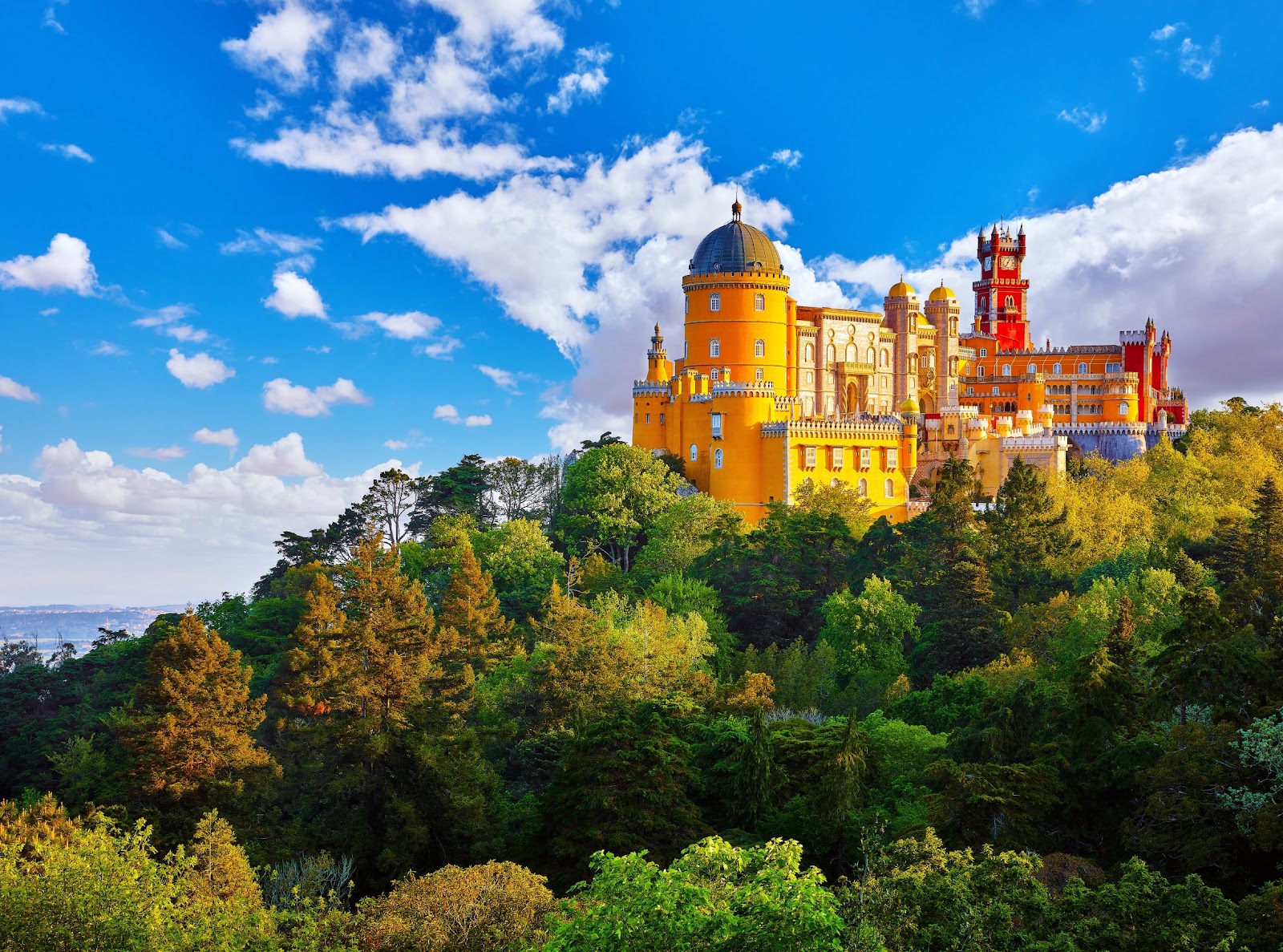
Discover the most breathtaking hilltop fortresses in Portugal, from the misty walls of Sintra to the golden plains of the Alentejo. Our guide covers the best castles for views, history, and essential visiting tips.
Imagine standing on a cool stone rampart as the sun begins to dip toward the Atlantic. The wind carries the scent of wild thyme and pine, and below you, a patchwork of white-washed villages and cork forests stretches toward the horizon. In Portugal, a castle is rarely just a pile of old stones. These fortresses are perched on the highest crags, built by kings and knights to watch over a landscape that has changed remarkably little over the centuries.
Visiting these sites requires a bit of stamina. You will find yourself navigating narrow spiral staircases, uneven cobblestones, and steep battlements. However, the reward for every step is a perspective on the country that you simply cannot get from the valley floor. From the misty peaks of Sintra to the sun-drenched plains of the Alentejo, here are seven historic fortresses where the climb is just as memorable as the history.
## 1. The Castle of the Moors, Sintra
High above the town of Sintra, the Castelo dos Mouros clings to the jagged cliffs of the Serra de Sintra. As you walk the perimeter walls, you might find yourself surrounded by the famous local mist, which gives the moss-covered stones a ghostly, emerald glow. On clear days, the view extends past the vibrant Pena Palace all the way to the blue line of the ocean.
The climb here follows the natural contours of the mountain. It feels less like a structured building and more like a stone crown placed upon the forest. The granite stairs are steep, and the wind can be brisk, but standing on the highest tower provides a sense of scale that helps you understand why the Moors chose this spot in the 8th century. It is a place where the air feels different, cool and damp, and the silence of the woods is a welcome break from the busy town below.
## 2. Saint George’s Castle, Lisbon
Dominating the skyline of Portugal's capital, Castelo de São Jorge is the quintessential city fortress. To reach it, you must first navigate the steep, winding alleys of the Alfama district, where the sound of Fado music often drifts from open windows. Once inside the gates, you can walk the broad ramparts that offer a panoramic view of the Tagus River and the sea of terracotta roofs.
The atmosphere here is lively yet regal. Residents of the castle grounds include a colony of peacocks that strut among the olive and pine trees in the courtyard. The climb up the tower steps is manageable, and once at the top, you can watch the yellow trams crawl like toys through the streets below. It is the best place to get your bearings in Lisbon and appreciate the city’s unique, shimmering light.
## 3. Guimarães Castle, Guimarães
Often called the birthplace of the nation, this 10th-century fortress in northern Portugal is a masterclass in medieval strength. The castle sits on a small hill, its square towers and sharp battlements standing firm against the green backdrop of the Minho region. Walking toward it feels like stepping into a chronicle of knights and early kings.
The climb involves ascending the central keep, known as the Torre de Menagem. The stairs are narrow and wooden, leading you to a rooftop view of the Palace of the Dukes of Braganza and the historic center of the city. The air here is often crisp, and the surrounding parkland provides a peaceful, shaded approach to the heavy stone walls. It is a compact, powerful site that reminds every visitor of the country’s foundation.
## 4. Marvão Castle, Alentejo
Marvão is a village that seems to grow directly out of a mountain peak near the Spanish border. The castle is located at the very highest point, nearly 900 meters above sea level. The climb is a gradual ascent through the narrow, flower-lined streets of the village, eventually leading to the massive stone fortifications and a remarkably preserved cistern.
Standing on the ramparts of Marvão feels like standing at the edge of the world. The silence is profound, broken only by the occasional cry of a bird of prey circling the valley. You can see for miles into Spain and across the rugged Alentejo plains. The granite walls are bleached by the sun, and the light at sunset turns the entire landscape into shades of gold and violet. It is an isolated, breathtaking spot that rewards the long journey to the interior.
## 5. Tomar Castle and the Convent of Christ
This is not just a castle but the former headquarters of the Knights Templar. Located in the town of Tomar, the complex is a sprawling masterpiece of military and religious architecture. The walk up the hill takes you through thick walls and hidden gardens before revealing the famous round church and the intricate Manueline window.
The climb within the castle allows you to explore the multiple cloisters and the high battlements that protected the monks and knights. The stone carving here is incredibly detailed, featuring nautical themes and symbols of the Age of Discovery. The atmosphere is heavy with mystery and layers of history, and the view from the outer walls overlooks the Nabão River and the neatly organized streets of the town.
## 6. Monsaraz Castle, Alentejo
Monsaraz is a tiny, medieval village perched on a hill overlooking the Great Alqueva Lake. The castle sits at the end of the main street, its courtyard now serving as a traditional arena. The climb here is relatively easy, but the views from the top of the schist walls are some of the most expansive in the country.
From the towers, you can see the vast blue expanse of the reservoir contrasting with the golden, dry earth of the Alentejo. The scent of woodsmoke and cistus shrubs hangs in the air, and the white houses of the village sparkle in the intense sun. It is a place of incredible stillness, especially in the late afternoon when the shadows lengthen across the plains. Many visitors find that the simple beauty of the landscape here stays with them long after they leave.
## 7. Óbidos Castle, Óbidos
The town of Óbidos is entirely enclosed by its medieval walls, and the castle serves as the anchor for the entire fortification. While the castle building itself is now a high-end inn, visitors can still walk the entire perimeter of the town walls. This is perhaps the most famous walk in Portugal, offering a bird's eye view of the town’s white houses and blue-painted borders.
The walk along the ramparts is not for the faint of heart, as there are no handrails in many sections. However, the perspective is unmatched. You look down into private courtyards filled with lemon trees and bougainvillea, while on the other side, the green hills of the West region stretch toward the Atlantic. The sounds of the bustling market below fade away as you reach the higher points of the wall, leaving you with a sense of hovering over a living museum.
## Practical Tips for Your Castle Visits
When planning a day spent exploring these historic heights, a few practical considerations will make the experience much more enjoyable.
* **Footwear is Essential:** Portuguese cobblestones (calçada) are beautiful but can be very slippery, especially when worn smooth by centuries of use. Wear sturdy shoes with excellent grip. * **Hydration:** Many of these castles are located in rural or elevated areas where the sun is surprisingly strong. While some have small kiosks near the entrance, it is always wise to carry water with you. * **Timing:** To avoid the most crowded periods and the heat of the midday sun, aim to arrive when the sites first open or visit in the late afternoon. The light for photography is also much better during these golden hours. * **Accessibility:** Because these are protected historical monuments, elevators are rare. Expect to climb stairs and navigate uneven surfaces. If you have mobility concerns, focus on castles like São Jorge in Lisbon or Monsaraz, which offer impressive views with less strenuous climbing.
## Exploring Portugal with Ease
Reaching these hilltop fortresses often involves navigating winding rural roads and finding parking in tiny medieval villages, which can be a challenge for those unfamiliar with the terrain. A private tour allows you to focus entirely on the scenery and the history without the stress of driving or logistics.
Portugal Magik offers a premium way to experience these sites. With 14 years of experience, the company provides private transport in a fleet of modern Mercedes-Benz vehicles, including E-Class sedans and V-Class minivans. Your professional English-speaking driver handles the navigation and scheduling, picking you up directly from your hotel and ensuring a flexible itinerary that moves at your own pace. Whether you want to spend an extra hour photographing the walls of Marvão or head to a local village for lunch after visiting Tomar, the day is entirely yours.
These castles are the silent witnesses to Portugal's long and storied past. Standing on their ramparts, you connect with the generations who stood there before you, watching the horizon and guarding the land.
Speak with our team and discover how to turn this experience into reality.