5 Royal Palaces to Visit in Portugal for Grand Halls and History
By Portugal Magik · Published 2026-11-08
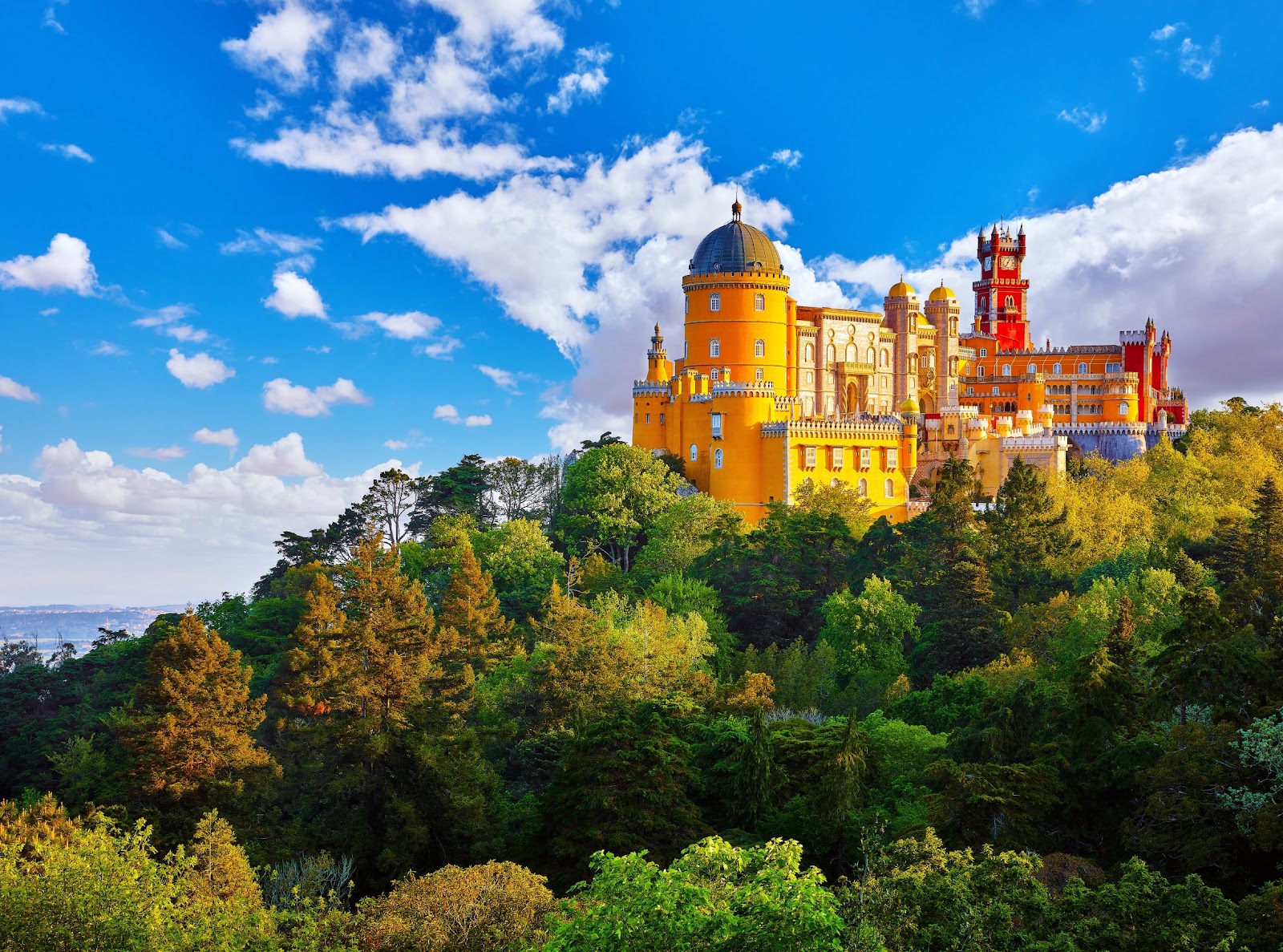
Discover the five most spectacular royal palaces in Portugal, from the colorful peaks of Sintra to the Baroque grandeur of Mafra and the refined halls of Lisbon.
Imagine standing on a cool marble floor as the morning sun streams through floor-to-ceiling windows, illuminating gold-leafed carvings and hand-painted ceiling frescoes. The air is still, carrying the faint scent of old wood and polished wax. You are in the heart of a residence that once housed kings and queens, where every corridor tells a story of global empires and royal intrigue. In Portugal, these grand halls are not just dusty museums, they are vibrant testaments to a centuries-old monarchy that left behind some of the most stunning architecture in Europe.
Exploring these palaces offers a window into the private lives of the Braganza and Saxe-Coburg-Gotha dynasties. From the breezy hills of Sintra to the urban elegance of Lisbon, the country is dotted with royal estates that range from medieval fortresses to Neoclassical masterpieces. Each one has a distinct personality, reflecting the tastes and the political climate of the era in which it was built. Whether you are drawn to the romanticism of the 19th century or the heavy grandeur of the Baroque period, these five palaces represent the pinnacle of Portuguese royal heritage.
## 1. Pena National Palace (Sintra)
Perched atop a jagged peak in the Sintra Mountains, the Pena National Palace looks like something plucked straight from a fairy tale. On a clear day, its vibrant shades of yellow and red are visible from Lisbon, standing out against the lush green forest. The wind often whips around the high turrets, bringing with it a cool mist that adds to the ethereal, romantic atmosphere of the site. It is a masterpiece of 19th-century Romanticism, blending Neo-Gothic, Neo-Manueline, and Moorish architectural styles into a colorful, eclectic hilltop retreat.
Inside, the halls are surprisingly intimate, reflecting the daily life of King Ferdinand II and Queen Maria II. You can walk through the Great Hall, which served as a ballroom, and admire the intricate stuccowork and the heavy, ornate furniture that remains exactly where the royals left it. The cloisters of the original Manueline monastery, around which the palace was built, offer a quiet contrast to the flamboyant exterior. It is worth visiting for the sheer imagination of the design and the breathtaking views that stretch across the Atlantic coastline.
## 2. National Palace of Mafra (Mafra)
Located about 40 minutes north of Lisbon, the National Palace of Mafra is a colossal monument to Baroque ambition. As you approach the town, the massive limestone facade dominates the horizon, housing a palace, a basilica, and one of the most beautiful libraries in the world. The sound of the carillon bells, some of the largest in Europe, often rings out across the square, a reminder of the wealth and power of King João V. The building is so vast that the royal family members used to communicate via runners between their respective wings.
The highlight for many is the library, a high-ceilinged hall lined with thousands of ancient leather-bound books. The floor is made of rose, grey, and white marble, and the air feels scholarly and quiet, preserved by a small colony of bats that protect the books from insects. Walking through the royal apartments, you will see the transition from the King’s hunting-themed rooms to the Queen’s more delicate chambers. It is a place that truly captures the scale of the Portuguese Empire during the 18th century.
## 3. Ajuda National Palace (Lisbon)
The Ajuda National Palace sits on a hill overlooking the Belém district of Lisbon, though it is often quieter than the monuments down by the river. This was the official residence of the Portuguese royal family from the mid-19th century until the fall of the monarchy in 1910. The facade is unfinished, a detail that adds a layer of historical drama to its Neoclassical design. Inside, the palace is a masterclass in high-end 19th-century decoration, featuring heavy silk tapestries, crystal chandeliers, and walls lined with portraits of the Braganza family.
The Throne Room is particularly impressive, with its red velvet chairs and gilded ornaments designed to intimidate and impress visiting dignitaries. The Banquet Hall, still used today for official state dinners hosted by the President, features a stunning painted ceiling and a table that seems to stretch on forever. Visiting Ajuda feels like stepping into a time capsule of the late monarchy, where the rooms are packed with personal objects, clocks, and gifts from other European royals. It offers a sense of the grandeur that once defined the capital’s court life.
## 4. National Palace of Queluz (Queluz)
Often referred to as the Portuguese Versailles, the National Palace of Queluz is located between Lisbon and Sintra. This salmon-pink palace is a refined example of Rococo architecture, surrounded by manicured gardens, fountains, and statues. The atmosphere here is lighter and more playful than the somber halls of Mafra, reflecting a time when the royal family used this as a summer retreat for concerts, fireworks, and garden parties. The sound of water trickling from the stone fountains provides a peaceful backdrop to the stroll through the grounds.
The interior is famous for its Throne Room, which is adorned with massive mirrors that reflect the light from golden wall sconces, making the space feel infinitely large. The Ambassadors' Room features a floor of polychrome marble and a ceiling painting of the royal family attending a concert. Another highlight is the Tiled Canal, a large water feature lined with thousands of hand-painted blue and white tiles where the royals would go boating. It is an essential stop for anyone who appreciates the delicate artistry of the 18th century.
## 5. National Palace of Sintra (Sintra)
In the heart of Sintra’s historic center stands the town’s oldest palace, easily recognized by its two massive conical chimneys. This was the favorite residence of the Portuguese royalty for centuries, used primarily as a retreat during the hot summer months. The palace is a fascinating mix of Gothic, Manueline, and Moorish styles, with cool courtyards and rooms decorated with some of the oldest mudéjar tiles in the country. The smell of damp stone and the sound of the wind through the old window frames give it a distinctly medieval feel.
The most famous room is the Swan Room, named for the 27 painted swans on the ceiling, each wearing a golden collar. Even more spectacular is the Blazons Hall, which features a domed ceiling displaying the coats of arms of the Portuguese nobility, surrounded by walls covered in exquisite blue and white tile panels. This palace feels lived-in and layered, with each monarch adding their own touch over hundreds of years. It is a vital link to the earliest days of the Portuguese kingdom and remains a symbol of the town’s enduring royal connection.
## Planning Your Royal Itinerary
When visiting these palaces, it is helpful to keep a few practicalities in mind. Most of these sites are managed by state entities, and while they are open throughout the year, schedules can vary. It is usually best to visit the Sintra palaces early in the day to enjoy the atmosphere before the mid-afternoon peak. Comfortable walking shoes are a must, as these estates often involve steep staircases, long corridors, and expansive garden paths.
Transportation between these sites can be complex if you are relying on public transit, as Mafra and Queluz are located in different directions from the main Lisbon to Sintra line. Many travelers prefer the comfort of a private vehicle to navigate the hilly terrain of the Sintra region and the highway stretches between the city and the outlying royal estates. This allows for a flexible schedule, letting you spend more time in a particular hall or garden that captures your interest.
### Why Choose a Private Experience?
Exploring the history of the Portuguese monarchy is a deeply personal journey. While guidebooks provide the dates and names, the true magic lies in the stories behind the stone walls. Having a dedicated professional to navigate the routes and manage the logistics ensures that your focus remains entirely on the beauty and history of the locations.
Portugal Magik has 14 years of experience providing premium travel experiences across the country. We operate a fleet of modern Mercedes-Benz vehicles, including E-Class sedans for couples and V-Class or Sprinter vans for larger groups. Our professional English-speaking drivers are dedicated to discerning international travelers seeking premium experiences, ensuring that your journey between these royal sites is as smooth and comfortable as the palaces themselves.
The history of Portugal is etched into the gilded ceilings and tiled walls of its palaces. From the mountaintops of Sintra to the grand squares of Mafra, these residences offer a glimpse into a world of elegance and power. If you are ready to walk the halls of kings and queens without the stress of navigating unfamiliar roads or schedules, we are here to help.
Speak with our team and discover how to turn this experience into reality. Request your personalized proposal today.