5 Royal Palaces to Visit in Portugal
By Portugal Magik · Published 2026-10-06
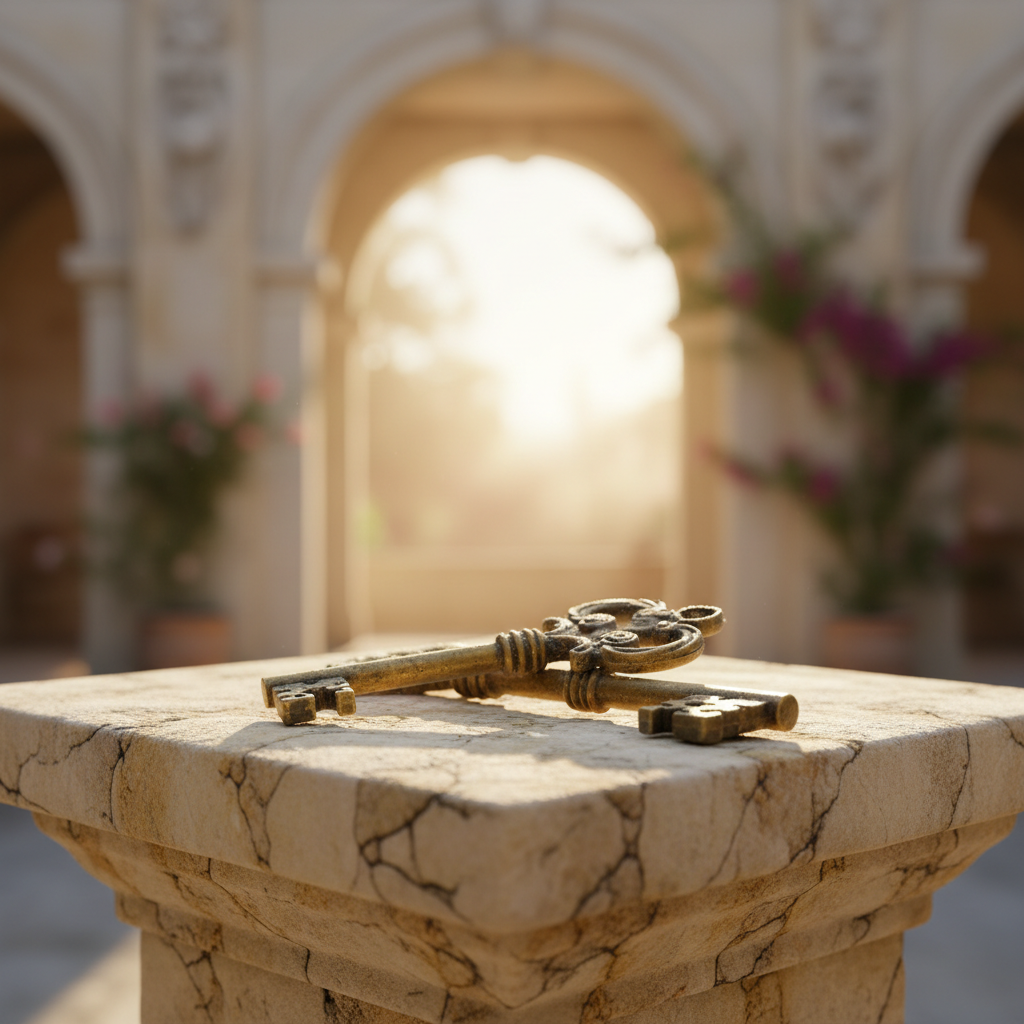
Explore the history of the Portuguese monarchy through five stunning royal palaces located in and around Lisbon and Sintra.
Portugal has a long and storied history as one of the oldest nations in Europe. For centuries, the country was ruled by monarchs who built magnificent residences across the landscape, from the mist-covered hills of Sintra to the bustling heart of Lisbon. These palaces served as symbols of power, centers of art, and quiet retreats for the royal family during the long summer months.
Today, these royal palaces are open to the public, offering a window into a world of incredible craftsmanship, exotic influences, and political intrigue. Visiting these sites allows you to see the evolution of Portuguese architecture, from the medieval Gothic style to the ornate Manueline and the grand Neoclassical eras.
If you are planning a trip to Portugal and want to walk in the footsteps of kings and queens, here are five of the most significant royal palaces you should include in your itinerary.
## 1. The National Palace of Sintra Located right in the center of the historic town of Sintra, just a short drive from Lisbon, the National Palace of Sintra is unmistakable. You will recognize it immediately by its two massive, conical white chimneys rising from the kitchen. This is the best-preserved medieval royal residence in Portugal, having been inhabited by the monarchy almost continuously from the early 15th century until 1910.
The palace is a fascinating mix of architectural styles. Because it was expanded and remodeled over several centuries, you will see elements of Gothic, Manueline, and Moorish design all under one roof. One of the highlights is the Swan Room, named for the beautifully painted swans on the ceiling. Another must-see is the Blazons Hall, which features a stunning dome decorated with the coats of arms of 72 Portuguese noble families.
The walls are covered in some of the oldest and most important collections of "azulejos" (glazed tiles) in the country. Walking through the cool, shaded courtyards and the grand reception rooms gives you a real sense of how the court functioned during the Middle Ages and the Age of Discovery.
## 2. Pena National Palace Perched on the highest peak of the Sintra Mountains, Pena Palace looks like something out of a fairy tale. It was commissioned by King Ferdinand II, a man of great artistic sensibility who wanted a summer residence that reflected the Romanticism of the 19th century.
The palace was built on the ruins of an old monastery. Ferdinand decided to incorporate the original Manueline cloister and chapel into the new structure, surrounding them with vibrant yellow and red towers, battlements, and decorative carvings. The result is a bold, eclectic masterpiece that combines Neo-Gothic, Neo-Islamic, and Neo-Renaissance elements.
Inside, the rooms are preserved exactly as they were when the royal family fled the country in 1910. You can see the private quarters, the grand ballroom, and the dining room, all filled with fine furniture and personal items. The surrounding Pena Park is just as impressive, featuring hidden paths, lakes, and exotic trees brought from all corners of the Portuguese empire.
## 3. Mafra National Palace About 45 minutes north of Lisbon lies the town of Mafra, home to a monument of truly staggering proportions. The Palace of Mafra was built by King João V in the 18th century. It was funded by the immense wealth flowing into Portugal from the gold mines of Brazil.
This site is not just a palace; it is a complex that includes a basilica, a convent, and one of the most beautiful libraries in the world. The building covers four square hectares and contains 1,200 rooms and over 4,500 doors and windows. It is a prime example of Portuguese Baroque architecture, characterized by its scale and its use of fine marble from the nearby region of Sintra and Pero Pinheiro.
The highlight for many visitors is the library. It is a long, vaulted hall lined with thousands of leather-bound books, some dating back to the 15th century. To keep the books safe from insects, the library is home to a colony of small bats that come out at night to eat pests. The basilica is also noteworthy for its six pipe organs and its two carillons, which consist of 98 bells, making it one of the largest historic carillons in existence.
## 4. Queluz National Palace Often referred to as the "Portuguese Versailles," the Palace of Queluz is located halfway between Lisbon and Sintra. It served as a summer retreat for the royal family in the 18th century and later became the permanent residence of Queen Maria I.
Queluz is a refined example of Rococo architecture. The palace is designed to be elegant and light, with a focus on leisure and entertainment. The interiors are decorated with delicate gilded woodcarvings, intricate stucco work, and beautiful wall paintings. The Throne Room and the Ambassadors Room are particularly impressive, showcasing the high-end lifestyle of the court during the Enlightenment.
The gardens at Queluz are just as important as the building itself. They are laid out in a formal French style, with statues, fountains, and a unique canal lined with tiles where the royal family would go boating. The harmony between the architecture and the landscaped gardens makes this one of the most sophisticated royal sites in the country.
## 5. Ajuda National Palace In the Belém district of Lisbon, sitting on a hill overlooking the Tagus River, you will find the Ajuda National Palace. After the great earthquake of 1755 destroyed the royal residence in the city center, the monarchy moved to this site. Construction on the current Neoclassical building began in 1795, but it was never fully completed due to political turmoil and financial difficulties.
Despite being technically unfinished, the palace is incredibly grand. It became the official residence of King Luís I and his wife, Maria Pia of Savoy, in the 19th century. Because it was the actual home of the monarchs until the end of the monarchy, the interiors feel very lived-in and authentic.
Visitors can walk through the state rooms, the king's private study, and the queen's lavishly decorated bedrooms. The Throne Room is still used today by the Portuguese government for official state ceremonies. Recently, the palace's west wing was completed with a modern structure that houses the Royal Treasure Museum, where you can see the crown jewels and magnificent pieces of silver and gold plate.
## Planning Your Visit When planning a trip to these palaces, there are a few practical things to keep in mind:
* **Location and Travel:** Sintra, Queluz, and Ajuda are all within easy reach of Lisbon. Mafra is a bit further north but still a very manageable day trip. * **Walking and Accessibility:** Many of these palaces involve walking up hills or navigating cobblestone paths, especially in Sintra. Comfortable shoes are a must. * **Official Information:** It is always a good idea to check the official websites for each monument regarding opening hours and current access, as these can change for official state events or maintenance. * **Photography:** Most palaces allow photography without a flash, but always look for signs in specific rooms, as some delicate artworks or private collections may have restrictions.
Exploring these royal residences is one of the most rewarding ways to spend your time in Portugal. Each palace tells a different chapter of the country's story, from the maritime glory of the 15th century to the refined elegance of the 18th and 19th centuries.
### Discover Portugal in Comfort Exploring these historic sites is a much more relaxing experience when you do not have to worry about navigation, parking, or public transport schedules. A private driver can provide door-to-door service, picking you up from your hotel in a premium vehicle and ensuring you reach each palace comfortably.
At Portugal Magik, we have spent 14 years helping visitors discover the beauty of Portugal. Our team uses a modern fleet of Mercedes-Benz E-Class, V-Class, and Sprinter vehicles to provide a smooth and professional travel experience. Our English-speaking drivers are dedicated to discerning international travelers seeking premium experiences and can help you navigate the routes between these stunning royal landmarks at your own pace.
If you are ready to plan your journey through the history of the Portuguese monarchy, speak with our team and discover how to turn this experience into reality. Request your personalized proposal today.