5 Historic Squares in Portugal for Sightseeing and a Coffee Break
By Portugal Magik · Published 2026-10-13
Discover five of Portugal's most iconic and historic squares, perfect for soaking in local culture, admiring architecture, and enjoying a relaxing coffee break.
Portugal is a country designed for slow exploration. While there are countless monuments and museums to fill an itinerary, some of the most authentic moments happen in the public squares. These open spaces, known locally as *praças* or *rossios*, have served as the heartbeat of Portuguese social life for centuries. They are the places where history was written, where markets flourished, and where locals still gather today for their daily caffeine fix.
Exploring these squares offers a window into the soul of the country. You can admire the intricate pavement designs (the famous *calçada portuguesa*), observe the architectural shifts from Gothic to Manueline and Baroque, and simply enjoy the rhythm of the city. To help you plan your next walk through the historic centers, here are five of the most iconic squares in Portugal that are perfect for sightseeing and a well-deserved coffee break.
## 1. Praça do Comércio, Lisbon
Often referred to by locals as Terreiro do Paço, this is undoubtedly one of the most grand squares in Europe. Located right on the edge of the Tagus River, it served as the gateway to the city for centuries. Before the Great Earthquake of 1755, this was the site of the Royal Ribeira Palace. Today, it is a vast, symmetrical plaza surrounded by bright yellow Pombaline buildings and elegant arcades.
### Why it is special The scale of Praça do Comércio is breathtaking. In the center stands the bronze equestrian statue of King José I, and to the north, the monumental Arco da Rua Augusta serves as a triumphal entrance to the city center. The square opens directly onto the river at the Cais das Colunas, where marble steps lead down to the water. The light here, especially at sunset, is legendary.
### The Coffee Break Under the cool arches of the surrounding buildings, you will find several historic and modern cafes. The most famous is Martinho da Arcada, which opened in 1782. It was a favorite haunt of the poet Fernando Pessoa. Sitting here with a *bica* (a Lisbon-style espresso) allows you to soak in over two hundred years of literary and social history while watching the trams rattle by in the distance.
## 2. Praça do Giraldo, Évora
Deep in the heart of the Alentejo region lies Évora, a city that feels like an open-air museum. At its center is Praça do Giraldo. This square is a tribute to Fearless Gerald, the man who conquered the city from the Moors in the 12th century. The square is long and framed by beautiful Gothic arches and white-fronted buildings that reflect the intense Alentejo sun.
### Why it is special Praça do Giraldo is a masterclass in regional architecture. At one end sits the Church of Santo Antão, and right in front of it is a beautiful Renaissance fountain made of marble. This fountain has eight spouts, each representing one of the eight streets that lead into the square. It has been a central meeting point for the people of Évora since the 1500s.
### The Coffee Break The square is lined with outdoor terraces. Because the Alentejo can get quite warm, these cafes are equipped with large umbrellas and misting systems. It is the perfect spot to try a local pastry, like a *pão de rala* or a *queijada de Évora*, while looking at the Roman influences that permeate the city. The pace here is slower than in Lisbon, encouraging you to linger over your coffee.
## 3. Praça da República, Coimbra
Coimbra is famous for its ancient university, one of the oldest in the world. While the university hilltop is magnificent, the social life of the city often gravitates toward Praça da República. This square acts as a bridge between the historic upper city and the modern residential areas, and it is almost always buzzing with the energy of students wearing their traditional black capes.
### Why it is special Unlike the formal, royal squares of Lisbon, Praça da República feels academic and bohemian. It is bordered by the lush Jardim da Sereia (Mermaid Garden), providing a green backdrop to the urban setting. The square is a hub for student celebrations and political gatherings, making it the best place to witness the unique traditions of Coimbra.
### The Coffee Break The cafes here are institutions. You will find venues that have hosted generations of scholars and poets. The atmosphere is intellectual yet relaxed. Ordering a *café cheio* (a slightly longer espresso) and watching the students rush to class or gather for a chat is a quintessential Coimbra experience. If you are lucky, you might even hear the distant strumming of a Coimbra Fado guitar.
## 4. Praça da Liberdade, Porto
Located at the lower end of the grand Avenida dos Aliados, Praça da Liberdade is the civic heart of Porto. It represents the city's 19th-century expansion and its liberal, hardworking spirit. The square is dominated by a large statue of King Pedro IV holding the Constitutional Charter, a symbol of the city's historical fight for freedom.
### Why it is special The architecture surrounding this square is some of the most imposing in Portugal. Huge granite buildings with ornate facades and slate roofs give the area a sturdy, northern feel. It is just a short walk from the Sao Bento Train Station, famous for its blue and white tile panels, making it an essential stop for any sightseer.
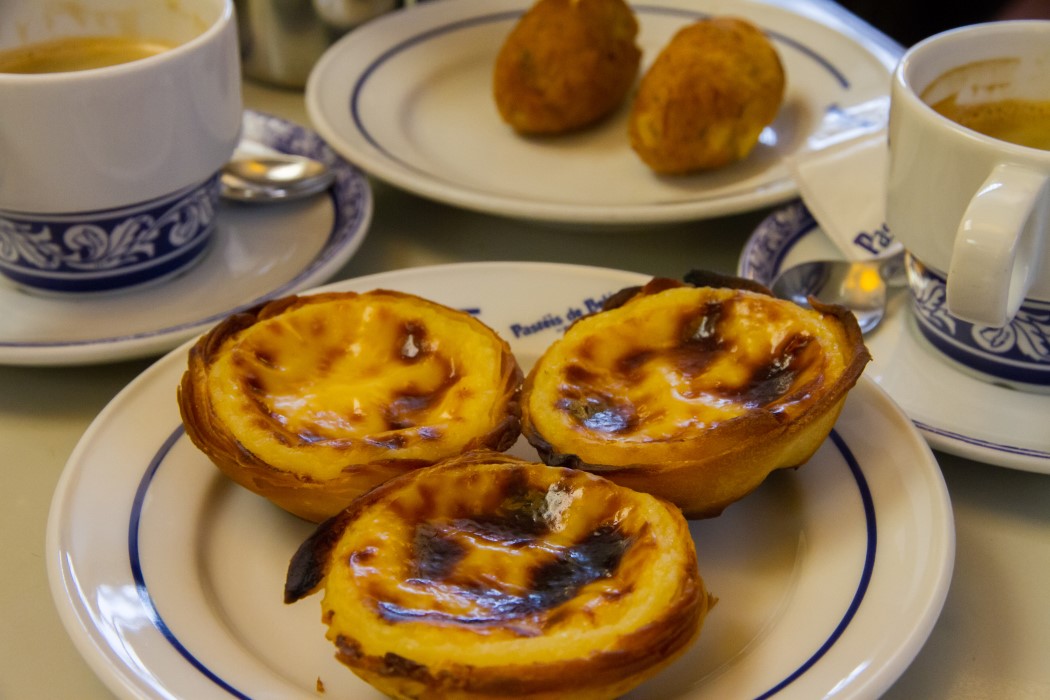
### The Coffee Break For a truly unique experience, many visitors head to the nearby Imperial McDonald’s. While that might sound unusual, this specific location is housed in the historic Cafe Imperial, a 1930s Art Deco masterpiece with stained glass and crystal chandeliers. However, if you prefer a traditional local establishment, there are several historic "confeitarias" in the streets branching off the square where you can enjoy a coffee alongside a *pastel de nata* or a *bola de Berlim*.
## 5. Praça do Município, Guimarães
Guimarães is known as the "Cradle of the Nation," and its historic center is a UNESCO World Heritage site. While the Largo da Oliveira is famous, the nearby Praça do Município (also known as Largo do Município) offers a more tranquil and stately experience. It is framed by the beautiful 16th-century Town Hall, which was once a convent.
### Why it is special This square feels like a film set. The medieval and Renaissance buildings are impeccably preserved, featuring traditional wooden balconies and stone masonry. The pavement is a beautiful example of the artistic patterns created with small cobblestones. It is much quieter than the squares in Lisbon or Porto, offering a sense of peace that fits the city's historical gravity.
### The Coffee Break The cafes here are small and intimate. Sitting at a table in the square allows you to look up at the castle and the Palace of the Dukes of Braganza on the hill above. It is a fantastic spot to enjoy a *café pingado* (espresso with a drop of milk) and reflect on the origins of the Portuguese kingdom. The service is usually warm and personal, typical of the Minho region.
## Tips for Enjoying Portuguese Squares
When you are exploring these historic hubs, there are a few local customs that can make your experience even better.
* **The Price of a View:** In many tourist-heavy areas, the price of a coffee or snack might be slightly higher if you sit outside on the terrace versus standing at the counter inside. Most visitors find the small extra cost well worth the view and the people-watching opportunities. * **Morning vs. Afternoon:** Portuguese squares change character throughout the day. In the morning, they are quiet and functional. By late afternoon, they become social centers where families gather and friends meet before dinner. * **Cobblestone Caution:** The *calçada portuguesa* is beautiful but can be slippery, especially when wet or polished by centuries of footsteps. Comfortable walking shoes are a must for sightseeing in these areas.
## Exploring with Comfort and Ease
Navigating the historic centers of Portugal can be a joy, but it also involves a fair amount of walking and navigating narrow streets. For travelers who want to see these iconic squares without the stress of driving in foreign cities or finding parking, a private driver service is an excellent solution.
Portugal Magik has spent 14 years helping international travelers discover the best of the country. With a fleet of premium Mercedes-Benz vehicles, including E-Class sedans and V-Class vans, we provide a seamless way to travel between these historic locations. Having a professional English-speaking driver means you can be dropped off right at the edge of these squares, avoiding the logistical headaches and focusing entirely on the history and the atmosphere.
Whether you are starting your journey in the grand plazas of Lisbon or winding through the medieval streets of Guimarães, our team is dedicated to ensuring your time in Portugal is comfortable and memorable.
Speak with our team and discover how to turn this experience into reality. Request your personalized proposal today.