5 Historic Riverside Towns in Portugal You Must Visit
By Portugal Magik · Published 2026-11-13
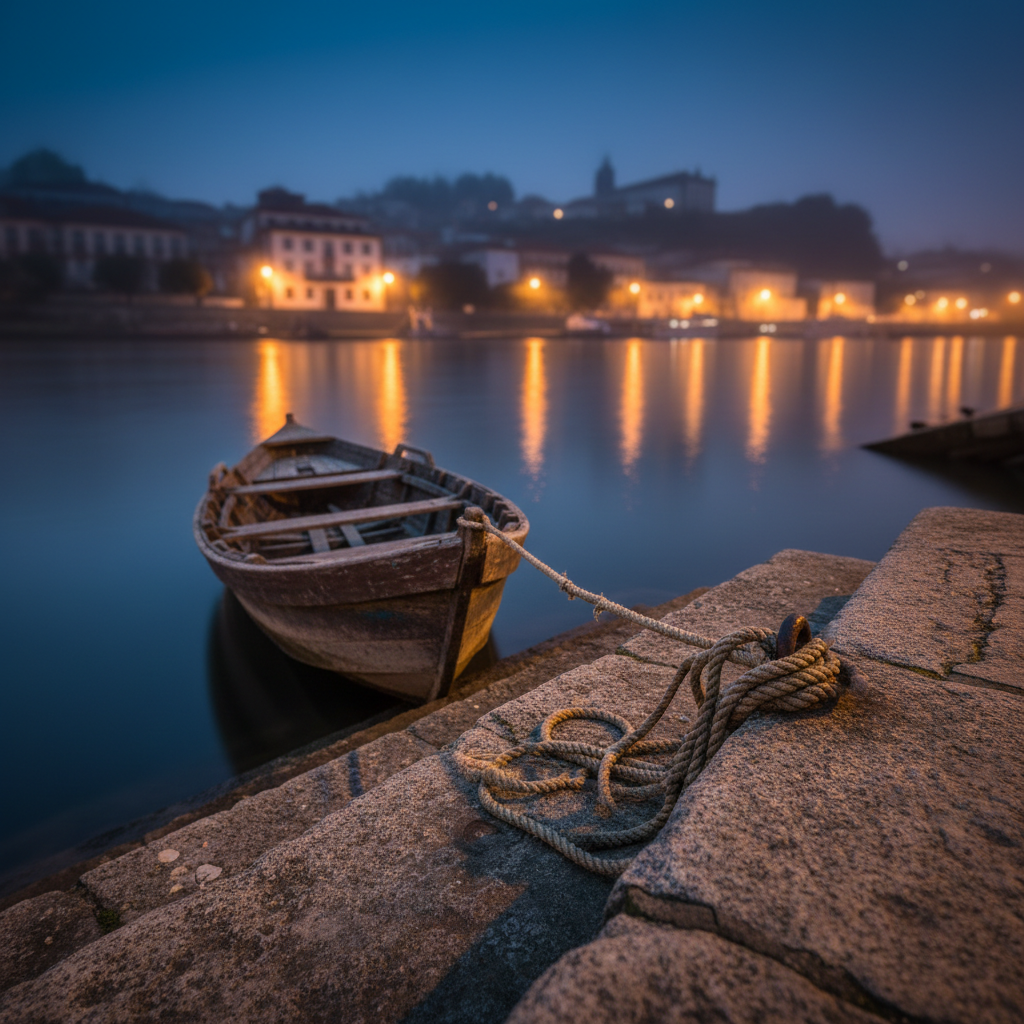
Discover five of Portugal's most enchanting riverside towns, from the vineyard-covered hills of Pinhão to the ancient salt-trading ports of Alcácer do Sal.
Imagine sitting on a worn stone bench as the late afternoon sun turns the surface of a wide river into shimmering gold. The air smells of salt and old stone, and the only sound is the rhythmic lap of water against a medieval wall. In Portugal, the history of the nation has always been written along its riverbanks. These waterways were once the highways of explorers and the lifeblood of trade, leaving behind a legacy of fortified towns and elegant port cities.
Exploring these riverside gems offers a slower pace of travel. You can wander through narrow alleys that have remained unchanged for centuries, then emerge into a sun-drenched square overlooking a tranquil quay. Whether it is the dramatic gorges of the north or the wide, slow-moving estuaries of the south, the relationship between the town and the water creates a unique atmosphere that you simply cannot find in the hills or the modern suburbs.
Here are five historic riverside towns that capture the true soul of Portugal.
## 1. Amarante: Romance on the Tâmega River
Nestled in the lush, green Minho region, Amarante is arguably one of the most romantic settings in the country. The town is built along the steep banks of the Tâmega River, with willow trees dipping their branches into the slow current. The heart of the town is the Ponte de São Gonçalo, a stunning arched bridge that played a heroic role in defending the town during the Napoleonic invasions. Standing on this bridge, you feel the weight of history beneath your feet while looking out at the reflection of the giant granite monastery in the water.
The atmosphere here is one of quiet contemplation and indulgence. As you walk the riverfront, you will find small pastry shops selling the town’s famous egg-based sweets, like the papos de anjo. The sound of church bells often drifts across the water, mixing with the gentle chatter of locals enjoying an espresso by the river. It is a place where time seems to stretch, inviting you to linger over a glass of crisp Vinho Verde while watching the ducks glide past the ancient stone buttresses.
## 2. Pinhão: The Heart of Douro Wine Country
Located at a dramatic bend where the Pinhão River meets the mighty Douro, this small town is the spiritual center of the world's oldest demarcated wine region. The landscape here is breathtaking, characterized by steep, terraced vineyards that look like giant green staircases carved into the mountains. In Pinhão, the river is the focal point, reflecting the golden hues of the surrounding hills. The air often carries a faint, sweet scent of fermenting grapes during the autumn harvest season.
The town itself is home to one of Portugal’s most beautiful railway stations, decorated with intricate blue and white tiles that depict the traditional way of life in the valley. Walking along the riverfront, you can see the traditional rabelo boats, which were once used to transport barrels of Port wine down to the coast. The light in Pinhão is particularly special, changing from a soft morning mist to a brilliant, sharp clarity that makes the rows of vines stand out in high relief against the deep blue of the water.
## 3. Alcácer do Sal: An Ancient Gateway on the Sado
Rising above the banks of the Sado River in the Alentejo region, Alcácer do Sal is a town that feels ancient and proud. Its history stretches back to the Phoenicians and Romans, and its medieval castle keeps watch over a wide, sweeping curve in the river. The waterfront has been beautifully restored, featuring a long promenade lined with white buildings and palm trees. Here, the river is wide and tidal, creating a sense of openness and light that is typical of the southern Portuguese landscape.
The pace of life in Alcácer is wonderfully slow. You might see storks nesting on top of old chimneys or church steeples, their distinctive bill-clattering echoing through the quiet streets. The town is surrounded by salt pans and rice paddies, giving the air a unique, fresh quality. Dining along the river at sunset is a highlight, as the sky turns shades of pink and orange, reflecting perfectly in the still water of the estuary. It is a sophisticated, understated destination for those who appreciate history without the crowds.
## 4. Tomar: History and Templar Legends on the Nabão
While many visit Tomar for the magnificent Convent of Christ, the town itself is a riverside beauty built around the banks of the Nabão River. The river flows right through the center, feeding a lush park known as Mouchão, where a large wooden waterwheel still turns lazily in the current. This green oasis in the middle of the river is connected by small bridges and offers a cool, shaded retreat from the afternoon sun. The sound of rushing water over small weirs provides a constant, soothing soundtrack to your explorations.
The historic center of Tomar is a grid of narrow streets filled with traditional shops and small family-run eateries. Walking towards the river, the architecture opens up into grand squares that have witnessed centuries of religious and royal processions. The presence of the water gives the town a fresh, vibrant energy, contrasting with the solemn, ancient stone of the Templar castle on the hill above. It is a place of deep layers, where every corner seems to tell a story of knights, monks, and explorers.
## 5. Tavira: The Coastal Charm of the Gilão
In the eastern Algarve, Tavira stands as a testament to an era before modern tourism changed the coastline. The Gilão River divides the town in two, joined by a graceful bridge often referred to as the Roman Bridge (though its current form is medieval). The river here is influenced by the tides of the Atlantic, and you can watch the water levels rise and fall against the bright white facades of the town’s traditional houses. The light in Tavira is legendary, a bright, sparkling quality that makes the colorful tiles and blooming bougainvillea look exceptionally vivid.
Tavira is often called the city of churches, and you can see their domes and spires reflected in the river from almost any vantage point. The riverfront is a lively place, filled with people walking to the nearby ferry or enjoying a meal of fresh seafood caught that morning. There is a sense of balance here between the land and the sea, with the river acting as the bridge between the two. The atmosphere is elegant and traditional, offering a glimpse into a sophisticated side of southern Portugal that remains deeply connected to its maritime roots.
## Planning Your Journey
When visiting these historic riverside towns, it is helpful to keep a few practical tips in mind to make the most of your experience.
### Getting Around While Portugal has a decent train network, many of these towns, especially in the Douro and Alentejo regions, are best reached by road to truly appreciate the scenic landscapes between them. Having a dedicated vehicle allows you the flexibility to stop at a viewpoint or a small village that isn't on the main rail line.
### When to Visit Spring and autumn are arguably the best times to explore these areas. The weather is mild, the light is soft for photography, and the natural scenery, whether it is the blossoms in Amarante or the golden vines in Pinhão, is at its peak. Summer can be quite warm, especially in the interior towns like Tomar and Alcácer do Sal, so early morning or late afternoon visits are recommended.
### Local Flavors Each of these towns has a deep culinary connection to its river. In the north, look for lamprey or trout, while in the south, the estuaries provide an abundance of clams, oysters, and razor clams. Always ask for the local specialty, as these recipes are often passed down through generations and vary significantly from one river basin to the next.
### Accessibility Most of these historic centers feature traditional cobblestone streets (calçada portuguesa). While beautiful, they can be uneven, so comfortable walking shoes are a must. Many riverside areas have been modernized with flat wooden boardwalks or paved promenades, making the immediate waterfront areas very accessible for a leisurely stroll.
Portugal's rivers are more than just geographical features; they are the soul of the landscape. Exploring these towns allows you to see the country from a different perspective, one where the flow of water has shaped the culture, the food, and the very stones of the buildings. Whether you are drawn to the rugged mountains of the north or the sun-drenched plains of the south, these riverside destinations offer a timeless beauty that stays with you long after you have returned home.
If you are looking to explore these historic gems with ease and comfort, a private chauffeured experience can make all the difference. Our professional English-speaking drivers provide seamless door-to-door transport in high-end Mercedes-Benz vehicles, allowing you to focus entirely on the scenery and the history. Request your personalized proposal today and discover how we can help you experience the best of Portugal.