5 Castles in Portugal to Pair with an Old Town Walk
By Portugal Magik · Published 2026-10-20
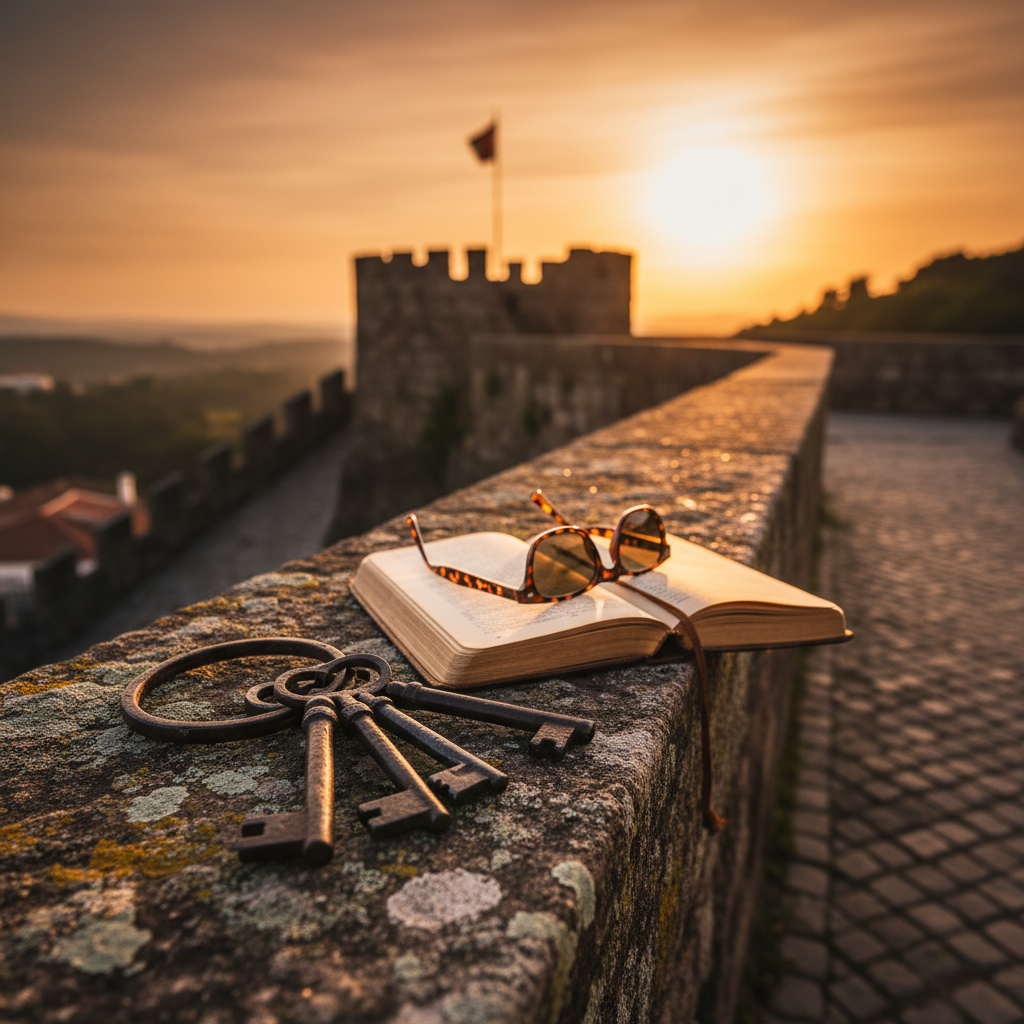
Discover 5 stunning Portuguese castles perfectly paired with charming old town walks, from the heights of Lisbon to the quiet streets of Monsaraz.
Portugal is a land of layers. You can feel it in the cobblestones, see it in the architecture, and certainly hear it in the stories told by locals. One of the most satisfying ways to experience this history is by visiting a medieval castle and then slowly walking down into the old town that grew at its feet. These sites offer a direct connection between the defensive needs of the past and the vibrant, social life of the present.
Walking through an old town after visiting a castle helps you understand the layout of a city. You see how the narrow streets were designed for protection, how the markets clustered near the gates, and how the churches were often the second most important structure after the fortress. When you travel through Portugal, these pairings of stone ramparts and winding alleys provide the perfect pace for a day of discovery.
Here are five exceptional castles in Portugal that are perfectly paired with a walk through a historic old town.
## 1. The Castle of Saint George and the Alfama District in Lisbon
Perched on the highest hill in the city, the Castle of Saint George (Castelo de São Jorge) is the most recognizable landmark in Lisbon. Its history dates back to the Moorish period and earlier, serving as a royal residence for centuries. The views from the battlements are some of the best in the capital, offering a panoramic look at the Tagus River and the red-tiled roofs below.
### The Walk Down through Alfama Once you exit the castle gates, you are immediately in the Santa Cruz neighborhood, which transitions seamlessly into Alfama. This is the oldest district in Lisbon and one of the few to survive the Great Earthquake of 1755.
Walking here is like entering a labyrinth. The streets are narrow, sometimes barely wide enough for two people to pass, and laundry hangs from wrought-iron balconies. As you descend, you will pass small squares where locals sit and chat, and tiny shops selling ginjinha (cherry liqueur). The walk eventually leads you down to the Fado houses and the Lisbon Cathedral (Sé de Lisboa), making it a complete immersion in the city’s soul.
## 2. Guimarães Castle and the Birthplace of the Nation
Located in the north, Guimarães is often called the cradle of Portugal. The castle here is a stern, impressive stone structure where the first King of Portugal, Afonso Henriques, was likely born. It stands on a hill overlooking the city, symbolizing the very beginning of the Portuguese identity.
### Exploring the Medieval Center From the castle, a short, pleasant walk through the park takes you toward the Palace of the Dukes of Braganza and then into the heart of the old town. The historic center of Guimarães is a UNESCO World Heritage site, and for good reason.
The walk takes you through Largo da Oliveira and Praça de Santiago. These squares are framed by half-timbered houses and granite porches that look exactly as they did centuries ago. The atmosphere is cozy and incredibly well-preserved. It is a fantastic place to sit at an outdoor cafe and watch the world go by after exploring the high stone walls of the fortress.
## 3. The Castle of Óbidos and the Walled Village
Óbidos is unique because the entire town is still contained within the castle walls. The castle itself has been converted into a high-end inn (Pousada), but the fortifications are open for those who wish to walk the perimeter. It is one of the most picturesque locations in the country, located just about an hour north of Lisbon.
### A Stroll Along the Rua Direita The "old town walk" in Óbidos starts the moment you pass through the main gate, which is decorated with beautiful blue and white tiles. The main street, Rua Direita, is lined with whitewashed houses trimmed in blue or yellow paint and overflowing with bougainvillea.
While the main street is popular, the real magic happens when you duck into the side alleys. These quiet paths lead to small churches, hidden bookstores, and viewpoints over the surrounding countryside. Because the town is small, you can easily explore every corner before finishing your walk with a taste of the local chocolate and cherry liqueur.
## 4. The Castle of Tomar and the Knights Templar Heritage
The Castle of Tomar and the Convent of Christ form one of the most significant historical complexes in Europe. Once the headquarters of the Knights Templar in Portugal, the site is a masterpiece of Manueline architecture, featuring the famous Chapter House window. The castle walls offer a commanding view of the Nabão River and the town below.
### The Descent to the Town Center After exploring the complex, a downhill walk through a forested park brings you into the center of Tomar. The town is laid out in a grid pattern that was quite advanced for its time, influenced by the Order of Christ.
The walk leads you to the Praça da República, where the Church of São João Baptista stands with its beautiful Manueline portal. Nearby, you can find the 15th-century synagogue, one of the best-preserved in Portugal. The riverside area, with its ancient waterwheel and lush parks, provides a peaceful conclusion to a day spent studying the mysteries of the Templars.
## 5. The Castle of Monsaraz and the Great Lake Views
Deep in the Alentejo region, near the Spanish border, sits the fortified village of Monsaraz. The castle here is made of local schist and stands at the edge of a high ridge. From its towers, you can look out over the Alqueva reservoir, one of the largest artificial lakes in Europe, and the vast plains of the Alentejo.
### The Timeless Streets of Schist Monsaraz is a tiny village, but its impact is immense. The walk from the castle through the two main streets (Rua Direita and Rua de Santiago) feels like stepping back into the 14th century. The houses are all white, the streets are paved with dark stone, and the silence is profound.
This is a place to walk slowly. There are no cars allowed in the center, so the only sounds are your footsteps and the occasional bird. The town is filled with small craft shops selling Alentejo blankets and pottery. Watching the sunset from the western walls after a walk through the village is an experience that many travelers find to be the highlight of their trip.
## Planning Your Castle and Old Town Experience
Visiting these sites is most enjoyable when you don't have to worry about the logistics of navigation or parking. Many of these historic centers have restricted traffic zones and very limited parking, which can be stressful for international visitors.
### The Benefits of a Private Driver Choosing a private tour with a professional driver allows you to be dropped off at the castle gates and picked up later at the bottom of the old town. This saves you from having to walk back uphill to a parked car and gives you the freedom to explore at your own pace.
When you travel in a premium vehicle, like a Mercedes-Benz E-Class or a V-Class for larger groups, the journey between these towns becomes part of the relaxation. You can enjoy the scenery of the Portuguese countryside while your driver handles the narrow roads and local traffic.
### Practical Tips for Walkers * **Footwear:** Portuguese cobblestones (calçada) can be slippery, especially when wet or worn smooth. Wear shoes with good grip and cushioning. * **Hydration:** Especially in the Alentejo or during the summer in Lisbon, carry water. Many old towns have historic fountains, but it is always best to have your own supply. * **Timing:** To avoid the busiest times, try to visit the castles early in the morning. This often leaves the midday and afternoon for a leisurely lunch and a slow walk through the town. * **Accessibility:** Most of these old towns involve steep inclines and uneven surfaces. If you have mobility concerns, a private driver can often suggest the most accessible routes or viewpoints.
## Conclusion
The connection between a castle and its town tells the story of how Portugal evolved from a collection of defensive outposts into a welcoming, vibrant country. Whether you are looking over the rooftops of Lisbon or the quiet plains of the Alentejo, these five locations offer a perfect blend of grand history and local charm.
Exploring these sites with the comfort and flexibility of a private service ensures that your focus remains on the beauty of the architecture and the stories of the past. Speak with our team and discover how to turn this experience into reality. Request your personalized proposal today.