4 Mountain Areas in Portugal to Explore Castles and Mountain Scenery
By Portugal Magik · Published 2026-10-26
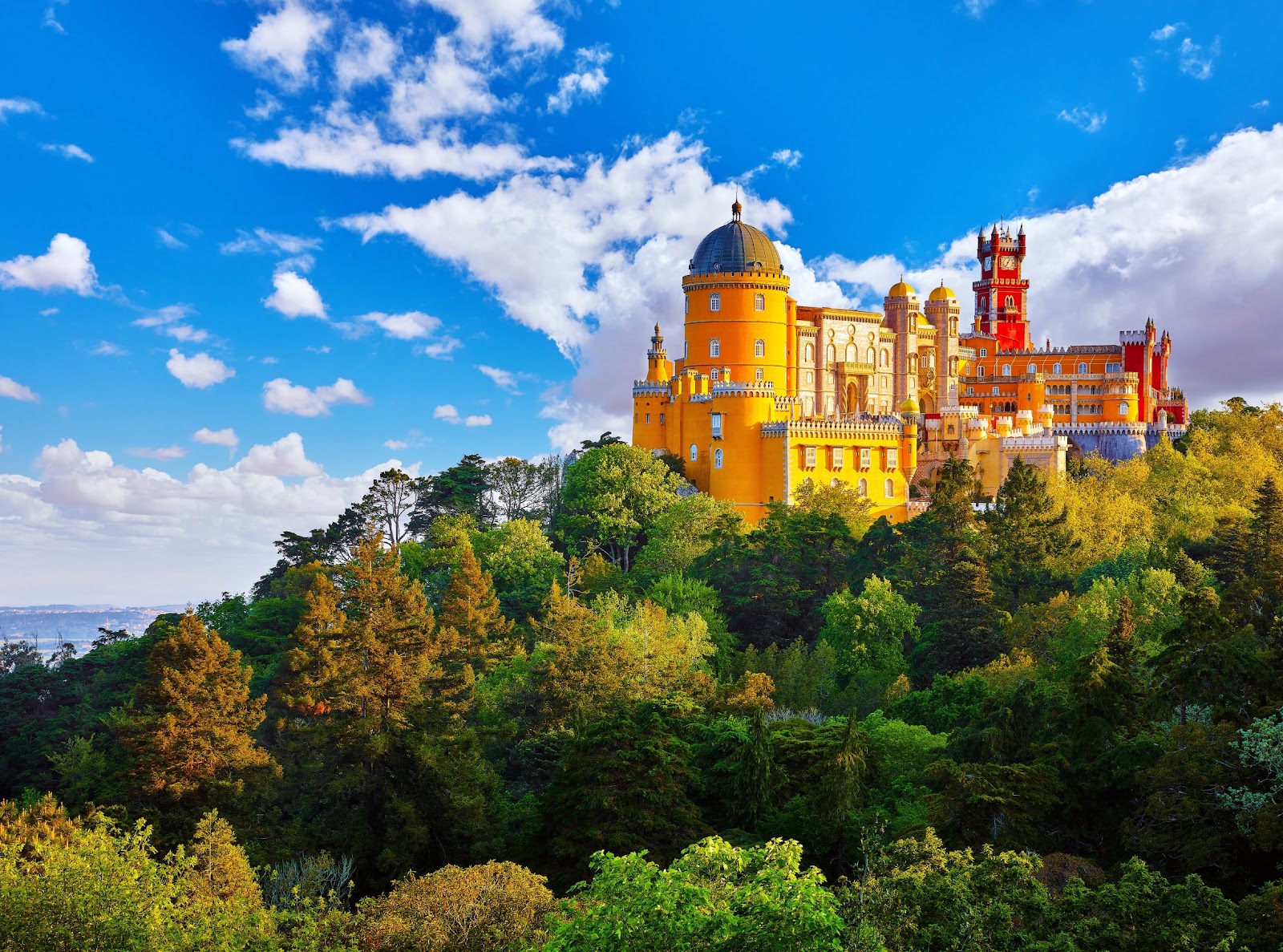
Discover four stunning mountain regions in Portugal where medieval castles meet breathtaking natural scenery, from the peaks of Serra da Estrela to the wild Peneda-Geres.
Portugal is often celebrated for its golden coastline and the Atlantic breeze of its major cities. However, the heart of the country holds a different kind of magic. As you move away from the ocean and toward the interior, the landscape shifts into dramatic granite peaks, dense forests, and silent valleys. These high altitude regions were once the front lines of ancient kingdoms, which explains why so many mountain ridges are crowned by formidable stone fortresses.
Exploring these areas offers a mix of crisp air, sweeping views, and a deep connection to history. Whether you are interested in the medieval history of the borderlands or the quiet beauty of a high altitude village, these four mountain areas provide a refreshing perspective on the Portuguese landscape.
## 1. Serra da Estrela and the Historic Villages The Serra da Estrela is the highest mountain range in Portugal. While it is famous for its winter snow and the unique creamy cheese that bears its name, the region is equally compelling for those who love history. The mountains here served as a natural barrier, and the surrounding foothills are dotted with what are known as the Twelve Historic Villages.
### Castles in the Clouds In this region, you can find the Castle of Linhares da Beira. Standing at over 800 meters above sea level, this medieval fortress offers a commanding view over the Mondego Valley. The stone walls seem to grow directly out of the granite outcrops. Nearby, the village of Folgosinho also boasts a small but picturesque fortification that overlooks the winding mountain roads.
### The Landscape The scenery in Serra da Estrela is rugged and glacial. You will find massive granite boulders scattered across the landscape like giant marbles. A drive to the Torre, the highest point in the country, reveals a vast plateau where the wind carries the scent of wild herbs. The Zezere Glacial Valley, a U-shaped valley carved by ancient ice, is one of the most photographed natural sites in the region.
## 2. The Northern Border: Peneda-Geres Located in the far northwest corner of Portugal, the Peneda-Geres National Park is a place of wild beauty. It is a land of oak forests, crystal-clear streams, and wolves. Because it sits right on the border with Spain, it has been a strategic military location for centuries.
### Lindoso and Castro Laboreiro The village of Lindoso is home to a beautifully preserved 13th-century castle. What makes this site unique is not just the fortress, but the collection of over 50 stone granaries (called espigueiros) that sit just outside its walls. These stone structures, built on stilts to keep rodents away from the corn, look like miniature tombs and create a hauntingly beautiful scene against the mountain backdrop.
Further north is Castro Laboreiro. The ruins of its castle are perched so high that they are often shrouded in mist. The climb to the top is rewarded with views of the rugged frontier and the traditional mountain houses made of dark stone.
### The Landscape This area is defined by water and granite. You will see numerous waterfalls and ancient Roman roads, including the Geira, which still features original milestones from two millennia ago. The vegetation is lush and green, offering a stark contrast to the drier mountains further south.
## 3. Serra de Sao Mamede and Marvao Moving toward the Alentejo region, the landscape typically flattens into plains of cork oak. However, the Serra de Sao Mamede rises unexpectedly near the Spanish border, creating a micro-climate that is cooler and greener than the surrounding plains.
### The Eagle’s Nest of Marvao Marvao is often described as one of the most beautiful villages in the world. It is a completely walled town sitting on a jagged crest of rock. The castle here is impeccably maintained, featuring high walls and a massive cistern that once ensured the village could survive long sieges. From the top of the ramparts, you can see for miles in every direction, looking deep into Spain and across the Alentejo.
Just a short drive away is Castelo de Vide. While Marvao is rugged and military, Castelo de Vide is famous for its white houses, flowered alleys, and its well-preserved Jewish Quarter. Its own castle overlooks the town, providing a softer but no less impressive mountain vista.
### The Landscape The Sao Mamede range is a haven for birdwatchers and hikers. The hills are covered in chestnut trees and cork oaks. Because of the elevation, the light here has a specific clarity that makes it a favorite for photographers, especially during the golden hour when the white walls of Marvao seem to glow.
## 4. The Schist Villages of Serra da Lousa The Serra da Lousa, located in Central Portugal, offers a different aesthetic. Unlike the gray granite of the north, these mountains are made of schist, a dark, flaky stone. This gives the local architecture a warm, earthy tone that blends perfectly into the forest.
### Lousa Castle At the foot of the mountain, tucked into a deep fold of the hills, lies the Castle of Lousa (also known as Arouce Castle). It is smaller and more intimate than the great border fortresses. It sits next to a river beach and a small sanctuary, making it feel like a location from a folk tale rather than a military installation.
### The Schist Villages As you drive higher into the Serra da Lousa, you discover hidden villages like Talasnal and Candal. These villages were nearly abandoned decades ago but have been lovingly restored. The houses, built entirely of dark schist, cling to the steep hillsides. There are no grand palaces here, just the simple, sturdy beauty of mountain life.
### The Landscape Serra da Lousa is densely forested. You will find pines, cork oaks, and ancient chestnuts. It is a place of deep silence, occasionally broken by the sound of a hidden waterfall or the sighting of a deer or wild boar. The roads are narrow and winding, offering glimpses of the valley below through the thick canopy of trees.
## Practical Information for Mountain Travel
### Getting Around The best way to see these areas is by road. While Portugal has an excellent train system between major cities, the mountain castles and schist villages are generally not accessible by rail. The roads are well-maintained but can be very narrow and involve many sharp turns. If you are not comfortable driving in these conditions, a private driver is a highly recommended alternative.
### Weather and Timing Mountain weather in Portugal can be unpredictable. Even in the summer, temperatures at high elevations can be significantly cooler than at the coast. In the winter, snow is common in Serra da Estrela and Peneda-Geres, which may lead to temporary road closures. The best time for exploring the castles and scenery is typically late spring (May and June) or early autumn (September and October), when the weather is mild and the natural colors are most vibrant.
### Local Flavors Each mountain region has its own culinary identity. In the Serra da Estrela, look for the Queijo da Serra cheese. In the north, the local beef (Barrosa) is famous. In the Lousa mountains, honey and wild boar are staples. Stopping at a small village tavern is often the highlight of the trip, offering a chance to taste authentic flavors that rarely make it to the big city restaurants.
## Planning Your Journey Exploring the mountains of Portugal requires a slower pace. These are not places to be rushed. The beauty lies in the transition from the busy coast to the silent peaks, and in the discovery of a fortress that has stood for eight hundred years.
If you are looking for a seamless way to explore these rugged landscapes without the stress of navigating mountain roads or managing logistics, a private tour is the ideal choice. Portugal Magik offers a premium fleet of Mercedes-Benz vehicles, including E-Class sedans for couples and V-Class or Sprinter vans for larger groups. With a professional English-speaking driver to handle the mountain passes, you are free to focus entirely on the scenery and the history.
Whether you want to see the heights of Marvao or the hidden schist villages of Lousa, a customized itinerary ensures you see the best of the Portuguese interior at your own speed.
Speak with our team and discover how to turn this experience into reality. Request your personalized proposal today.