12 Portuguese Dishes You Must Try
By Portugal Magik · Published 2026-10-06
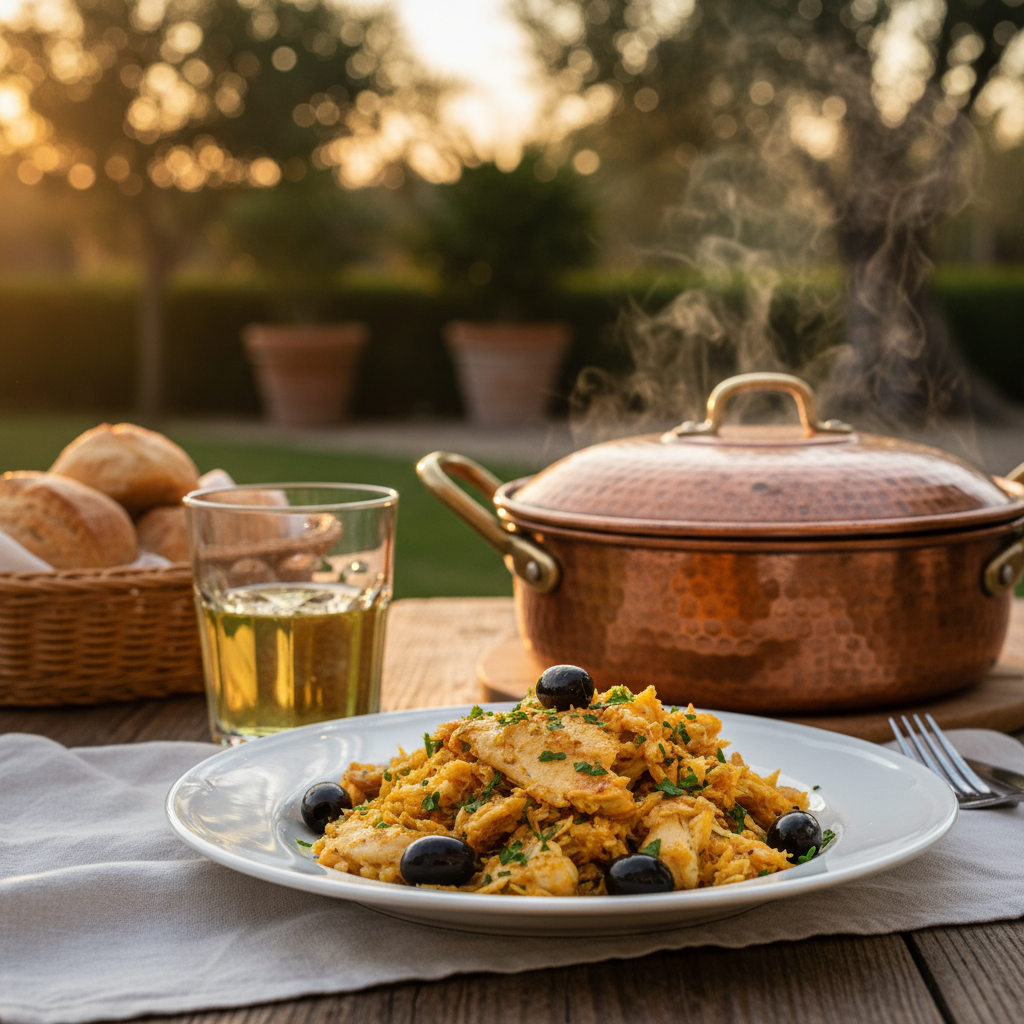
Discover the authentic flavors of Portugal, from the iconic Pastel de Nata to the savory Bacalhau a Bras, in this guide to the country's most essential dishes.
Portuguese cuisine is often described as the best-kept secret in Europe. It is a kitchen built on the quality of ingredients rather than the complexity of techniques. In Portugal, the focus is on the Atlantic Ocean, the rolling olive groves of the Alentejo, and the centuries-old tradition of the wood-fired oven.
For travelers visiting Portugal, the food is a gateway to the culture. Whether you are dining in a refined restaurant in Lisbon or a small family-run tavern in a hilltop village, you will find that hospitality is always served alongside the meal.
Here are twelve essential dishes that define the Portuguese palate.
## The Seafood Staples
With a coastline stretching hundreds of miles, it is no surprise that fish and shellfish dominate the national menu.
### 1. Bacalhau a Bras They say there are more than 365 ways to cook salted cod (bacalhau) in Portugal, one for every day of the year. Bacalhau a Bras is arguably the most beloved version. This dish originated in the Lisbon neighborhood of Bairro Alto. It consists of shredded cod, thinly sliced fried potatoes (resembling matchsticks), and scrambled eggs. It is topped with black olives and fresh parsley. The result is creamy, salty, and incredibly comforting.
### 2. Polvo a Lagareiro In Portuguese, a lagareiro is a person who works in an olive oil press. This dish celebrates that liquid gold. A whole octopus is first boiled until tender and then roasted in the oven with a generous (often staggering) amount of high-end olive oil and garlic. It is typically served with "murro" potatoes, which are small potatoes boiled in their skins and then "punched" or lightly smashed before being roasted.
### 3. Grilled Sardines (Sardinhas Assadas) If you visit Portugal in June, especially during the festivals of the Popular Saints, the air will be thick with the scent of charcoal-grilled sardines. This is simplicity at its finest. The fish are coated in coarse sea salt and grilled whole. The traditional way to eat them is on top of a thick slice of sourdough bread, which soaks up the flavorful oils from the fish.
## Hearty Meat Dishes
While the coast offers seafood, the interior of the country is the land of rich, slow-cooked meats and savory stews.
### 4. Cozido a Portuguesa This is the ultimate Portuguese comfort food. It is a heavy, rustic stew that varies by region but generally includes a variety of meats like beef, pork, and various smoked sausages (chouriço, farinheira, and morcela). These are boiled together with cabbage, carrots, turnips, and potatoes. The water used to boil the meats is then used to cook rice or beans, making for a deeply flavorful feast.
### 5. Carne de Porco a Alentejana This dish is a fascinating example of "land meets sea." Hailing from the Alentejo region, it combines cubes of marinated pork with small clams. The pork is fried and then simmered with garlic, paprika, and white wine before the clams are added. It is served with fried potato cubes and topped with fresh cilantro. It is a savory, briny combination that showcases the diversity of Portuguese ingredients.
### 6. Leitão da Bairrada In the Bairrada region, located between Coimbra and Aveiro, suckling pig is the local star. The piglet is rubbed with a paste of garlic, pepper, and lard, then roasted on a spit in a wood-fired oven. The goal is a skin that is incredibly crispy and golden, while the meat remains tender and juicy. It is traditionally served with orange slices and sparkling wine from the same region.
### 7. Francesinha Originating in Porto, the Francesinha is a monumental sandwich. It is loosely based on the French croque-monsieur but amplified to an extreme. Inside the bread, you will find wet-cured ham, linguiça, fresh sausage, and steak. The sandwich is covered with melted cheese and a thick, hot tomato and beer-based sauce. Most people order it with a fried egg on top and a side of french fries to soak up the extra sauce.
## Regional Specialties and Snacks
Portuguese food is not always a formal sit-down affair. Some of the best flavors are found in quick bites or specific regional specialties.
### 8. Arroz de Pato (Duck Rice) Duck rice is a staple in Portuguese households and traditional restaurants. The duck is first boiled with chouriço and bacon. The meat is then shredded, and the flavorful broth is used to cook the rice. Everything is layered in a clay pot, topped with slices of chouriço, and baked in the oven until the top is crispy. It is savory, smokey, and very satisfying.
### 9. Bifana The Bifana is the national sandwich of Portugal. It is deceptively simple: thin slices of pork marinated in white wine, garlic, and paprika, served inside a crusty bread roll. In the south, the meat is usually served with mustard or piri-piri oil. In the north, it is often served with a bit of the cooking sauce. It is the perfect mid-day snack or late-night meal.
### 10. Caldo Verde This "green soup" is the most famous soup in the country. It originated in the Minho region in the north but is now found everywhere. The base is a smooth puree of potatoes and onions, to which thinly shredded galega kale is added. A few slices of chouriço give it a hint of smokiness. It is light yet filling and usually served with a slice of corn bread (broa).
## The Sweet Conclusion
No culinary tour of Portugal is complete without mentioning the country's incredible tradition of "conventual" sweets, which were originally created by nuns in monasteries.
### 11. Pastel de Nata This is the icon of Portuguese pastry. It is a small custard tart with a flaky, buttery crust and a creamy center that is caramelized on top. While the most famous version is found in Belem, you can find excellent natas in bakeries throughout Lisbon and the rest of the country. They are best enjoyed warm with a dusting of cinnamon and powdered sugar.
### 12. Queijada de Sintra If you travel to the fairy-tale town of Sintra, you must try a queijada. These are small, firm tarts made with fresh cheese, sugar, flour, and a generous amount of cinnamon. They have been produced in the region for centuries and offer a unique texture that is different from the creamy Pastel de Nata.
## Practical Information for Food Lovers
When dining in Portugal, keep in mind a few local customs. When you sit down, waiters will often bring small appetizers like olives, bread, cheese, and ham. These are not complimentary; you only pay for what you eat, and you are perfectly welcome to send them back if you do not want them.
Lunch is usually served between 12:30 PM and 3:00 PM, and dinner starts around 7:30 PM or 8:00 PM. In smaller towns, kitchens may close between these times, so it is helpful to plan your day accordingly.
## Exploring Portugal with Ease
Tasting your way through Portugal is an adventure of its own. From the seafood markets of the Algarve to the rugged mountains of the Serra da Estrela, every stop offers a new flavor. Traveling between these regions is most enjoyable when you can focus entirely on the scenery and the next meal.
Portugal Magik offers a premium way to experience these highlights. With over 14 years of experience, we provide private tours led by professional English-speaking drivers. Our fleet of Mercedes-Benz E-Class, V-Class, and Sprinter vehicles ensures that your journey between Lisbon, Porto, and the hidden gems of the interior is comfortable and stress-free.
We provide the transport and the local knowledge to help you navigate the best routes, allowing you the flexibility to stop at a roadside tavern or a high-end restaurant whenever the mood strikes.
Speak with our team and discover how to turn this experience into reality.