10 Things First-Time Visitors to Portugal Always Get Wrong
By Portugal Magik · Published 2026-05-02
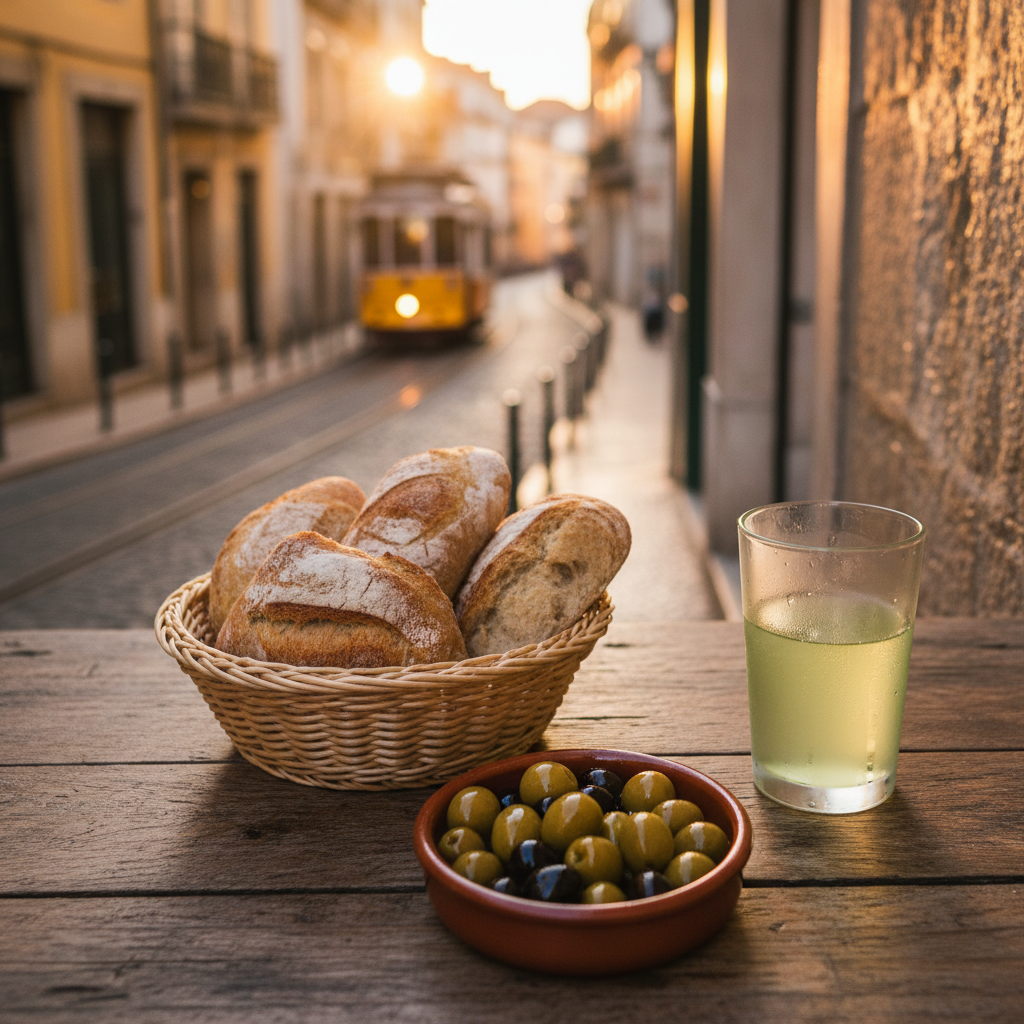
Avoid common mistakes made by first-time visitors to Portugal. Learn about local customs, dining etiquette, and regional geography to ensure a sophisticated and seamless travel experience.
Portugal is currently one of the most sought-after destinations in Europe, praised for its sun-drenched coastlines, historic architecture, and world-class hospitality. However, despite its popularity, many first-time travelers arrive with misconceptions that can lead to missed opportunities or minor frustrations.
Transitioning from a casual traveler to a sophisticated explorer requires a deeper understanding of the local culture and geography. To ensure your first visit is as seamless and enriching as possible, it is essential to look beyond the surface level brochures. Here are ten things first-time visitors to Portugal almost always get wrong, and how you can navigate them like a seasoned traveler.
## 1. Underestimating the Topography of Lisbon Many visitors look at a map of Lisbon and assume that because the distances look short, the city is easily walkable in a traditional sense. What the map fails to show is the dramatic verticality of the "City of Seven Hills."
Lisbon is defined by steep, limestone-paved inclines and descents. Attempting to traverse the city on foot without a strategic plan can be physically exhausting. Furthermore, the iconic *calçada portuguesa* (Portuguese pavement) can be incredibly slippery when even slightly damp. Discerning travelers often find that having a private driver allows them to move between the historic neighborhoods of Alfama, Chiado, and Belém without the physical strain, saving their energy for enjoying the monuments and views.
## 2. Expecting Dinner at 6:00 PM Portugal operates on a Mediterranean clock, especially when it comes to dining. While some tourist-heavy cafes may serve food all day, the premier restaurants and authentic local eateries typically do not open for dinner until 7:00 PM or 7:30 PM.
If you show up at a high-end establishment at 6:00 PM, you will likely find the doors locked or the staff preparing the dining room. Peak dining hours for locals are usually between 8:30 PM and 10:00 PM. Adjusting your internal clock to a later schedule will allow you to experience the true evening ambiance that Portuguese cities are known for.
## 3. Thinking Spanish is the Same as Portuguese The idea that Portuguese is simply a dialect of Spanish is a common and often awkward mistake. While the two languages share linguistic roots and are somewhat mutually intelligible in writing, they sound entirely different.
Attempting to speak Spanish to a local may be understood, but it is often seen as a slight to the country’s distinct cultural identity. Most Portuguese professionals, particularly in the premium service industry, speak excellent English. Learning a few basic Portuguese phrases like *bom dia* (good morning) or *obrigado* (thank you) goes a long way in showing respect for the local heritage.
## 4. Believing the "Couvert" is a Free Gift When you sit down at a restaurant in Portugal, the waiter will often bring a selection of bread, olives, cheese, and sometimes more elaborate snacks like octopus salad or cured ham. This is called the *couvert*.
First-time visitors often assume these are complimentary appetizers. In reality, they are priced individually. If you eat them, you will find them added to your bill. If you do not wish to have them, simply decline politely when they are brought over, or leave them untouched on the table. It is perfectly acceptable and expected.
## 5. Overlooking the Regions Beyond Lisbon and Porto Lisbon and Porto are magnificent, but they are only two facets of a multifaceted country. Many travelers make the mistake of spending their entire holiday in the capital.
The Douro Valley offers some of the most breathtaking river landscapes in the world. The Alentejo region provides a serene, sophisticated escape with its rolling plains and cork trees. Meanwhile, Central Portugal is home to the historic University of Coimbra and the stunning shale villages of the interior. To truly understand Portugal, one must venture into the countryside where the pace of life slows down and the traditions remain untouched.
## 6. Assuming the Weather is Always Tropical Because Portugal is in Southern Europe, there is a common misconception that it is perpetually hot and sunny. While it does enjoy a high number of sunny days, the climate varies significantly by region and season.
The Algarve in the south is generally warmer, but the Atlantic coast can be windy and brisk even in the summer. Northern Portugal, including Porto and the Minho region, can be quite rainy and cool during the autumn and winter months. Even in Lisbon, the evenings can become chilly due to the ocean breeze. Packing layers is essential for any high-end traveler looking to remain comfortable throughout their journey.
## 7. Trying to Do Too Much in One Trip Portugal may look small on a map of Europe, but its density of culture, history, and sights is immense. A frequent error is trying to squeeze Lisbon, Sintra, Cascais, Porto, the Douro Valley, and the Algarve into a one-week itinerary.
This "tame the dragon" approach often results in spending more time in transit than actually experiencing the destination. A more refined way to travel is to focus on one or two regions and explore them deeply. Quality over quantity ensures a more relaxed and memorable experience.
## 8. Misunderstanding the Complexity of Sintra Sintra is often described as a "day trip from Lisbon," which leads many to arrive mid-morning, unprepared for the logistics. The town is home to several major monuments including the Pena Palace, the Moorish Castle, and Quinta da Regaleira.
The geography of Sintra is mountainous, and traffic can be quite restrictive for those without professional transport. Furthermore, the Pena Palace operates on a strict timed entry system. Visitors who arrive without a plan often find themselves waiting in long queues or unable to enter the palaces at their preferred times. It is a location that requires careful timing and an understanding of the local flow.
## 9. Expecting One-Size-Fits-All "Portuguese Cuisine" While codfish (*bacalhau*) is a national staple, Portuguese cuisine is incredibly regional. The seafood in the coastal towns of Nazaré or Cascais is substantially different from the hearty meat stews and cheeses of the inland mountains or the spicy *frango assado* (piri-piri chicken) popular in the south.
Exploring the local specialty of each region is one of the greatest pleasures of visiting. Instead of looking for a generic menu, travelers should inquire about what is fresh and local to that specific area.
## 10. Relying Exclusively on Public Transit or Uber While Lisbon and Porto have good metro systems and ride-sharing services are available, they are not always the best choice for those seeking a premium experience. Public transit can be crowded, especially during the peak season, and ride-sharing drivers may not always have the intimate knowledge of the roads or the high-standard vehicles required for a comfortable journey through the countryside.
For those traveling between cities or exploring the historic villages of the interior, the difference between a standard taxi and a private vehicle with a professional driver is profound. It turns a simple transfer into an opportunity for door-to-door comfort and local insight.
***
### Practical Information for the Discerning Traveler
* **Currency**: The Euro (€) is the official currency. While credit cards are widely accepted in cities and high-end establishments, carrying some cash is advisable for smaller villages. * **Safety**: Portugal is consistently ranked as one of the safest countries in the world, making it an excellent choice for families and solo travelers alike. * **Tipping**: Tipping is not mandatory but is customary for exceptional service in restaurants and for private drivers. Usually, 5 to 10 percent is considered a generous gesture. * **Time Zone**: Portugal follows Western European Time (WET), which is the same as London and one hour behind most of Central Europe.
### A Journey Beyond the Ordinary Navigating a new country is an art form. While these tips will help you avoid the common pitfalls of a first-time visitor, nothing compares to the ease and sophistication of having a dedicated professional assist with your movements across this beautiful land.
Portugal Magik has spent 14 years perfecting the art of the private tour. With an exclusive fleet of Mercedes-Benz vehicles, including E-Class and V-Class models, we are dedicated to discerning international travelers seeking premium experiences. Our English-speaking drivers provide not just transport, but a seamless gateway to the wonders of Portugal, from the cobblestone streets of Lisbon to the terraced vineyards of the Douro.
Speak with our team and discover how to turn this experience into reality. Request your personalized proposal today.