10 Distinctive Rivers in Portugal for Historic Bridges, Scenic Kayaking and Waterside Cafes
By Portugal Magik · Published 2026-11-20
Discover the 10 most beautiful rivers in Portugal, featuring ancient Roman bridges, tranquil kayaking routes, and the best riverside cafes for a premium escape.
Imagine standing on a weathered stone bridge that has stood for eight centuries, watching the morning mist curl off a glass-like river surface. The only sound is the rhythmic dip of a kayak paddle and the distant chime of a village church bell. In Portugal, rivers are not just bodies of water; they are the ancient highways that shaped the nation, carving deep valleys through granite mountains and feeding the lush plains that produce world-class wines.
From the rugged north to the golden south, these waterways offer a different perspective on the Portuguese landscape. Whether you are looking for a quiet spot to sip an espresso while watching the tide or a gentle stretch of water for an afternoon paddle, the country's riverbanks provide some of the most tranquil escapes imaginable. Here are ten distinctive rivers that showcase the beauty, history, and slow-paced charm of the Portuguese interior.
## The Mighty Douro River
The Douro is perhaps the most famous river in the country, known globally for the terraced vineyards that cling to its steep banks. As the water snakes through the valley, the light reflects off the schist slopes, creating a shimmering golden hue during the late afternoon. It is a place where the air smells of sun-warmed earth and ripening grapes, especially during the autumn harvest season.
Visitors often flock to the town of Pinhão, where the riverfront is lined with traditional wooden rabelo boats. The riverside cafes here offer a perfect vantage point to watch the slow movement of the water against the backdrop of world-class estates. It is a region where time seems to slow down, dictated by the pace of the river and the seasons of the vine.
## The Serene Mondego River
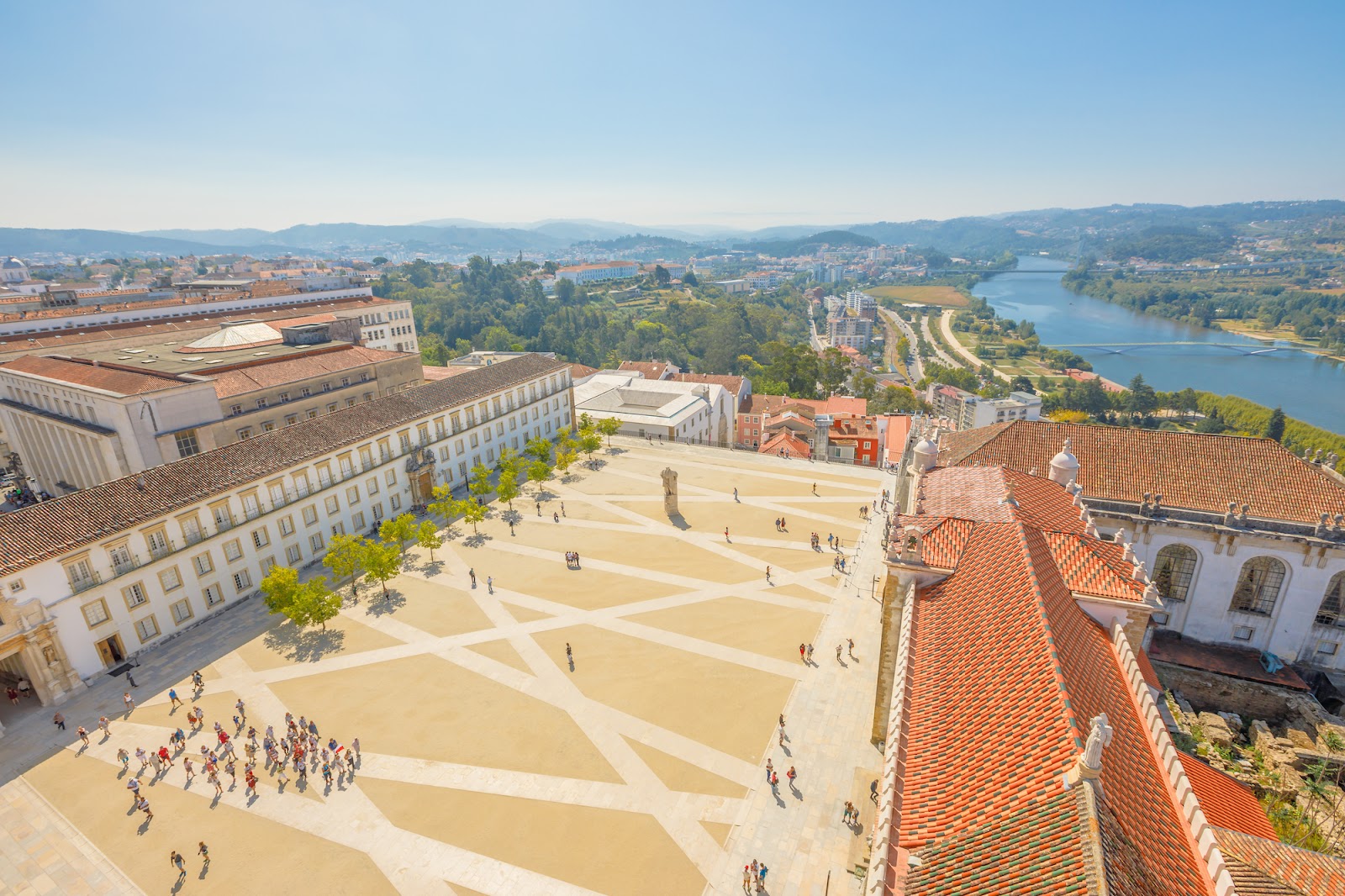
Flowing through the heart of the country, the Mondego is the longest river that stays entirely within Portuguese borders. In the historic city of Coimbra, the river serves as a mirror for the university's grand buildings perched on the hilltop above. The atmosphere here is one of academic tradition mixed with the soft, melancholic sounds of Fado drifting from the nearby narrow streets.
Further upstream near Penacova, the Mondego transforms into a playground for nature lovers. This stretch is famous for gentle kayaking trips through lush green valleys where the water is clear and the banks are shaded by weeping willows. It is a peaceful experience, perfect for those who want to feel the cool breeze off the water while navigating the gentle bends of the river.
## The Historic Tejo (Tagus) River
The Tejo is the grandest of all, entering the Atlantic at Lisbon after a long journey from Spain. At the river's mouth, the salt air mixes with the scent of freshly baked pastries, and the light is famously bright, reflecting off the white limestone pavements. The river here is wide and majestic, framed by the iconic 25 de Abril Bridge and the historic towers of Belém.
Traveling inland toward Santarém, the Tejo takes on a more rural character. The banks are dotted with traditional fishing villages and the stunning Almourol Castle, which sits on a rocky islet in the middle of the stream. Seeing the medieval stone walls of the castle rising out of the water at sunset is one of the most evocative sights in all of Portugal.
## The Wild Paiva River
Hidden in the north near Arouca, the Paiva River is a dramatic contrast to the wider, slower rivers of the south. This is a place of rushing white water, deep granite canyons, and pristine nature. The sound of the river is constant here, a powerful roar that echoes through the valley, especially after the winter rains.
The Paiva is home to one of the most impressive wooden walkways in Europe, which follows the river's path for several miles. Walking along these heights, you can look down into turquoise pools and see adventurous travelers navigating the rapids below. It is a destination for those who appreciate the raw, untamed side of the Portuguese landscape.
## The Charming Lima River
In the far north, the Lima River is steeped in ancient legends. The Romans once believed this was the River Lethe, the river of forgetfulness, because its beauty was so overwhelming they feared they would lose their memories if they crossed it. Today, the river remains just as enchanting, particularly as it flows past the town of Ponte de Lima.
The town is famous for its long medieval bridge, featuring both Roman and Gothic arches that stretch across the wide, shallow riverbed. The banks are meticulously landscaped with gardens and rows of plane trees, making it an ideal spot for a long stroll. On market days, the riverfront becomes a bustling hub of local life, filled with the sounds of friendly bartering and the aroma of local sausages and bread.
## The Translucent Zêzere River
The Zêzere is a river of incredible colors, winding through the rugged Serra da Estrela mountains. In its upper reaches, the river carves through a dramatic glacial valley, while further south it widens into the massive Castelo do Bode reservoir. The water is often a deep, clear blue, surrounded by dense pine and eucalyptus forests that fill the air with a fresh, medicinal scent.
One of the most picturesque spots is the village of Dornes, situated on a peninsula that juts into a bend of the river. The village is crowned by a rare pentagonal Templar tower, and the views over the surrounding hills are breathtaking. It is a quiet, contemplative place where the only ripples on the water come from small fishing boats or the occasional kayak.
## The Border-Sharing Minho River
The Minho forms the natural northern border between Portugal and Spain, a wide and peaceful waterway that has seen centuries of history. The fortresses on either side of the river, like those in Valença and Monção, stand as silent witnesses to past conflicts. Now, however, the river is a symbol of connection, with bridges and small ferries linking the two nations.
Kayaking on the Minho is a unique experience, as you can literally paddle between two countries. The banks are lush and green, often shrouded in a light Atlantic mist that gives the landscape a soft, ethereal quality. After a morning on the water, the riverside cafes in the historic fortified towns offer the perfect spot to enjoy a glass of crisp Alvarinho wine, which is produced in the surrounding hills.
## The Gentle Sado River
Moving toward the Alentejo region, the Sado River creates a vast estuary near the city of Setúbal. This is a landscape of salt pans, rice paddies, and sand dunes. The air here smells of salt and marshland, and the river is home to a unique resident population of bottlenose dolphins that can often be spotted playing in the waves.
The southern bank of the Sado, near the village of Carrasqueira, is famous for its traditional palafitte pier. This zigzagging wooden structure, built on stilts over the mudflats, is a masterpiece of folk architecture. It is a favorite spot for photographers, especially at low tide when the setting sun turns the wet mud and narrow channels into a mosaic of gold and purple.
## The Remote Guadiana River
In the far southeast, the Guadiana River serves as the border with Spain as it flows toward the Algarve coast. This is a dry, sun-drenched region where the river is a vital ribbon of life. The landscape is dotted with whitewashed villages like Alcoutim, where the pace of life is dictated by the heat of the afternoon sun and the slow flow of the tide.
The Guadiana is deep and navigable, making it popular for scenic boat trips that reveal a rugged, sparsely populated interior. The hills are covered in rockrose and olive trees, and the silence is only broken by the occasional call of a bird of prey. Sitting at a cafe in Alcoutim, looking across the narrow stretch of water to the Spanish village of Sanlúcar de Guadiana, you feel worlds away from the busy coastal resorts.
## The Picturesque Aveiro Lagoon (Vouga River)
While technically a lagoon formed by the mouth of the Vouga River, the waterways of Aveiro are essential to the Portuguese river experience. Often called the Venice of Portugal, the city is crisscrossed by canals where brightly painted moliceiro boats glide along. These boats, once used to harvest seaweed, are now the iconic symbol of the city.
The atmosphere in Aveiro is vibrant and salty. The canals are lined with Art Nouveau buildings and cafes where you can sample the famous ovos moles, a sweet egg-yolk pastry. Exploring the quieter channels away from the center reveals a labyrinth of salt marshes and small bridges, where the water is still and the sky seems to stretch on forever.
## Practical Tips for River Explorers
When planning a visit to these waterways, keep in mind that the experience changes significantly with the seasons. Spring is often the most beautiful time, as the banks are in full bloom and the water levels are high. Summer is perfect for kayaking and river beaches, though the popular spots can be busier during the August holidays.
Many of these locations are best reached by car, as they are tucked away in rural valleys or historic towns with limited train access. Having a dedicated driver allows you to focus on the scenery rather than navigating narrow winding roads. It also gives you the flexibility to stop at a roadside viewpoint or a hidden riverside cafe whenever the mood strikes.
The rivers of Portugal offer a sense of continuity and peace that is hard to find in the bustling modern world. They invite you to slow down, to appreciate the craftsmanship of a Roman bridge, and to enjoy the simple pleasure of a cold drink by the water's edge.
Whether you are drawn to the dramatic canyons of the north or the sun-baked estuaries of the south, there is a river in Portugal waiting to tell you its story.
Speak with our team and discover how to turn this experience into reality.