10 Distinctive Rivers in Portugal for Dramatic Canyons, Quiet Valleys and Waterside Walks
By Portugal Magik · Published 2026-11-19
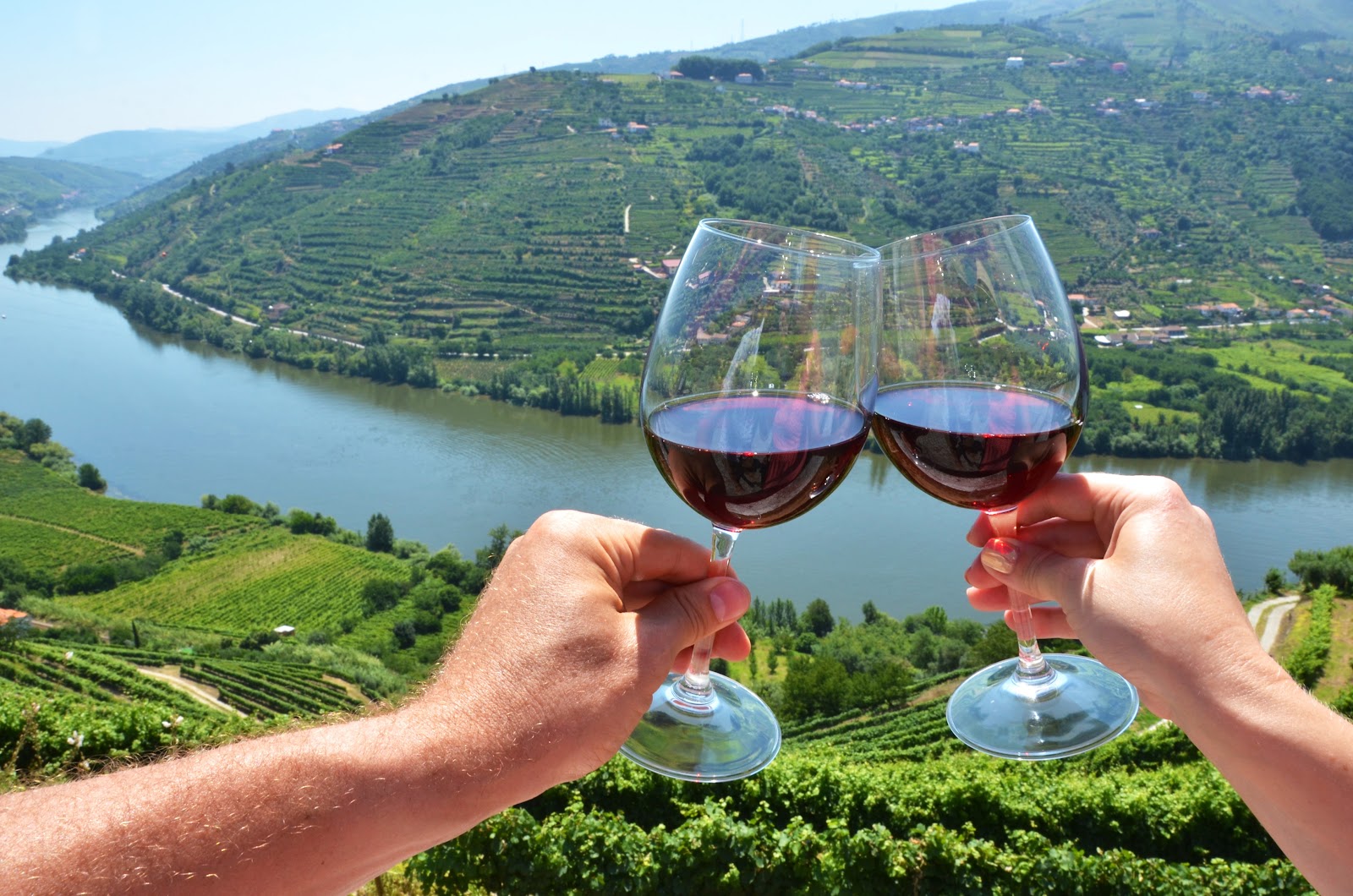
Discover the 10 most breathtaking rivers in Portugal, from the dramatic canyons of the Douro to the quiet, ancient valleys of the Zêzere and Guadiana.
Imagine standing on a granite ledge high above a ribbon of turquoise water, where the only sound is the wind whistling through ancient juniper trees and the distant cry of a golden eagle. The air smells of sun-baked rock and wild rosemary. In Portugal, the rivers are more than just water sources; they are the architects of the landscape, carving deep gashes through mountain ranges and creating lush, hidden sanctuaries where time seems to have slowed to a crawl centuries ago.
From the rugged canyons of the north to the serene, bird-filled estuaries of the south, these waterways offer a different perspective on the country. Away from the coastal crowds, you find a world of quiet valleys, dramatic cliffs, and gentle paths that hug the water’s edge. Exploring these rivers allows you to see the raw, natural beauty that has shaped Portuguese history and culture.
## The Mighty North: Canyons and Granite Peaks
The northern half of the country is home to some of the most dramatic river scenery in Europe. Here, the water has fought a long battle against hard stone, resulting in breathtaking gorges and high-altitude valleys.
### 1. The Douro River The Douro is perhaps the most famous river in Portugal, known globally for the terraced vineyards that climb its steep banks. In the heart of the Douro Valley, the light reflects off the water and the schist soil, creating a shimmering gold effect at sunset. While the lower reaches are famous for wine, the upper section near the border features soaring cliffs where rare vultures nest. It is a place where the human hand and nature have worked together to create a UNESCO World Heritage landscape that feels both monumental and intimate.
### 2. The Paiva River Located near Arouca, the Paiva River is celebrated for its crystal-clear waters and the dramatic valley it has carved through the hills. The area is famous for its wooden walkways that cling to the side of the cliffs, allowing you to walk high above the rushing rapids. You can hear the roar of the water echoing off the canyon walls while surrounded by dense green forests. The air here is remarkably fresh, and the geological formations, including the famous "pedras parideiras" or birthing stones nearby, add a sense of wonder to every step.
### 3. The Tua River A major tributary of the Douro, the Tua River offers a more rugged and secluded experience. The Tua Valley is a place of deep silence and stark beauty, where the train tracks once hugged the water in one of the most scenic rail journeys in the country. Today, the landscape remains a haven for those seeking solitude. The valley is characterized by massive granite boulders and Mediterranean vegetation, providing a dramatic backdrop for a slow drive or a thoughtful walk along its quieter stretches.
## The Central Heartland: Glaciers and Quiet Valleys
Moving into the center of Portugal, the rivers soften slightly, though they still hold secrets of a glacial past and provide life to some of the country’s most charming stone villages.
### 4. The Zêzere River The Zêzere begins its journey in the high peaks of the Serra da Estrela, Portugal's highest mountain range on the mainland. In its upper reaches, it flows through a spectacular glacial valley, one of the largest in Europe, where the U-shaped landscape tells the story of the ice age. As it descends, the river becomes calmer, winding through the "Schist Villages" where the water provides a cool contrast to the dark stone houses. The sound of the river is a constant companion in these valleys, a gentle background hum to a rural way of life.
### 5. The Mondego River The Mondego is the longest river that runs entirely within Portuguese territory, and it holds a special place in the national heart. Near Coimbra, the river is wide and poetic, but further upstream, it passes through the Livraria do Mondego. These are vertical rock formations that look like giant books stacked on a shelf. The atmosphere here is academic and serene, with willow trees dipping their branches into the slow-moving current and traditional flat-bottomed boats occasionally gliding past.
### 6. The Côa River The Côa River valley is a place where nature and prehistoric art collide. This river flows through a dry, rugged landscape in the northeast, characterized by almond trees and olive groves. The valley is most famous for its open-air Paleolithic rock art, but the river itself is a marvel of quiet persistence. Walking along its banks, you feel the weight of millennia. The scent of wild broom and the sight of the sun setting over the jagged hills create a powerful, atmospheric experience that feels disconnected from the modern world.
## The Borderlands and the South: Grand Gorges and Gentle Flows
In the eastern borderlands and down toward the southern plains, the rivers define the boundary between nations and offer sanctuary to diverse wildlife.
### 7. The Tejo (Tagus) River The Tejo is the longest river on the Iberian Peninsula, entering Portugal through a series of dramatic international gorges. Near the border town of Vila Velha de Ródão, the river passes through the "Portas de Ródão," a massive natural gateway created by two towering quartz cliffs. Thousands of birds, including colonies of griffon vultures, soar above the water here. The scale of the landscape is humbling, reminding visitors of the geological forces that shaped the peninsula over millions of years.
### 8. The Guadiana River The Guadiana serves as a natural border between Portugal and Spain in the south, flowing through the rolling plains of the Alentejo. Near the town of Mértola, the river sits at the bottom of a deep valley, overlooked by an ancient Moorish castle. The water here is deep and dark, and the landscape is one of sun-drenched hills and white-washed villages. It is a quiet, contemplative river where the pace of life is dictated by the heat of the day and the cool of the evening breeze.
### 9. The Sever River Tucked away in the Serra de São Mamede Natural Park, the Sever River is a hidden gem of the Alentejo. It creates a lush, green microclimate in an otherwise arid region. The river passes through the medieval village of Marvão, where the granite cliffs provide a dramatic pedestal for one of the most beautiful castles in the country. The sound of the water trickling over stones and the sight of ancient Roman bridges create a fairytale atmosphere that is perfect for a gentle afternoon of exploration.
### 10. The Arade River The Arade River in the Algarve offers a different kind of waterside experience. Before it reaches the Atlantic, it winds through the historic city of Silves and stretches across salt marshes and quiet valleys. The river was once the main highway for the Moors who ruled the region, and today, its banks are home to storks and flamingos. The air smells of salt and citrus blossoms from the nearby groves, offering a peaceful, pastoral side of the Algarve that many visitors never see.
## Planning Your River Exploration
Exploring the rivers of Portugal requires a bit of planning, as many of the most dramatic spots are tucked away in rural areas. While the major cities offer riverfront walks, the true magic lies in the canyons and valleys of the interior.
If you are planning to walk the river paths, such as the Paiva Walkways, it is essential to check local conditions and requirements. Many of these areas are protected natural parks, and some may require advance registration to help preserve the environment. For those who prefer to see the sights from the comfort of a vehicle, many of the river valleys are flanked by winding scenic roads that offer spectacular viewpoints.
The best time to visit these rivers is during the spring, when the water levels are high, the wildflowers are in bloom, and the temperatures are mild. Autumn is also a wonderful choice, especially in the Douro and Zêzere valleys, when the changing leaves turn the hillsides into a patchwork of gold, orange, and deep red.
## Discover the Heart of Portugal
Seeing Portugal’s rivers is about more than just a view; it is about feeling the pulse of the landscape. Whether you are gazing up at the sheer cliffs of the Tejo or watching the sun sparkle on the Mondego, these waterways offer a sense of peace and a connection to the natural world that is hard to find elsewhere.
To truly experience these hidden valleys and dramatic canyons without the stress of navigating rural roads or managing logistics, a private driver-guide is the ideal choice. Traveling in a premium Mercedes-Benz vehicle allows you to focus entirely on the scenery while a professional ensures your journey is smooth and comfortable.
Speak with our team and discover how to turn this experience into reality.