10 Castles to Visit in Portugal
By Portugal Magik · Published 2026-10-06
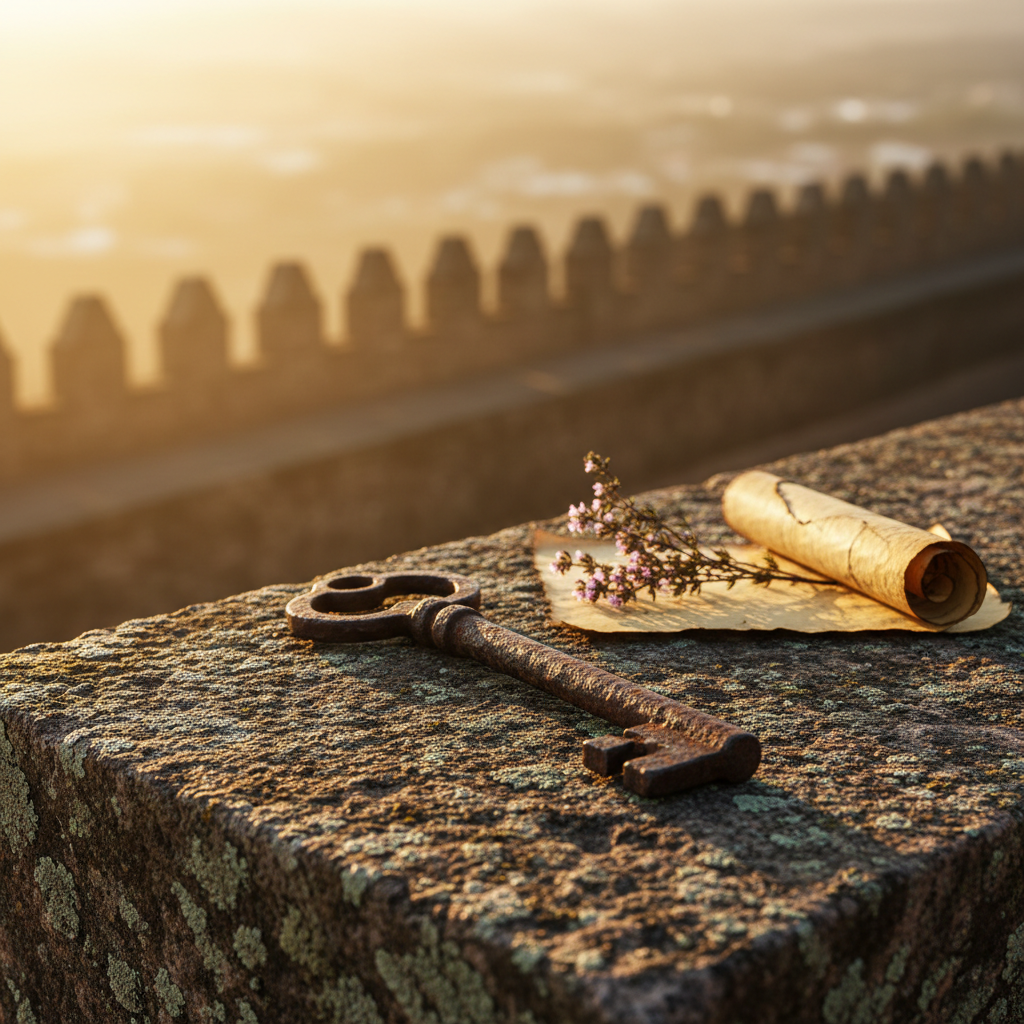
Explore 10 of Portugal's most stunning castles, from the Templar strongholds to Moorish fortresses, and learn how to visit them in comfort.
Portugal is a land where history is etched into the stone of its fortresses. From the northern border with Spain down to the sunny cliffs of the Algarve, the skyline is often dominated by the jagged silhouettes of medieval battlements. These structures are not just monuments. They are the silent witnesses to the birth of a nation, the Reconquista, and the Age of Discovery.
Exploring these sites offers a window into the past, where you can walk the same ramparts as kings and knights. Here are 10 remarkable castles to visit across Portugal, each offering a unique glimpse into the country's heritage.
## 1. Guimarães Castle (Castelo de Guimarães) Located in the northern city of Guimarães, this castle is often called the cradle of Portugal. It was here that Afonso Henriques, the first King of Portugal, was born in the 12th century. The castle was built to defend the local monastery from Viking and Moorish attacks.
Today, visitors can walk along the narrow walls and climb the central keep, known as the Torre de Menagem. The square towers and granite walls remain remarkably well preserved. Standing on the ramparts, you look out over the historical center, which is a UNESCO World Heritage site. It is a place of deep national pride and a essential starting point for any history lover.
## 2. Castle of the Moors (Castelo dos Mouros), Sintra Perched high on a ridge above the town of Sintra, the Castle of the Moors feels like something out of a storybook. Unlike the ornate palaces nearby, this is a rugged, military fortification built by the Moors in the 8th and 9th centuries.
The walls snake across the hills, following the natural contours of the massive boulders. Climbing the stairs to the highest point, the Royal Tower, provides one of the most breathtaking views in the country. On a clear day, you can see the Atlantic Ocean and the colorful Pena Palace on the neighboring peak. The wind can be strong here, adding to the dramatic atmosphere of this ancient outpost.
## 3. Almourol Castle (Castelo de Almourol) Situated on a small, rocky island in the middle of the Tagus River, Almourol is perhaps the most picturesque castle in Portugal. Its location in the Ribatejo region makes it look like a mirage rising from the water.
This was a stronghold for the Knights Templar during the 12th century. To reach the castle, visitors must take a short boat ride from the riverbank. Once inside, the compact interior and high walls tell a story of medieval defense and military strategy. Its reflection in the calm waters of the river makes it a favorite for photographers and those who appreciate architectural harmony with nature.
## 4. Óbidos Castle (Castelo de Óbidos) The town of Óbidos is famous for being the traditional gift from Portuguese kings to their queens. The castle itself, which now houses a high-end pousada (historic hotel), sits at the highest point of the village.
While you may not be able to enter every part of the castle interior due to its use as a hotel, the main attraction is the ability to walk the entire perimeter of the village on the castle walls. The walk offers a bird's-eye view of the white washed houses with blue and yellow trim and the narrow cobblestone streets below. The fortification is a perfect example of a medieval town that has successfully preserved its ancient character.
## 5. Tomar Castle and the Convent of Christ While the Convent of Christ is the primary draw in Tomar, it is built within the walls of a massive Templar castle. Founded in 1160 by Gualdim Pais, the Grand Master of the Templars, this site was the headquarters of the order in Portugal.
The castle walls enclose a vast area that includes the famous Charola, a round church modeled after the Holy Sepulchre in Jerusalem. The military architecture here is fascinating, featuring some of the first rounded towers in Portugal, which were more resistant to siege engines. It is a site where military history and religious art collide in a truly monumental way.
## 6. Marvão Castle (Castelo de Marvão) In the Alentejo region, near the Spanish border, lies the village of Marvão. The castle is perched on a high granite crag over 800 meters above sea level. It was once described as a place where one could see the backs of birds as they fly.
The fortification is incredibly well integrated into the landscape. Its walls enclose a beautiful garden and a massive cistern that was designed to keep the garrison supplied with water during long sieges. The silence and the vast views over the Alentejo plains and the mountains of Spain make Marvão one of the most peaceful and evocative sites in the country.
## 7. Monsaraz Castle (Castelo de Monsaraz) Monsaraz is another Alentejo gem, sitting atop a hill overlooking the Alqueva reservoir, one of the largest artificial lakes in Europe. The castle is made of local schist and granite, giving it a dark, weathered appearance that contrasts with the white houses of the village.
The castle courtyard is unique because it is still used as a public square and occasionally as an arena for local festivities. Walking the walls here at sunset is a memorable experience, as the golden light hits the water of the reservoir and the olive groves below. It is a quiet, atmospheric place that feels far removed from the modern world.
## 8. Santa Maria da Feira Castle Located in the north, not far from Porto, this castle looks like something from a fantasy film with its distinctive conical towers. It is considered one of the best examples of Portuguese medieval military architecture because it incorporates various styles from the 11th to the 16th centuries.
The castle was a key defensive point between the north and the south of the country. Every year in summer, the surrounding grounds host one of the largest medieval fairs in Europe, though the castle is a fascinating visit at any time of year. Its interior features a beautiful parade ground and well preserved fireplaces in the former residential areas.
## 9. Beja Castle (Castelo de Beja) The Castle of Beja is famous for its striking marble keep, the Torre de Menagem. At 40 meters high, it is one of the tallest medieval towers in the Iberian Peninsula. Climbing the spiral staircase to the top is a workout, but the reward is a panoramic view of the vast plains of the Baixo Alentejo.
The tower is a masterpiece of Gothic architecture, featuring ornate windows and battlements that were intended to show off the power and wealth of the monarchy. The castle sits on the site of earlier Roman and Moorish fortifications, layered with centuries of history.
## 10. Silves Castle (Castelo de Silves) In the southern region of the Algarve, Silves Castle stands as the most important monument to the Islamic period in Portugal. Built with red sandstone (grés de Silves), the castle glows with a deep ochre hue, especially in the late afternoon.
Unlike many other Portuguese castles that were heavily remodeled in the Gothic style, Silves retains much of its Moorish character. Visitors can explore the massive underground cisterns, which are so large they were once said to provide enough water for the entire city for a year. The views from the walls look out over the Arade River and the surrounding orange groves, offering a different perspective on the Algarve away from the beach resorts.
## Practical Tips for Your Visit When planning a journey through Portugal's castles, it is helpful to keep a few things in mind to make the most of the experience.
* **Footwear:** Most castles involve steep climbs, uneven stone steps, and gravel paths. Sturdy, comfortable walking shoes are a must. * **Accessibility:** Due to their historic nature and locations on high ridges, many castles have limited accessibility for those with mobility challenges. * **Weather:** In the Alentejo and Algarve, summer temperatures can be very high. It is best to visit these fortifications in the early morning or late afternoon. Conversely, Sintra can be quite misty and cool, so a light jacket is often useful. * **Official Information:** Opening hours and access can change for maintenance or events. It is always wise to check the official municipal or monument websites before setting out.
## Why Explore with a Private Driver? Portugal is a diverse territory, and many of these castles are located in rural or hilltop areas that are not easily reached by public transport. A train might get you to the town, but the climb to the fortress can be taxing, and moving between regions like the Alentejo and the Centro region requires a lot of logistical planning.
Using a private driver service allows you to bridge the gap between these historic sites with ease. You can travel from the lush forests of Sintra to the golden plains of the Alentejo in the comfort of a climate controlled Mercedes-Benz vehicle. This flexibility means you can spend as much time as you like at a specific castle without worrying about bus schedules or finding parking in narrow medieval streets.
Portugal Magik has spent 14 years helping international travelers discover these stone giants. With a professional English-speaking driver to handle the navigation and logistics, you are free to immerse yourself in the stories of the knights and kings who shaped this land.
Whether you want to see the birthplace of the nation in the north or the red walls of the Moorish south, the castles of Portugal are waiting to be explored.
Speak with our team and discover how to turn this experience into reality.